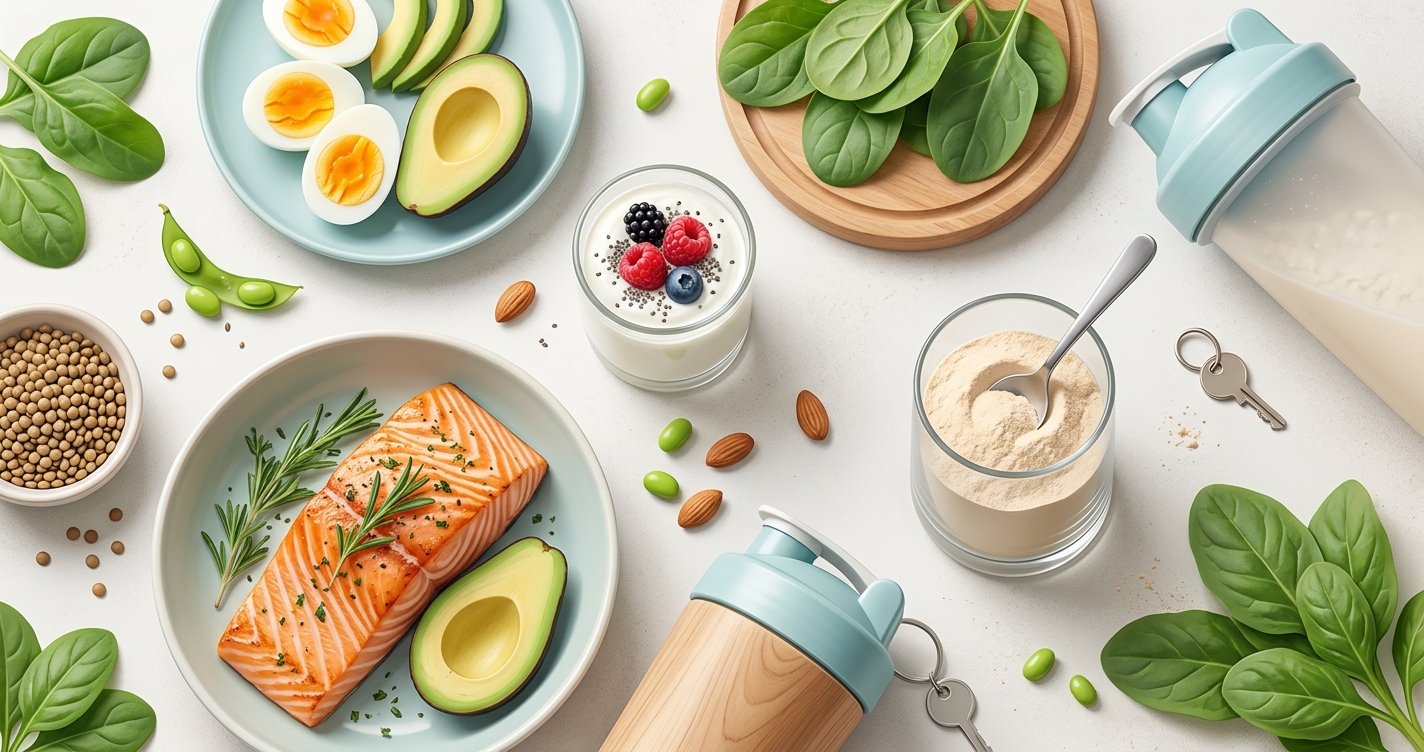
Unlock Your Fat Loss Potential: Why Protein is Your Secret Weapon
Are you tired of the endless cycle of crash diets, fleeting results, and feeling perpetually hungry? If you've been on a fat loss journey, you've probably heard a lot about cutting carbs, slashing fats, or even extreme calorie restriction. But what if there was one powerful nutrient that could make your journey not just more effective, but also more sustainable, satisfying, and even help you build a stronger, healthier body?
Enter protein – the unsung hero of fat loss. Often overshadowed by other macronutrients, protein plays a critical, multifaceted role in helping you shed unwanted fat, maintain precious muscle, and keep those hunger pangs at bay. It's not just for bodybuilders; it's for anyone serious about achieving lasting results and feeling their best. In this evidence-based guide, we’ll dive deep into why protein is your ultimate secret weapon for unlocking your fat loss potential, backed by science and packed with practical tips. this excellent wellness product
Why Protein is Your Best Friend for Fat Loss
Protein isn't just a building block for muscle; it's a metabolic marvel that can significantly impact your body's ability to burn fat. Here’s how it works its magic:
The Satiety Secret: Feeling Fuller, Longer
One of the biggest challenges in any fat loss plan is managing hunger. Cravings and a rumbling stomach can quickly derail even the most determined efforts. This is where protein truly shines. Protein is by far the most satiating macronutrient, meaning it helps you feel full and satisfied for longer compared to carbohydrates or fats.
Scientific studies consistently show that higher protein intake leads to reduced appetite and fewer cravings. This is partly due to its impact on hunger-regulating hormones like ghrelin (the hunger hormone) and GLP-1 (which promotes fullness). When you feel satisfied, you're less likely to overeat, snack unnecessarily, and ultimately, you make better food choices throughout the day. Imagine going through your day without constant thoughts of food – that’s the power of protein!
Boosting Your Metabolism: The Thermic Effect of Food (TEF)
Did you know your body actually burns calories just to digest, absorb, and process the food you eat? This phenomenon is called the Thermic Effect of Food (TEF), and protein has the highest TEF of all macronutrients. While carbohydrates have a TEF of 5-10% and fats 0-3%, protein boasts a TEF of 20-30%. This means that for every 100 calories of protein you consume, your body uses 20-30 calories just to process it!
While this might seem like a small amount, it adds up over the course of a day, week, and month, contributing to a higher overall daily calorie expenditure. In essence, eating protein can give your metabolism a slight, but significant, boost, helping you burn more calories around the clock – even at rest.
Preserving Precious Muscle Mass
When you're in a calorie deficit (eating fewer calories than you burn) to lose fat, your body can sometimes break down muscle tissue for energy, alongside fat. This is a major problem for several reasons:
- Metabolic Slowdown: Muscle is metabolically active tissue, meaning it burns more calories at rest than fat does. Losing muscle can slow down your metabolism, making future fat loss harder and increasing the likelihood of weight regain.
- Strength and Function: Less muscle means less strength and poorer physical function, impacting your daily life and exercise performance.
- Body Composition: Your goal is likely fat loss, not just weight loss. Preserving muscle ensures you look leaner, more toned, and healthier as you shed pounds.
Adequate protein intake is crucial for signaling your body to hold onto muscle mass during a fat loss phase. It provides the essential amino acids needed for muscle repair and synthesis, effectively telling your body, "Keep this muscle, we need it!" Combine this with strength training, and you have a powerful duo for optimizing body composition.
How Much Protein Do You Really Need?
So, if protein is so important, how much should you be aiming for? While general dietary guidelines suggest around 0.8 grams of protein per kilogram of body weight for sedentary adults, those aiming for fat loss, especially active individuals, will benefit from significantly more.
Research suggests that for optimal fat loss and muscle preservation, a daily intake of 1.6 to 2.2 grams of protein per kilogram of body weight (or approximately 0.7 to 1 gram per pound of body weight) is ideal. For example, if you weigh 70 kg (about 154 lbs), you'd be aiming for roughly 112-154 grams of protein per day.
It's also beneficial to distribute your protein intake throughout the day, rather than consuming a large amount in one meal. Aim for 20-40 grams of protein per meal, and include protein in your snacks.
Smart Strategies to Power Up Your Protein Intake
Incorporating more protein into your diet doesn't have to be complicated or bland. Here are some actionable strategies:
Prioritize Protein at Every Meal
Start your day strong! Instead of just toast or cereal, opt for Greek yogurt with berries, scrambled eggs with veggies, or a protein smoothie. For lunch and dinner, make lean protein sources the centerpiece of your plate. Think chicken breast, fish, lean beef, turkey, tofu, or legumes.
- Breakfast Ideas: Eggs (scrambled, omelet, hard-boiled), Greek yogurt, cottage cheese, protein powder in oatmeal or smoothie.
- Lunch & Dinner Ideas: Grilled chicken salad, baked salmon with roasted vegetables, lentil soup, lean ground turkey stir-fry, bean burritos.
Smart Snacking Choices
Forget carb-heavy snacks that leave you hungry again quickly. Choose protein-rich options to bridge the gap between meals and keep hunger at bay.
- Hard-boiled eggs
- A handful of almonds or other nuts
- Cottage cheese or Greek yogurt
- Edamame
- Turkey slices or beef jerky (low-sodium)
- Protein bar (check sugar content)
Don't Forget Plant-Based Power!
You don't need to eat meat to get enough protein. Plant-based sources are abundant and can be incredibly healthy. Combine different plant proteins to ensure you're getting all essential amino acids.
- Lentils, chickpeas, black beans, kidney beans
- Tofu, tempeh, edamame
- Quinoa, buckwheat
- Nuts and seeds (almonds, walnuts, chia seeds, flax seeds, pumpkin seeds)
- Seitan (wheat gluten)
- Plant-based protein powders (pea, rice, soy)
The Role of Supplements (When Needed)
While whole foods should always be your primary source of nutrition, protein supplements like whey, casein, or plant-based protein powders can be a convenient and effective way to meet your daily protein targets, especially if you have high needs or a busy lifestyle. They are particularly useful post-workout for muscle recovery.
Debunking Protein Myths and Misconceptions
Despite its benefits, protein often gets a bad rap due to lingering myths. Let's set the record straight:
- "Too much protein is bad for your kidneys." For healthy individuals with normal kidney function, there is no scientific evidence to suggest that a high-protein diet causes kidney damage. In fact, studies show high protein intake is safe and beneficial. However, if you have pre-existing kidney disease, consult your doctor or a registered dietitian.
- "Protein makes you bulky." This is a common concern, especially among women. Eating protein alone does not make you bulky. Building significant muscle mass requires a specific training regimen (heavy resistance training) and often a calorie surplus, not just protein intake. Protein helps build and repair muscle, leading to a toned, lean physique, not necessarily a bulky one.
Beyond Protein: A Holistic Approach to Sustainable Fat Loss
While protein is a superstar, it’s important to remember that it's part of a larger picture. For truly sustainable fat loss and overall health, consider these other crucial elements:
- Calorie Deficit: You still need to consume slightly fewer calories than you burn to lose fat. Protein helps make this deficit easier to manage.
- Strength Training: This is vital for building and preserving muscle mass, which works synergistically with protein intake.
- Adequate Sleep: Poor sleep can disrupt hormones that regulate hunger and fat storage, making fat loss more challenging.
- Stress Management: Chronic stress can elevate cortisol, a hormone that can promote belly fat storage.
- Hydration: Drinking enough water supports metabolism and can help manage hunger.
Embrace the Power of Protein!
Ditching the restrictive, unsatisfying diets of the past and embracing protein as your fat loss ally can be a game-changer. By prioritizing this powerful macronutrient, you’ll not only feel fuller and more satisfied but also boost your metabolism, protect your hard-earned muscle, and build a stronger, healthier foundation for lasting results.
Ready to transform your fat loss journey? Start by mindfully increasing your protein intake at each meal, choosing smart protein-rich snacks, and watching your body respond with renewed energy and a leaner physique. Your secret weapon awaits!