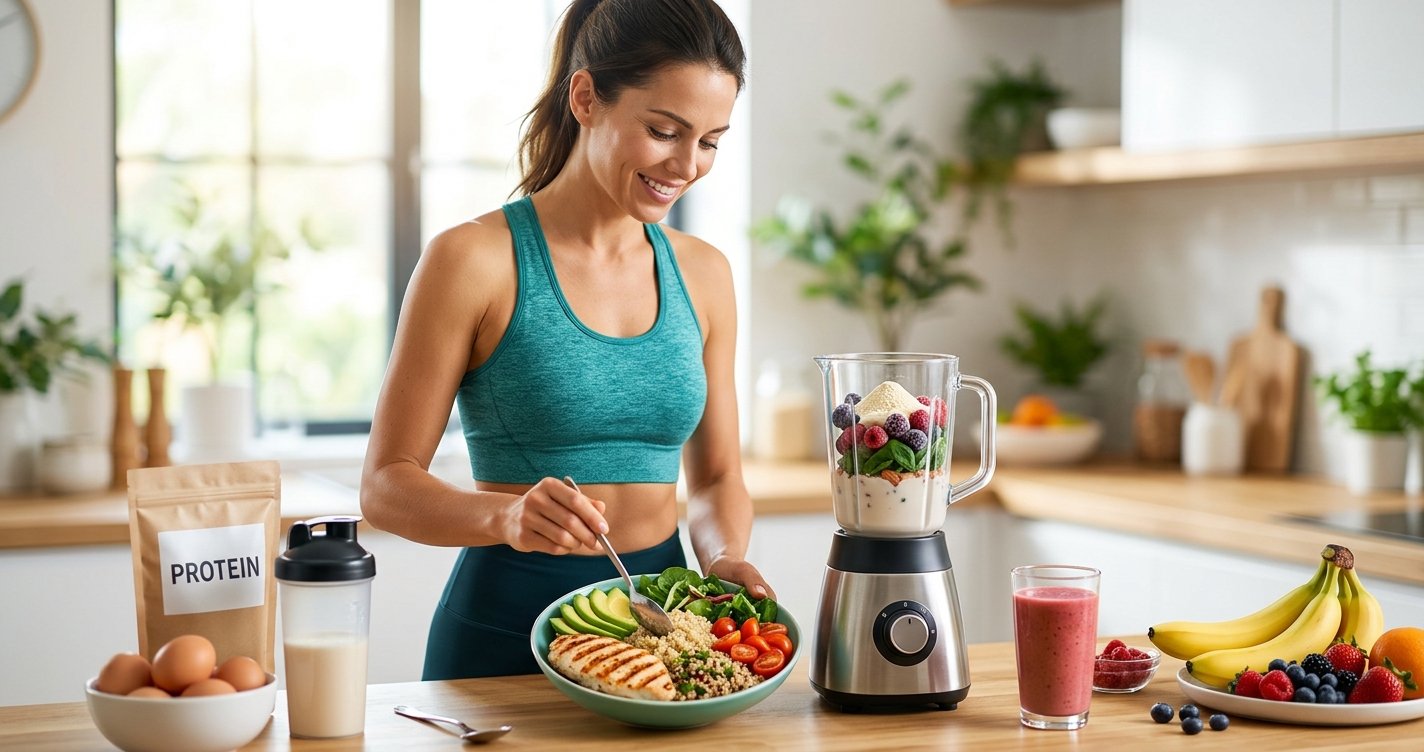
Tired of yo-yo dieting? Discover how protein can be your secret weapon for sustainable fat loss, backed by science and designed for real life.
Have you ever felt like you're constantly battling your cravings, struggling to feel full, or losing muscle instead of fat when you try to diet? You're not alone. The world of fat loss can be confusing, filled with quick fixes and fads that promise the moon but deliver disappointment. But what if there was a simple, powerful, and scientifically proven nutrient that could make your fat loss journey not just easier, but also more effective and sustainable?
Enter protein, your ultimate ally in the quest for lasting fat loss. Far from being just for bodybuilders, protein is a macronutrient vital for everyone, and its role in managing weight and body composition is nothing short of revolutionary. In this friendly, evidence-based guide, we're going to dive deep into why protein is so crucial, how much you truly need, and practical ways to effortlessly incorporate more of it into your daily life. Get ready to transform your approach to fat loss! this excellent wellness product
Why Protein is Your Ultimate Fat Loss Ally
When it comes to shedding unwanted body fat and maintaining a lean physique, protein stands head and shoulders above other macronutrients. It's not just about building muscles; protein plays several critical roles that directly impact your ability to lose fat effectively and keep it off.
Satiety: Feeling Fuller, Longer
One of the biggest challenges in any fat loss journey is managing hunger and cravings. This is where protein shines! Numerous studies show that protein is the most satiating macronutrient, meaning it helps you feel fuller for longer periods compared to carbohydrates or fats. How does it work?
- Hormonal Response: Protein intake influences the release of gut hormones like PYY and GLP-1, which signal fullness to your brain, while simultaneously reducing ghrelin, the 'hunger hormone'.
- Reduced Snacking: By keeping you satisfied, protein naturally reduces your urge to snack between meals, cutting down on unnecessary calorie intake.
- Better Meal Control: When you start your day with a high-protein breakfast, you're less likely to overeat at lunch or dinner, setting a positive tone for your entire day's eating habits.
Imagine going through your day feeling genuinely satisfied, not deprived. That's the power of protein in action, making adherence to a calorie-controlled diet much more manageable.
The Thermic Effect of Food (TEF): Burning More Calories
Did you know that your body expends energy just to digest, absorb, and metabolize the food you eat? This is known as the Thermic Effect of Food (TEF), and protein has the highest TEF of all macronutrients.
- Higher Energy Expenditure: Roughly 20-30% of the calories from protein are burned off during digestion, compared to 5-10% for carbohydrates and 0-3% for fats.
- Metabolic Boost: This means that for every 100 calories of protein you consume, your body uses 20-30 of those calories just to process it. While this might seem small on a per-meal basis, it adds up over time, contributing to a higher overall daily calorie expenditure.
In essence, eating more protein gives your metabolism a little extra kick, helping you burn more calories around the clock, even when you're just sitting still.
Muscle Preservation: Your Metabolic Engine
When you're in a calorie deficit to lose fat, there's always a risk of losing valuable muscle mass along with fat. This is detrimental because muscle is metabolically active tissue, meaning it burns more calories at rest than fat does. Losing muscle can slow down your metabolism, making it harder to lose weight and easier to regain it.
Protein plays a crucial role in:
- Preventing Muscle Loss: Adequate protein intake provides the amino acids necessary for muscle repair and growth, signaling your body to preserve lean mass even when calories are restricted.
- Supporting Strength Training: If you're incorporating strength training (which you absolutely should for fat loss!), protein is essential for muscle protein synthesis, helping your muscles recover and adapt stronger.
- Maintaining Metabolism: By preserving your muscle mass, you protect your basal metabolic rate (BMR), ensuring your body continues to burn calories efficiently even after you've reached your fat loss goals.
Think of your muscles as your body's fat-burning furnace. Protein keeps that furnace stoked and burning bright!
How Much Protein Do You Really Need for Fat Loss?
While the recommended daily allowance (RDA) for protein is 0.8 grams per kilogram of body weight (0.36 grams per pound), this is generally considered a minimum to prevent deficiency, not an optimal amount for fat loss or active individuals.
General Guidelines vs. Fat Loss Goals
For sustainable fat loss, research consistently suggests a higher protein intake. A good target range to aim for is:
- 1.6 to 2.2 grams of protein per kilogram of body weight (0.7 to 1 gram per pound of body weight).
For example, if you weigh 70 kg (about 154 lbs), you'd aim for roughly 112 to 154 grams of protein per day. If you're particularly active or have a higher percentage of lean body mass, you might even lean towards the higher end of this spectrum. Listen to your body and adjust as needed.
It's important to note that these recommendations are for healthy individuals. If you have kidney issues or other medical conditions, always consult with a doctor or registered dietitian before making significant dietary changes.
Spreading Protein Throughout Your Day
It's not just about the total amount; it's also about how you distribute it. Your body can only utilize a certain amount of protein for muscle protein synthesis at one time. Spreading your protein intake evenly across 3-5 meals and snacks throughout the day is more effective than consuming a huge amount in one go.
Aim for:
- 20-40 grams of protein per main meal (breakfast, lunch, dinner).
- 10-20 grams of protein per snack.
This approach ensures a steady supply of amino acids, maximizing muscle preservation, satiety, and metabolic benefits.
Practical Strategies: Making Protein Delicious & Easy
Now that you understand the 'why' and the 'how much,' let's talk about the 'how to.' Incorporating more protein into your diet doesn't have to be bland or complicated. Here are some simple, delicious strategies:
Smart Swaps & Additions
- Breakfast Boost: Swap sugary cereals for Greek yogurt with berries, eggs with whole-wheat toast, or a protein smoothie with whey or plant-based protein powder.
- Lunch Upgrade: Add grilled chicken, fish, beans, or lentils to your salads. Choose lean deli meats for sandwiches instead of processed options.
- Dinner Focus: Make sure every dinner plate features a palm-sized portion of lean protein.
- Snack Smart: Instead of chips or cookies, reach for cottage cheese, a hard-boiled egg, a handful of almonds, or a protein bar.
- Sneaky Protein: Stir protein powder into oatmeal, coffee, or even pancake batter. Add nutritional yeast to savory dishes for a cheesy, protein-rich flavor.
Protein Sources: Beyond Chicken Breast
Variety is the spice of life, and it's also key to a sustainable diet. Explore a range of protein sources to keep things interesting and ensure you're getting a full spectrum of nutrients:
- Animal-Based: Lean meats (chicken breast, turkey, lean beef, pork tenderloin), fish (salmon, tuna, cod, tilapia), eggs, dairy (Greek yogurt, cottage cheese, milk, cheese).
- Plant-Based: Legumes (lentils, chickpeas, black beans), tofu, tempeh, edamame, quinoa, nuts (almonds, peanuts), seeds (chia, flax, hemp), seitan.
- Supplements: Whey protein, casein protein, soy protein, pea protein, rice protein (great for convenience, especially post-workout or when you're short on time).
Experiment with different recipes and cooking methods to discover your favorites!
Common Myths & Misconceptions About Protein
Despite its benefits, protein often gets a bad rap due to lingering myths. Let's bust a couple of them:
- "Too much protein is bad for your kidneys": For healthy individuals with normal kidney function, there is no scientific evidence to support that a high-protein diet (within the recommended range for fat loss) causes kidney damage. In fact, studies show it's safe and beneficial. However, if you have pre-existing kidney disease, always consult your doctor.
- "Protein makes you bulky": This is a common concern, especially among women. While protein is essential for muscle growth, gaining significant bulk requires a specific training regimen, a calorie surplus, and often specific hormonal profiles. Eating more protein alone will not magically make you bulky; it will primarily support lean muscle maintenance and fat loss.
Don't let these myths deter you from harnessing protein's power!
Beyond Protein: A Holistic Approach to Sustainable Fat Loss
While protein is a superstar, it's important to remember that it's one piece of a larger, holistic fat loss puzzle. For truly sustainable results, consider these other crucial elements:
- Calorie Deficit: To lose fat, you must consume fewer calories than you burn. Protein makes this easier by enhancing satiety.
- Strength Training: Lifting weights is paramount for preserving and building muscle mass, which boosts your metabolism.
- Adequate Sleep: Poor sleep can disrupt hormones that regulate appetite and fat storage, making fat loss significantly harder. Aim for 7-9 hours per night.
- Stress Management: Chronic stress can elevate cortisol levels, potentially leading to increased appetite and fat storage around the midsection.
- Hydration: Drinking enough water supports metabolism, aids digestion, and can help manage hunger.
Integrate protein into a balanced lifestyle, and you'll set yourself up for long-term success.
Your Journey to Sustainable Fat Loss Starts Now!
You now have the knowledge and tools to leverage the incredible power of protein for your fat loss goals. No more restrictive crash diets that leave you feeling hungry, deprived, and ultimately defeated. By prioritizing protein, you're choosing a path that is evidence-based, sustainable, and genuinely effective.
Start small. Add an extra serving of protein to one meal today. Swap one low-protein snack for a high-protein alternative. Consistency, not perfection, is the key. Embrace the journey, trust the science, and watch as protein helps you feel fuller, burn more calories, and preserve that precious muscle, leading you to a healthier, leaner, and stronger you. You've got this!