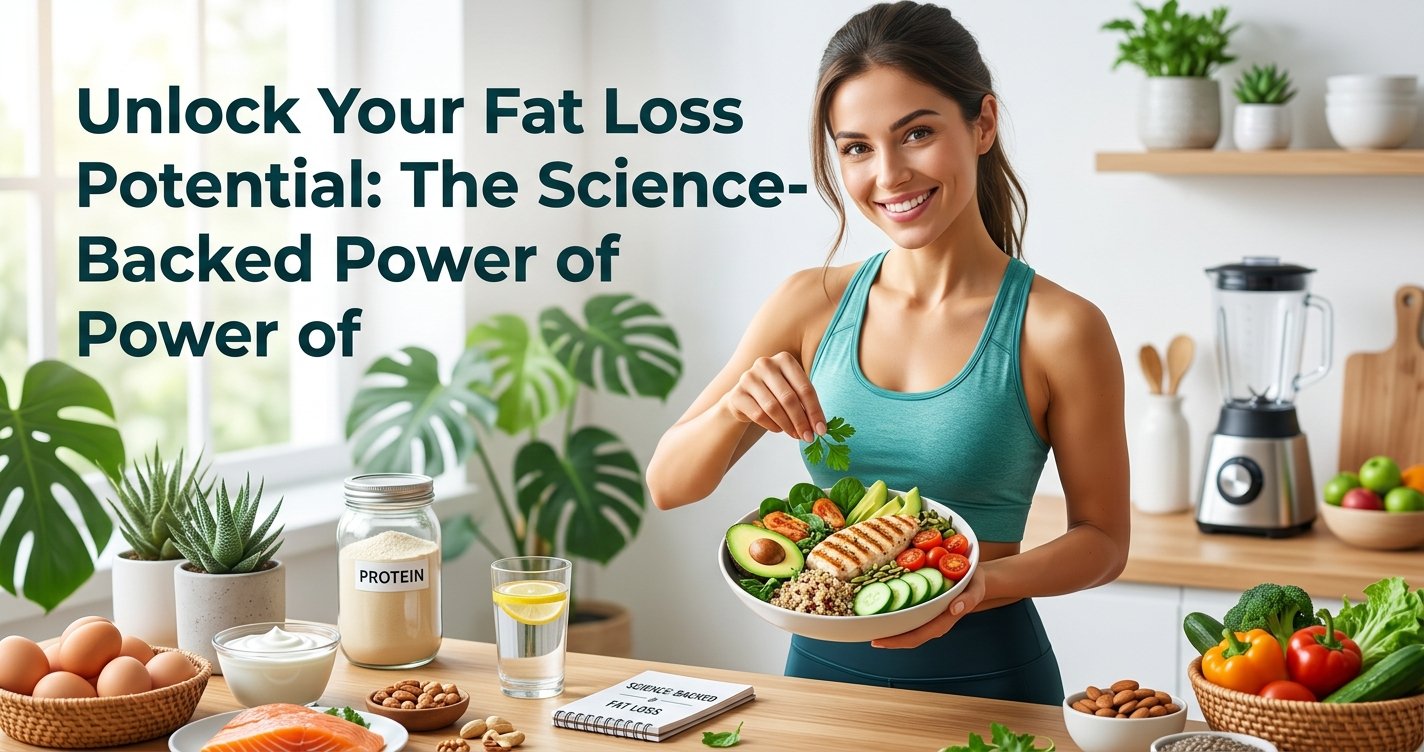
Unlock Your Fat Loss Potential: The Science-Backed Power of Protein
Are you on a journey to shed some unwanted body fat, but feeling stuck, constantly hungry, or just not seeing the results you hoped for? You're not alone! Fat loss can feel like a complex puzzle, but what if we told you there's a powerful, often underestimated, piece that can make a world of difference? Enter protein – your new best friend in the pursuit of a leaner, healthier you.
Often relegated to the realm of bodybuilders, protein is a crucial macronutrient for everyone, especially when aiming for fat loss. It's not just about building big muscles; it's about optimizing your metabolism, keeping hunger at bay, and preserving the muscle you already have. In this friendly, evidence-based guide, we'll dive deep into why protein is your secret weapon for sustainable fat loss, how much you truly need, and the best ways to incorporate it into your daily life. this excellent wellness product
Why Protein is Your Secret Weapon for Fat Loss
Protein isn't just another food group; it plays several unique roles that directly support your fat loss goals. Unlike carbohydrates or fats, protein has a trifecta of benefits that work synergistically to help you achieve and maintain a leaner physique.
The Satiety Factor: Taming Hunger Pangs
One of the biggest challenges in any fat loss journey is managing hunger. Cutting calories can often lead to persistent cravings and the dreaded 'hangry' feeling, making adherence to your plan incredibly difficult. This is where protein shines!
- Keeps You Fuller, Longer: Protein has a remarkable ability to increase feelings of fullness and reduce appetite. Studies consistently show that higher protein intake leads to greater satiety compared to diets lower in protein. This is because protein influences the release of gut hormones like GLP-1 and PYY, which signal to your brain that you're satisfied, and suppresses ghrelin, the 'hunger hormone'.
- Reduces Snacking & Cravings: By keeping you satisfied, protein naturally helps you eat less overall, reducing the urge to snack unnecessarily between meals. Imagine fewer battles with the snack cupboard – that's the power of protein!
Boost Your Metabolism: The Thermic Effect of Food (TEF)
Did you know that your body burns calories just by digesting and processing the food you eat? This is known as the Thermic Effect of Food (TEF), and protein has the highest TEF of all macronutrients.
- Burn More Calories: While carbohydrates require 5-10% of their caloric value to digest and fats around 0-3%, protein demands a whopping 20-30%. This means for every 100 calories of protein you consume, your body uses 20-30 of those calories just to process it. While it might seem small, this 'metabolic boost' adds up over time, contributing to a greater overall calorie expenditure.
- A Small But Consistent Advantage: This metabolic advantage might not be a magic bullet, but it's a consistent, passive way to burn more calories throughout your day, supporting your fat loss efforts without extra effort on your part.
Protecting Your Gains: Why Muscle Matters for Fat Loss
When you're in a calorie deficit to lose fat, your body can sometimes break down muscle tissue for energy, alongside fat. Losing muscle is counterproductive because muscle is metabolically active – it burns more calories at rest than fat does.
- Preserve Lean Muscle Mass: Adequate protein intake provides the essential amino acids your body needs to repair and build muscle tissue. By consuming enough protein, especially when combined with resistance training, you signal to your body to hold onto its precious muscle mass, even in a calorie deficit.
- Maintain a Healthy Metabolism: Preserving muscle helps prevent the dreaded 'metabolic slowdown' often associated with dieting. The more muscle you have, the higher your resting metabolic rate, meaning you burn more calories even when you're just sitting still. This makes maintaining your fat loss much easier in the long run.
How Much Protein Do You Really Need for Fat Loss?
The recommended daily allowance (RDA) for protein is 0.8 grams per kilogram of body weight (0.36 grams per pound), but this is merely the minimum to prevent deficiency, not necessarily optimal for fat loss or muscle preservation. For those actively trying to lose fat, the evidence suggests a higher intake is beneficial.
- General Guideline: Aim for 1.6 to 2.2 grams of protein per kilogram of body weight (approximately 0.7 to 1.0 grams per pound of body weight). For example, a 150-pound individual might aim for 105-150 grams of protein per day.
- Adjust for Activity Level: If you're highly active or incorporate strength training into your routine, the higher end of this range is often more beneficial.
- Distribute Throughout the Day: Instead of consuming all your protein in one meal, try to spread your intake evenly across 3-5 meals or snacks. This optimizes muscle protein synthesis and keeps you feeling full consistently. Aim for 20-40 grams per meal.
Smart Protein Choices: Fueling Your Body Right
Now that you know why protein is so important, let's talk about where to get it! There's a wide variety of delicious and nutritious protein sources available, catering to all dietary preferences.
Lean Animal Sources:
- Chicken & Turkey Breast: Excellent lean options, versatile for many dishes.
- Lean Beef & Pork: Choose leaner cuts like sirloin, tenderloin, or extra-lean ground options.
- Fish & Seafood: Salmon (rich in omega-3s), cod, tuna, shrimp, and scallops are fantastic choices.
- Eggs: A complete protein source, incredibly versatile and affordable.
- Dairy: Greek yogurt, cottage cheese, milk, and whey protein powder are packed with protein.
Plant-Based Sources:
- Legumes: Lentils, chickpeas, black beans, kidney beans are fiber-rich and great sources of protein.
- Tofu & Tempeh: Soy-based products that are excellent meat alternatives.
- Edamame: Perfect for snacking or adding to stir-fries.
- Quinoa: A complete protein grain, great as a side or base for salads.
- Nuts & Seeds: Almonds, peanuts, chia seeds, flax seeds (in moderation due to calorie density).
- Plant-Based Protein Powders: Pea, soy, rice, or hemp protein powders can be convenient for shakes and smoothies.
Tips for Incorporating More Protein:
- Start Your Day Right: Make breakfast a protein powerhouse with eggs, Greek yogurt, or a protein smoothie.
- Protein at Every Meal: Aim to include a good source of protein in every main meal.
- Smart Snacking: Opt for protein-rich snacks like cottage cheese, a handful of almonds, jerky, or hard-boiled eggs.
- Plan Ahead: Meal prepping can help ensure you always have protein-rich options ready to go.
Beyond Protein: A Holistic Approach to Fat Loss
While protein is an incredibly powerful tool, it's important to remember that it's part of a larger picture. Sustainable fat loss is achieved through a holistic approach that includes several key pillars:
- Calorie Deficit: Ultimately, you need to consume fewer calories than you burn to lose fat. Protein helps you achieve this deficit more comfortably.
- Balanced Macronutrients: Don't forget healthy fats and complex carbohydrates, which provide essential nutrients and energy.
- Strength Training: Resistance exercise works hand-in-hand with protein to build and preserve muscle mass.
- Cardiovascular Exercise: Important for overall health, calorie expenditure, and heart health.
- Adequate Sleep: Poor sleep can disrupt hunger hormones and make fat loss much harder.
- Stress Management: Chronic stress can lead to increased cortisol levels, which can hinder fat loss.
- Hydration: Drinking enough water is crucial for overall health and can also help with satiety.
Conclusion: Embrace the Power of Protein for Lasting Results
Protein is far more than just a muscle builder; it's a cornerstone of effective and sustainable fat loss. By harnessing its power to boost satiety, increase metabolism, and preserve lean muscle, you're setting yourself up for success on your journey to a healthier, leaner body.
Remember, small, consistent changes lead to significant results. Start by consciously adding a quality protein source to each meal, tracking your intake, and observing how your body responds. With an evidence-based approach and a little patience, you'll soon discover the incredible impact protein can have on your fat loss goals. So, go ahead – fuel your body with protein and unlock your full potential!