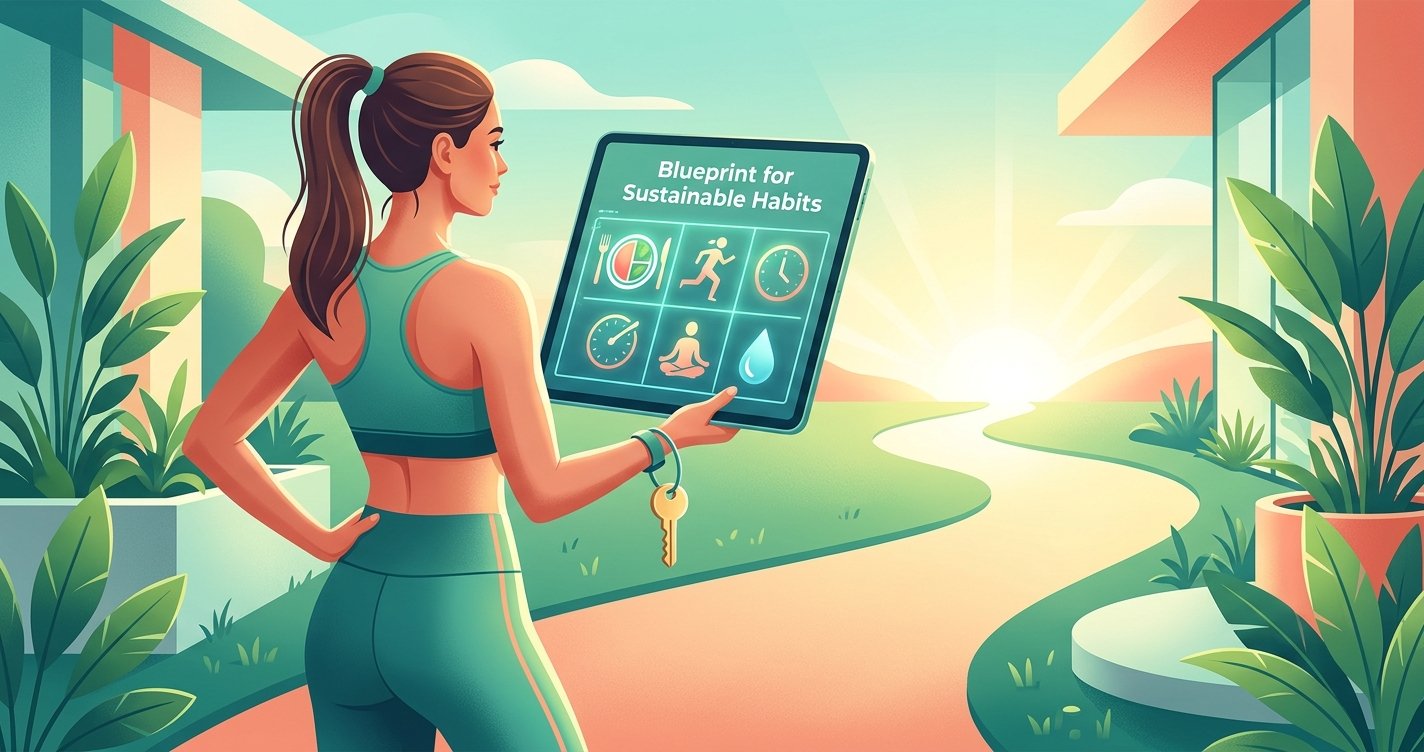
Are you tired of the endless cycle of crash diets, quick fixes, and the frustration of losing weight only to gain it back? You're not alone. In a world obsessed with instant gratification, sustainable fat loss often takes a backseat to flashy promises. But what if we told you that achieving your fat loss goals doesn't have to be a battle against your body, but rather a journey of building powerful, lasting habits? It's time to ditch the deprivation mindset and embrace a smarter, more effective approach. This isn't about dieting; it's about transforming your lifestyle one small, consistent step at a time. Let's explore the evidence-based strategies that will not only help you shed unwanted fat but keep it off for good, fostering a healthier, happier you.
Why Quick Fixes Fail (and What Works Instead)
The allure of rapid weight loss is strong, but extreme diets and intense workout regimens often lead to a metabolic backlash. When you drastically cut calories, your body perceives it as starvation and adapts by slowing down your metabolism to conserve energy. This is often called 'metabolic adaptation.' Once you return to normal eating, your body, still in 'conservation mode,' is more prone to storing calories as fat, leading to the dreaded rebound weight gain. It's a frustrating cycle, isn't it? this excellent wellness product
Instead of drastic measures, true fat loss success comes from creating a slight, consistent calorie deficit that your body can adapt to gradually. This approach minimizes metabolic slowdown and allows you to build habits that are truly sustainable, rather than temporary sacrifices. It's about playing the long game with your health, not a sprint to a finish line that quickly disappears.
The Foundation: Calorie Deficit, Smartly Done
At its core, fat loss requires consuming fewer calories than your body burns – a calorie deficit. But this doesn't mean starvation or deprivation. The key is to create a deficit thoughtfully, focusing on nutrient-dense foods that keep you feeling full and energized. Think lean proteins, healthy fats, complex carbohydrates, and an abundance of fruits and vegetables.
- Prioritize Whole Foods: Swap processed snacks for fruits, vegetables, and whole grains. They're packed with fiber, which aids satiety.
- Mind Your Portions: You don't necessarily need to count every calorie, but becoming aware of appropriate portion sizes can make a huge difference. Use smaller plates or measure out common items for a few days to get a feel for it.
- Listen to Your Body: Eat when you're hungry, stop when you're satisfied, not stuffed. This mindful approach can naturally help regulate your intake.
A modest deficit of 300-500 calories per day is often enough to promote steady, sustainable fat loss (around 1-2 pounds per week) without triggering extreme hunger or metabolic slowdown.
Power Up with Protein: Your Fat Loss Ally
If there's one macronutrient that deserves superstar status in your fat loss journey, it's protein. Protein is crucial for several reasons:
- Satiety: Protein is incredibly filling. Including a good source of protein with every meal helps you feel fuller for longer, reducing overall calorie intake and curbing cravings.
- Muscle Preservation: When you're in a calorie deficit, your body can sometimes break down muscle tissue for energy. Adequate protein intake helps protect your precious muscle mass, which is vital for a healthy metabolism.
- Thermic Effect of Food (TEF): Protein has a higher TEF than carbs or fats, meaning your body burns more calories digesting and metabolizing protein. It's a small but helpful boost!
Aim for 0.7-1 gram of protein per pound of your target body weight. Excellent sources include lean meats, poultry, fish, eggs, dairy, legumes, and plant-based protein powders.
Don't Fear the Weights: Strength Training for Fat Loss
Many people associate fat loss purely with endless cardio, but strength training is arguably even more powerful. Here's why you should embrace it:
- Boost Your Metabolism: Muscle tissue is metabolically active, meaning it burns more calories at rest than fat tissue. Building and maintaining muscle mass effectively raises your resting metabolic rate, making your body a more efficient fat-burning machine 24/7.
- Body Recomposition: Strength training helps you change your body composition, simultaneously losing fat and building muscle. This means you might not see a dramatic drop on the scale, but your body will look leaner, firmer, and more toned.
- EPOC (Excess Post-exercise Oxygen Consumption): After a challenging strength workout, your body continues to burn extra calories for hours as it recovers and repairs muscle tissue.
Start with 2-3 full-body strength training sessions per week. Focus on compound movements (squats, deadlifts, presses, rows) that work multiple muscle groups. Don't be afraid to lift challenging weights – progressive overload is key to seeing results.
Move More, Live Better: Beyond the Gym
While structured exercise is fantastic, your daily non-exercise activity thermogenesis (NEAT) plays a significant role in your overall calorie expenditure. NEAT includes all the calories you burn doing everyday activities that aren't formal exercise – walking, standing, fidgeting, doing chores, taking the stairs.
- Walk More: Aim for 7,000-10,000 steps a day. Take the stairs, park further away, go for a stroll during your lunch break.
- Stand Up: If you have a desk job, try to stand for a few minutes every hour. Standing desks can be a game-changer.
- Active Hobbies: Engage in activities you enjoy that keep you moving, like hiking, cycling, dancing, or gardening.
These small, consistent movements add up throughout the day and contribute significantly to your fat loss efforts without feeling like a grueling workout.
The Unsung Heroes: Sleep, Stress, and Hydration
You can eat perfectly and train hard, but if you neglect these foundational elements, your fat loss journey will be an uphill battle.
Prioritize Sleep:
Lack of sleep disrupts hunger-regulating hormones. Ghrelin (the hunger hormone) increases, while leptin (the satiety hormone) decreases. This makes you feel hungrier and less satisfied, often leading to increased calorie intake and cravings for unhealthy foods. Aim for 7-9 hours of quality sleep per night.Manage Stress:
Chronic stress elevates cortisol levels. High cortisol can promote fat storage, especially around the abdominal area, and increase cravings for high-calorie comfort foods. Incorporate stress-reducing activities like meditation, yoga, deep breathing, or spending time in nature.Stay Hydrated:
Water is essential for every bodily function, including metabolism. Sometimes, your body can confuse thirst with hunger. Drinking plenty of water throughout the day can help you feel fuller, support digestion, and boost your metabolism.
Mindful Eating: Reconnecting with Your Body's Cues
In our fast-paced world, eating often becomes an unconscious act. Mindful eating is about paying attention to your food, your body's signals, and your overall eating experience. This simple practice can profoundly impact your fat loss success.
- Eat Slowly: It takes about 20 minutes for your stomach to signal to your brain that it's full. Slowing down allows your body to register satiety.
- Savor Each Bite: Pay attention to the flavors, textures, and aromas of your food. This enhances enjoyment and can prevent overeating.
- Eliminate Distractions: Avoid eating in front of the TV, computer, or phone. Focus solely on your meal.
- Recognize Hunger & Fullness: Before eating, ask yourself if you're truly hungry. During your meal, check in with your body – are you satisfied, or do you need more?
Mindful eating helps you build a healthier relationship with food, moving away from restrictive rules and towards intuitive choices.
Your Sustainable Path to Lasting Fat Loss
Fat loss isn't about perfection; it's about consistency, patience, and making small, manageable changes that you can stick with for life. By focusing on a smart calorie deficit, prioritizing protein and whole foods, embracing strength training, increasing daily movement, optimizing sleep and stress, and practicing mindful eating, you're not just losing weight – you're building a foundation for sustainable health and well-being. Remember, this is your journey, and every positive step counts. Be kind to yourself, celebrate your progress, and trust the process. You've got this!