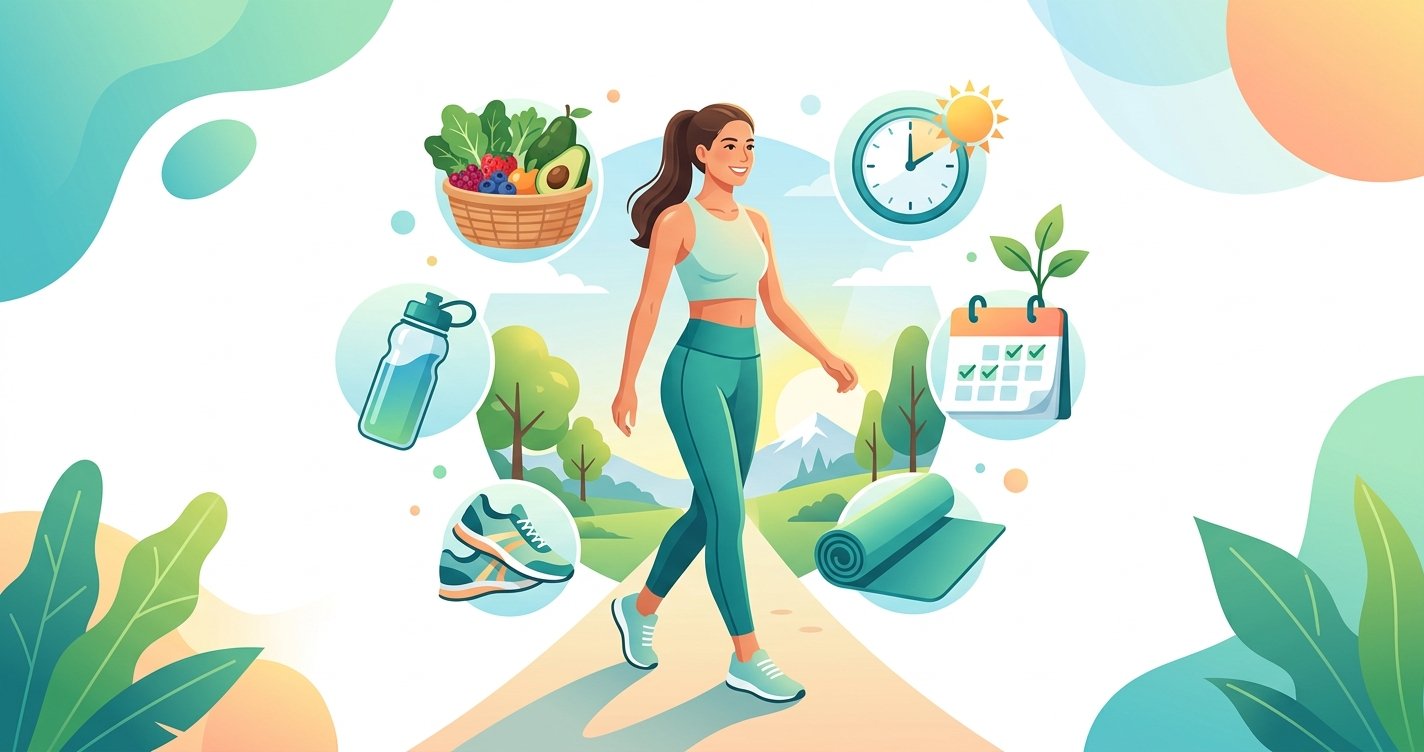
Are you tired of the endless cycle of dieting? The restrictive rules, the rapid weight loss followed by an even faster regain, and the constant feeling of deprivation? You're not alone. Millions struggle with finding a sustainable path to fat loss, often falling victim to quick fixes that promise the world but deliver only temporary results and immense frustration.
The truth is, lasting fat loss isn't found in the latest fad diet or extreme workout plan. It's built on a foundation of sustainable habits, a balanced approach to nutrition, and a powerful mindset shift. This isn't about starving yourself or spending hours in the gym; it's about making small, consistent changes that accumulate into significant, permanent results. Ready to ditch the diet mentality and embrace a lifestyle that truly works? Let's dive in. this excellent wellness product
Why Diets Fail (And What to Do Instead)
Most diets operate on the principle of extreme restriction. They cut out entire food groups, drastically reduce calories, or impose rigid eating windows. While these methods can lead to initial weight loss, they often trigger a cascade of negative effects:
- Metabolic Adaptation: Your body is smart. When calories drop too low for too long, your metabolism slows down to conserve energy, making further fat loss harder.
- Hormonal Imbalance: Restrictive eating can disrupt hunger and satiety hormones like ghrelin and leptin, leading to increased cravings and a constant battle against your own biology.
- Nutrient Deficiencies: Eliminating food groups can deprive your body of essential vitamins, minerals, and macronutrients vital for overall health and energy.
- Psychological Toll: The constant feeling of deprivation, guilt around 'cheat meals,' and social isolation can lead to increased stress, anxiety, and eventually, binge eating.
Instead of a diet, we need a lifestyle overhaul – one that focuses on nourishing your body, understanding your hunger cues, and building habits you can maintain for life. This is about progress, not perfection.
The Power of Small, Sustainable Habits for Fat Loss
Big changes are overwhelming and often unsustainable. Small, consistent habits, however, are powerful. They build momentum and rewire your brain over time. Here are a few to consider:
- Hydration Hero: Start your day with a large glass of water. Keep a water bottle handy and aim to drink 2-3 liters daily. Water aids metabolism, helps with satiety, and keeps your body functioning optimally.
- Protein Priority: Ensure every meal contains a lean protein source (chicken, fish, tofu, beans, eggs). Protein is incredibly satiating, helps preserve muscle mass during fat loss, and has a higher thermic effect (meaning your body burns more calories digesting it).
- Veggie Boost: Fill half your plate with non-starchy vegetables at lunch and dinner. They're packed with fiber, vitamins, and minerals, making you feel full without adding many calories.
- Mindful Eating: Slow down. Put your fork down between bites. Chew thoroughly. Pay attention to your body's hunger and fullness signals. This helps prevent overeating and improves digestion.
- Consistent Movement: It's not just about hitting the gym. Take the stairs, park further away, go for a brisk walk during your lunch break. Increasing your Non-Exercise Activity Thermogenesis (NEAT) significantly contributes to daily calorie expenditure.
Fueling Your Body Smartly: Nutrition Principles for Fat Loss
Forget strict meal plans. Embrace flexible nutrition principles that empower you to make informed choices:
Calorie Awareness, Not Obsession
To lose fat, you generally need to be in a mild caloric deficit (consuming slightly fewer calories than you burn). This doesn't mean drastic cuts! Use an online calculator to estimate your maintenance calories, then aim for a 300-500 calorie deficit. Focus on nutrient-dense foods that provide more bang for your caloric buck.
The Macronutrient Balance
- Protein: As mentioned, it's king for fat loss. Aim for 0.7-1 gram of protein per pound of body weight.
- Healthy Fats: Don't fear fats! Healthy fats from avocados, nuts, seeds, and olive oil are crucial for hormone production, nutrient absorption, and satiety. Keep them in moderation, as they are calorie-dense.
- Smart Carbohydrates: Choose complex carbohydrates like whole grains, fruits, and starchy vegetables. These provide sustained energy and fiber. Limit refined sugars and highly processed carbs, which lead to energy crashes and cravings.
The 80/20 Rule
Aim for 80% whole, unprocessed, nutrient-dense foods and allow 20% for occasional treats or less 'optimal' choices. This flexibility prevents feelings of deprivation and makes your eating plan sustainable long-term.
Beyond Food: Lifestyle Habits for Enhanced Fat Loss
Fat loss isn't just about what you eat; it's deeply intertwined with your overall lifestyle.
Prioritize Sleep
Lack of sleep wreaks havoc on your hormones. It increases ghrelin (hunger hormone) and decreases leptin (satiety hormone), making you hungrier and more likely to crave unhealthy foods. Aim for 7-9 hours of quality sleep per night. Create a consistent sleep schedule and a relaxing bedtime routine.
Manage Stress Effectively
Chronic stress elevates cortisol levels, a hormone that can promote fat storage, particularly around the midsection. Find healthy ways to manage stress: meditation, yoga, spending time in nature, hobbies, or connecting with loved ones. Reducing stress is a powerful, often overlooked, fat loss tool.
Embrace Strength Training
While cardio burns calories, strength training builds and preserves muscle mass. Muscle is metabolically active, meaning it burns more calories at rest than fat. The more muscle you have, the higher your resting metabolism, making fat loss easier in the long run. Aim for 2-3 strength training sessions per week.
Cultivating a Fat Loss Mindset: Your Secret Weapon
Your mental approach to fat loss is just as important as your physical actions.
- Patience and Persistence: Fat loss is a journey, not a race. There will be plateaus and setbacks. Don't let them derail you. Embrace the process, celebrate small victories, and understand that consistency over time yields results.
- Focus on Non-Scale Victories: The scale is just one metric. Pay attention to how your clothes fit, your energy levels, improved sleep, better mood, and increased strength. These non-scale victories are powerful motivators.
- Self-Compassion: Be kind to yourself. If you have an off day or make a less-than-ideal food choice, don't beat yourself up. Acknowledge it, learn from it, and get back on track with your next meal or activity.
- Positive Self-Talk: Challenge negative thoughts. Instead of 'I can't do this,' try 'I'm making progress, and I'm committed to my health.' Your internal dialogue shapes your reality.
Practical Steps to Get Started Today
Ready to transform your approach to fat loss? Here’s how to begin:
- Pick ONE New Habit: Don't try to change everything at once. Choose one small, sustainable habit from this list (e.g., drinking more water, adding protein to breakfast) and focus on mastering it for a week.
- Plan Your Meals (Loosely): Think about what healthy meals you enjoy. A little planning can prevent impulse, unhealthy choices when hunger strikes.
- Move Your Body: Go for a 30-minute walk today. It's simple, effective, and a great stress reliever.
- Track Your Progress: This doesn't mean obsessive calorie counting. Maybe track your water intake, your sleep hours, or how many times you moved your body. See what works for you.
Conclusion
Sustainable fat loss isn't about rigid rules or quick fixes; it's about building a foundation of healthy habits, understanding your body's needs, and nurturing a positive mindset. By focusing on nourishing foods, prioritizing sleep, managing stress, incorporating movement, and practicing self-compassion, you can achieve lasting results without the frustration of constant dieting. This is your journey towards a healthier, happier, and more vibrant you. Start small, stay consistent, and trust the process. Your body will thank you for it.