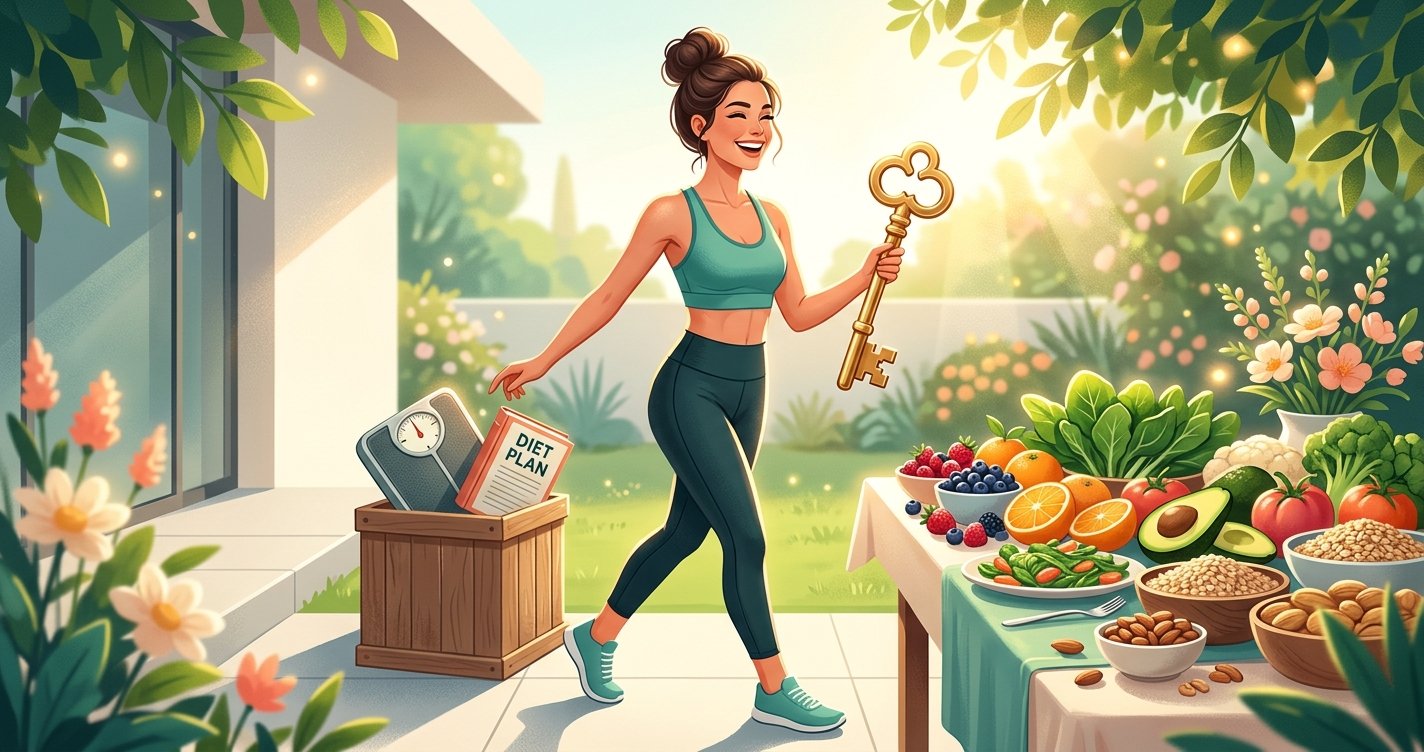
Are you tired of the diet rollercoaster? The endless cycles of restriction, temporary success, and then regaining all the weight (and often more)? You’re not alone. Millions of people struggle with traditional diets, not because of a lack of willpower, but because most diets are designed to fail in the long run. They focus on deprivation rather than sustainable change, leaving us feeling frustrated and defeated.
But what if there was another way? A path to lasting fat loss that doesn't involve counting every calorie, cutting out entire food groups, or feeling constantly hungry? Good news: there is! This guide is all about embracing a sustainable, non-diet approach to fat loss – one that focuses on building healthy habits, listening to your body, and fostering a positive relationship with food and yourself. Let’s break free from the diet mentality and build a foundation for lifelong well-being. this excellent wellness product
Why Traditional Diets Often Fail Us (and What to Do Instead)
Before we dive into solutions, it's crucial to understand why the conventional diet approach often leads to disappointment. It’s not a personal failing; it’s a systemic flaw in the diet industry's model.
The Vicious Cycle of Restriction and Rebound
Most diets operate on extreme restriction. You cut calories drastically, eliminate beloved foods, and often feel deprived. While this might lead to quick initial weight loss, it's rarely sustainable. Your body, designed for survival, perceives this restriction as a threat. It adapts by slowing your metabolism, increasing hunger hormones (like ghrelin), and making you crave energy-dense foods. Eventually, willpower wanes, you 'fall off the wagon,' and the rebound often brings back more weight than you started with, leaving you feeling worse than before.
Shifting Your Mindset: From "Diet" to "Lifestyle"
The key to lasting fat loss isn't a temporary fix; it's a permanent shift in how you approach food, movement, and self-care. Instead of a diet with an end date, think of it as adopting a healthier, more balanced lifestyle that you can maintain indefinitely. This mindset change is foundational. It’s about making choices that nourish your body and mind, not punishing yourself.
Core Pillars of Sustainable Fat Loss
True fat loss isn't about eating less; it's about eating better, moving smarter, and living more mindfully. Here are the core pillars:
Mindful Eating: Reconnecting with Your Body's Cues
One of the biggest casualties of chronic dieting is losing touch with our body's natural hunger and fullness signals. Mindful eating is about paying attention to your food – its taste, texture, aroma – and to your body's internal cues. It's about eating when you're truly hungry and stopping when you're comfortably full, not stuffed.
- Slow Down: Put your fork down between bites. Chew thoroughly.
- Savor Your Food: Notice the flavors and textures. Enjoy the experience.
- Check In: Before, during, and after eating, ask yourself: How hungry am I? Am I satisfied?
- Eliminate Distractions: Eat without screens or other distractions that prevent you from noticing your body's signals.
Prioritizing Protein and Fiber: The Satiety Superstars
When you focus on nutrient-dense foods, your body feels more satisfied, reducing cravings and overeating. Protein and fiber are your best friends in this journey.
- Protein: It's the most satiating macronutrient, meaning it keeps you feeling fuller for longer. It also helps preserve muscle mass during fat loss, which is crucial for a healthy metabolism. Include lean proteins like chicken, fish, eggs, Greek yogurt, tofu, and legumes in every meal.
- Fiber: Found in fruits, vegetables, whole grains, and legumes, fiber adds bulk to your meals, aids digestion, and slows down sugar absorption, preventing energy crashes and subsequent cravings. Aim for a variety of colorful produce and whole grains.
Smart Hydration: Your Unsung Hero for Fat Loss
Often overlooked, adequate water intake plays a vital role in fat loss and overall health.
- Boosts Metabolism: Water is essential for metabolic processes.
- Reduces Hunger: Sometimes, thirst can be mistaken for hunger. Drinking water before meals can help you eat less.
- Aids Digestion: Proper hydration helps your body process nutrients and eliminate waste efficiently.
Aim for at least 8 glasses of water a day, and more if you’re active or in a warm climate.
Beyond the Plate: Lifestyle Factors That Matter
Fat loss isn't just about what you eat; it's intricately linked to your overall lifestyle. These factors are just as important as your diet.
The Power of Movement: Finding Joy in Activity
Forget punishing workouts. The goal is to find movement you genuinely enjoy and can stick with consistently. Physical activity burns calories, builds muscle (which boosts metabolism), improves mood, and reduces stress.
- Mix It Up: Combine strength training (2-3 times a week to build muscle) with cardiovascular exercise (like walking, jogging, cycling, or dancing) for heart health and calorie burn.
- Move More Daily: Take the stairs, walk during lunch breaks, park further away. Every bit of movement adds up!
- Listen to Your Body: Rest when needed. Overtraining can lead to burnout and injury.
Sleep Your Way Leaner: The Underrated Fat Loss Tool
In our fast-paced world, sleep is often the first thing to be sacrificed. However, chronic sleep deprivation can sabotage your fat loss efforts significantly.
- Hormonal Imbalance: Lack of sleep disrupts hunger-regulating hormones. Ghrelin (the 'hunger hormone') increases, while leptin (the 'satiety hormone') decreases, leading to increased appetite and cravings, especially for high-carb, high-fat foods.
- Increased Cortisol: Poor sleep elevates cortisol, the stress hormone, which can promote fat storage, particularly around the belly.
Aim for 7-9 hours of quality sleep per night. Establish a relaxing bedtime routine and create a dark, cool, quiet sleep environment.
Stress Less, Lose More: Managing Cortisol Levels
Chronic stress, like sleep deprivation, triggers the release of cortisol. While cortisol is essential for fight-or-flight responses, prolonged elevation can lead to increased appetite, cravings, and stubborn fat accumulation.
- Identify Stressors: Recognize what triggers your stress.
- Practice Relaxation: Incorporate stress-reducing activities into your daily routine: meditation, deep breathing, yoga, spending time in nature, or engaging in hobbies you love.
- Seek Support: Don't hesitate to talk to friends, family, or a professional if stress feels overwhelming.
Building Habits That Stick: Small Steps, Big Results
Sustainable fat loss isn't about grand gestures; it's about consistent, small improvements that compound over time.
Start Small, Be Consistent
Don't try to overhaul everything at once. Pick one or two habits to focus on for a few weeks until they become automatic. For example, start by drinking an extra glass of water each morning, or adding a serving of vegetables to your dinner. Once that feels easy, add another habit.
Embrace Imperfection and Learn from Setbacks
There will be days when you don't eat perfectly, miss a workout, or feel stressed. That's absolutely normal! The key is not to let one slip-up derail your entire journey. Acknowledge it, learn from it, and get back on track with your next meal or activity. Self-compassion is vital for long-term success.
Your Journey to Lasting Change
Embarking on a sustainable fat loss journey is about more than just shedding pounds; it's about cultivating a healthier, happier you. It's about respecting your body, nourishing it with wholesome foods, moving it joyfully, and prioritizing your well-being.
Ditching the diet mentality might feel daunting at first, especially if you've been caught in the diet cycle for years. But remember, this is a journey of self-discovery and empowerment. You're building a foundation for health that will serve you for decades to come, not just for a few weeks.
By focusing on mindful eating, prioritizing nutrient-dense foods, embracing enjoyable movement, and optimizing your sleep and stress management, you're not just losing fat – you're gaining vitality, energy, and a peaceful relationship with your body. You deserve a life free from diet obsession, full of health and confidence.