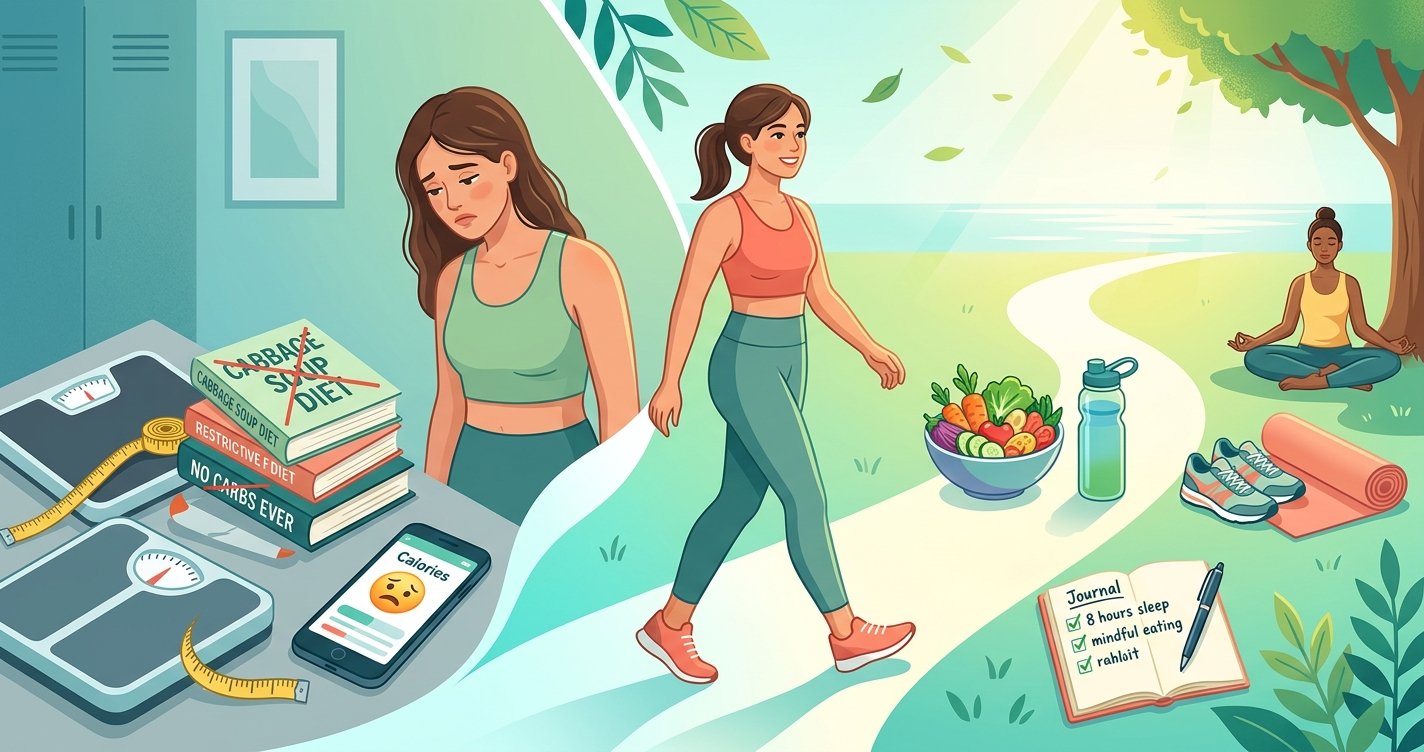
Unlock Lasting Fat Loss: Ditch the Diets, Embrace Sustainable Habits
Are you tired of the endless cycle of crash diets, restrictive eating, and the disheartening 'yo-yo' effect? Many of us have been there, chasing quick fixes that promise rapid results but often leave us feeling frustrated, deprived, and further away from our health goals. The truth is, genuine, lasting fat loss isn't about deprivation; it's about building sustainable habits that nourish your body, boost your metabolism, and fit seamlessly into your life. This isn't about a temporary diet; it's about a permanent lifestyle upgrade. Ready to discover how to achieve healthy weight loss without the extreme measures? Let's dive into an evidence-based approach that actually works for the long term.
The Pitfalls of Crash Diets: Why They Don't Work Long-Term
Before we explore what does work, it's crucial to understand why many popular quick-fix diets often fail. Extreme calorie restriction, eliminating entire food groups, or relying on shakes and supplements might show initial results, but they come at a cost. These approaches often lead to: this excellent wellness product
- Metabolic Slowdown: Your body perceives extreme restriction as starvation, slowing down your metabolism to conserve energy.
- Muscle Loss: Rapid weight loss often includes a significant amount of muscle, which is metabolically active tissue. Less muscle means a slower metabolism.
- Nutrient Deficiencies: Restrictive diets can strip your body of essential vitamins and minerals, impacting energy levels, mood, and overall health.
- Unsustainability: No one can maintain an extremely restrictive diet forever. Eventually, you 'fall off the wagon,' often regaining lost weight and sometimes even more.
- Poor Relationship with Food: These diets foster guilt, shame, and an unhealthy obsession with food, making mindful eating nearly impossible.
The good news? There's a better, more compassionate, and ultimately more effective way to achieve sustainable fat loss.
Building Your Sustainable Fat Loss Foundation: Calorie Awareness, Not Restriction
At its core, fat loss requires consuming slightly fewer calories than your body burns – this is known as a calorie deficit. However, the key is 'slightly' and 'sustainably.' Instead of drastic cuts, focus on making smart, incremental changes that create a gentle deficit without triggering your body's starvation response. Think of it as calorie awareness rather than rigid counting.
- Understand Your Basal Metabolic Rate (BMR) and Total Daily Energy Expenditure (TDEE): These numbers give you a rough idea of how many calories your body burns at rest and with activity. Online calculators can provide estimates.
- Prioritize Whole, Unprocessed Foods: Foods like fruits, vegetables, lean proteins, and whole grains are naturally lower in calories and higher in nutrients, making you feel fuller for longer.
- Portion Control: Learn what a healthy portion looks like. This doesn't mean weighing every morsel, but becoming more aware of serving sizes.
- Hydration is Key: Often, thirst is mistaken for hunger. Drinking plenty of water throughout the day can help manage appetite and supports metabolic processes.
Fueling Your Body Smartly: The Power of Protein and Fiber
When it comes to optimizing your diet for fat loss, two macronutrients stand out: protein and fiber. They are your allies in feeling full, preserving muscle, and supporting a healthy metabolism.
-
Protein: The Muscle Preserver and Satiety Hero
Protein is crucial for building and repairing muscle tissue. When you're in a calorie deficit, adequate protein intake helps preserve your lean muscle mass, which is vital for maintaining a healthy metabolism. Furthermore, protein is incredibly satiating, meaning it keeps you feeling full and satisfied for longer, reducing the likelihood of overeating. Aim to include a lean protein source (chicken, fish, eggs, tofu, lentils, Greek yogurt) at every meal.
-
Fiber: The Digestive Dynamo and Appetite Regulator
Fiber, found abundantly in fruits, vegetables, whole grains, and legumes, adds bulk to your meals without adding many calories. It slows down digestion, helping to stabilize blood sugar levels and prevent energy crashes that can lead to cravings. A diet rich in fiber also promotes gut health, which is increasingly linked to weight management. Make sure half your plate is filled with colorful vegetables at main meals.
Movement Matters: Beyond Just Cardio for a Metabolism Boost
While cardiovascular exercise (like running or cycling) burns calories, incorporating strength training is a game-changer for sustainable fat loss and body composition. Muscle is more metabolically active than fat, meaning it burns more calories at rest. Building and maintaining muscle mass is key to boosting your metabolism.
- Strength Training: Aim for 2-3 sessions per week, targeting all major muscle groups. You don't need a gym; bodyweight exercises (squats, lunges, push-ups) are highly effective. This helps to build and preserve muscle, leading to a higher resting metabolic rate.
- Cardio for Heart Health and Calorie Burn: Include 150-300 minutes of moderate-intensity cardio per week. Find activities you enjoy – walking, dancing, swimming – to make it sustainable.
- NEAT (Non-Exercise Activity Thermogenesis): Increase your daily movement outside of structured workouts. Take the stairs, park further away, stand more, or go for short walks during breaks. These small movements add up significantly.
The Often-Overlooked Heroes: Sleep and Stress Management
You can eat perfectly and exercise diligently, but if you're consistently sleep-deprived or highly stressed, fat loss will be an uphill battle. These factors profoundly impact your hormones, which in turn dictate how your body stores and burns fat.
-
Prioritize Sleep:
Lack of sleep disrupts hormones like ghrelin (which increases appetite) and leptin (which signals fullness), leading to increased cravings for unhealthy foods and a tendency to overeat. Aim for 7-9 hours of quality sleep per night. Establish a consistent sleep schedule and create a relaxing bedtime routine.
-
Manage Stress:
Chronic stress elevates cortisol levels. High cortisol can promote fat storage, particularly around the abdominal area, and increase cravings for high-sugar, high-fat foods. Incorporate stress-reducing practices into your daily life: meditation, deep breathing, spending time in nature, yoga, or hobbies you enjoy.
Mindful Eating: Listening to Your Body's Cues
Moving away from restrictive diets means cultivating a healthier, more intuitive relationship with food. Mindful eating is about paying attention to your body's hunger and fullness cues, savoring your meals, and understanding the emotional drivers behind your eating habits.
- Eat Slowly: It takes about 20 minutes for your stomach to signal to your brain that you're full. Slowing down helps prevent overeating.
- Tune In to Hunger and Fullness: Before eating, ask yourself if you're truly hungry. During your meal, check in with your body – are you satisfied, or still hungry? Stop when you're comfortably full, not stuffed.
- Minimize Distractions: Eat away from screens and other distractions to fully experience your food.
- Address Emotional Eating: If you find yourself eating out of boredom, stress, or sadness, explore alternative coping mechanisms that don't involve food.
Making It Stick: Consistency, Patience, and Self-Compassion
Sustainable fat loss is a journey, not a destination. There will be days when you make perfect choices and days when you don't. The key is consistency over perfection and treating yourself with kindness.
- Be Patient: Healthy weight loss is gradual. Aim for 1-2 pounds per week for sustainable results. Celebrate small victories.
- Track Progress Beyond the Scale: Focus on how your clothes fit, your energy levels, strength gains, and overall well-being. The scale doesn't tell the whole story.
- Learn from Setbacks: Don't view a less-than-perfect day as a failure. It's an opportunity to learn and get back on track with your next meal or workout.
- Seek Support: Share your journey with a friend, family member, or consider working with a coach or nutritionist for personalized guidance.
Your Journey to Lasting Fat Loss Starts Now
Embracing sustainable habits for fat loss is a powerful shift from temporary deprivation to lifelong well-being. By focusing on whole foods, adequate protein and fiber, a balanced exercise routine (including strength training), prioritizing sleep, managing stress, and practicing mindful eating, you're not just losing weight; you're building a stronger, healthier, and more resilient you. Ditch the extreme diets and empower yourself with knowledge and habits that will serve you for years to come. Your body will thank you!