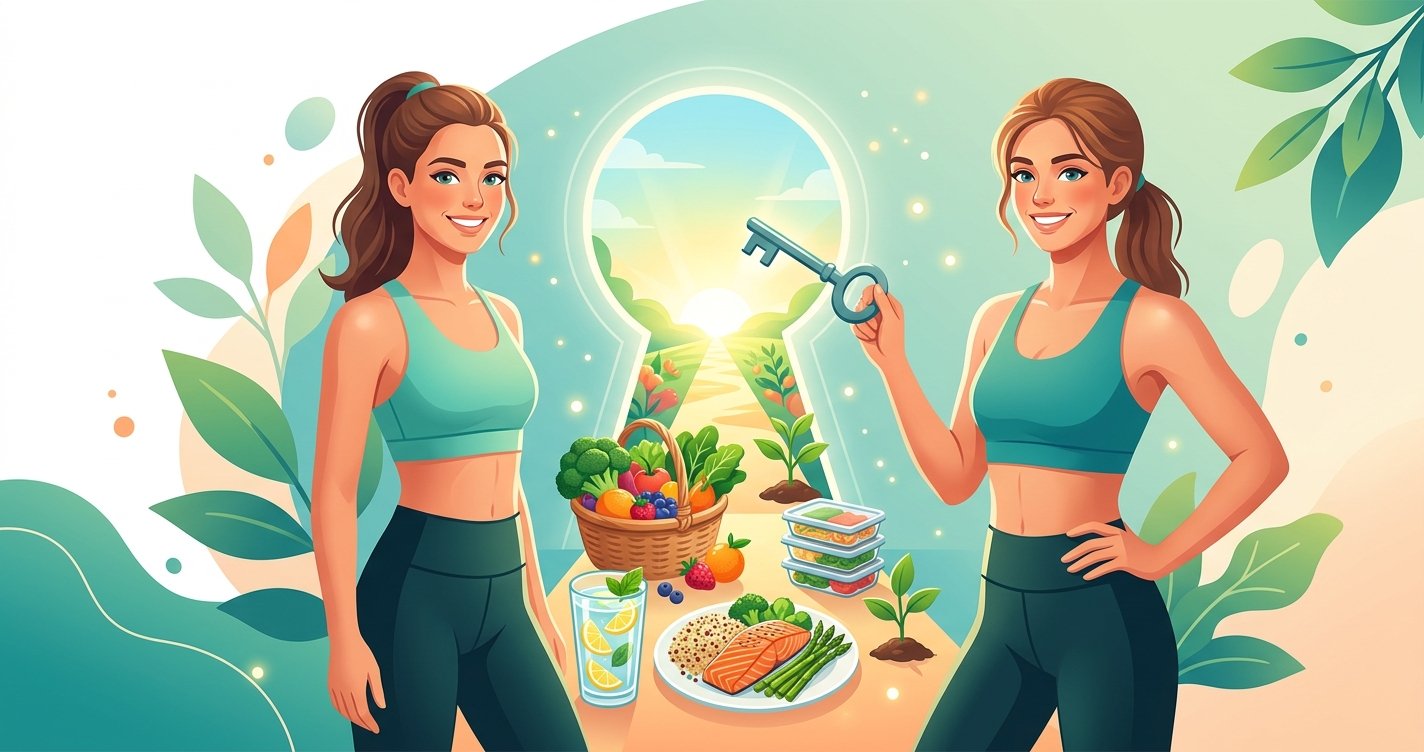
Unlock Lasting Fat Loss: Your Guide to Sustainable Nutrition Habits
Are you tired of the endless cycle of restrictive diets, quick fixes, and the inevitable rebound? You're not alone. The journey to sustainable fat loss often feels like a confusing maze, filled with conflicting advice and unrealistic expectations. But what if we told you that achieving your body composition goals doesn't have to involve deprivation or extreme measures? What if the secret lies not in what you cut out, but in the powerful, positive habits you build?
This isn't another article about the latest fad diet. Instead, we're diving deep into the world of sustainable nutrition – a friendly, evidence-based approach that focuses on building lasting habits for long-term success. We'll explore practical, actionable strategies that empower you to nourish your body, feel great, and achieve fat loss that truly sticks, without sacrificing your sanity or your favorite foods. this excellent wellness product
Why Fad Diets Fail: The Science of Sustainability
Before we dive into what works, let's briefly touch on why so many popular diets fall short. Extreme calorie restriction, elimination of entire food groups, or rigid meal plans might offer rapid initial weight loss, but they often lead to metabolic adaptation, nutrient deficiencies, and a detrimental relationship with food. Your body is smart; it adapts to perceived famine by slowing metabolism, increasing hunger hormones, and making it incredibly difficult to maintain a restrictive approach long-term.
Moreover, these diets are rarely sustainable for your lifestyle. They can isolate you socially, create anxiety around food, and are simply not enjoyable. True fat loss success isn't about a sprint; it's about building a foundation of habits you can comfortably maintain for the rest of your life. This is where sustainable nutrition shines.
The Power of Protein: Your Secret Weapon for Satiety and Metabolism
If there's one macronutrient that deserves a spotlight in your fat loss journey, it's protein. Protein is an absolute game-changer for several reasons:
- Satiety Superstar: Protein is the most satiating macronutrient, meaning it keeps you feeling fuller for longer. This naturally reduces overall calorie intake and curbs those pesky cravings.
- Muscle Preservation: When you're in a calorie deficit, your body can break down muscle tissue for energy. Adequate protein intake helps preserve lean muscle mass, which is crucial because muscle is metabolically active, burning more calories even at rest.
- Thermic Effect of Food (TEF): Protein has a higher TEF than carbs or fats. This means your body expends more energy (calories) to digest and process protein, giving you a slight metabolic boost.
Aim for a protein source at every meal. Excellent options include lean meats, poultry, fish, eggs, dairy (Greek yogurt, cottage cheese), legumes, and tofu. Research suggests aiming for 1.6-2.2 grams of protein per kilogram of body weight for optimal fat loss and muscle preservation.
Fiber Up: The Unsung Hero of Gut Health and Fat Loss
Often overlooked, dietary fiber is another powerful ally in your quest for sustainable fat loss. Think of fiber as a broom for your digestive system, but its benefits extend far beyond regularity:
- Enhanced Satiety: Like protein, fiber adds bulk to your meals, making you feel full and satisfied. Soluble fiber, in particular, forms a gel-like substance in your stomach, slowing digestion and nutrient absorption.
- Blood Sugar Control: Fiber helps to stabilize blood sugar levels, preventing sharp spikes and crashes that can lead to energy dips and increased hunger.
- Gut Health: A healthy gut microbiome is increasingly linked to overall health and weight management. Fiber acts as a prebiotic, feeding the beneficial bacteria in your gut.
Load up on fiber-rich foods like fruits (berries, apples), vegetables (broccoli, spinach, sweet potatoes), whole grains (oats, quinoa, brown rice), and legumes (beans, lentils). The general recommendation for adults is 25-38 grams of fiber per day, but many people fall short. Gradually increase your intake to avoid digestive discomfort.
Hydration Nation: Simple Sips for Big Results
It sounds almost too simple, but staying adequately hydrated is a fundamental, yet often neglected, component of fat loss. Water plays a vital role in countless bodily functions, and its impact on your weight management efforts is significant:
- Appetite Regulation: Sometimes, your body confuses thirst with hunger. Drinking a glass of water before meals can help you determine if you're truly hungry or just dehydrated, potentially reducing overall food intake.
- Metabolic Function: Water is essential for optimal metabolic processes. Even mild dehydration can slow your metabolism, making fat burning less efficient.
- Energy Levels: Proper hydration supports energy levels, which means you're more likely to feel motivated for physical activity and less likely to reach for sugary pick-me-ups.
Aim for at least 8 glasses (around 2-3 liters) of water per day, and more if you're active or in a hot climate. Keep a water bottle handy, and consider infusing water with fruits or herbs for a refreshing twist.
Embrace Whole Foods: Ditching the Ultra-Processed Trap
One of the most impactful shifts you can make for sustainable fat loss is prioritizing whole, unprocessed foods. These are foods that are as close to their natural state as possible, with minimal added sugars, unhealthy fats, or artificial ingredients. Think vibrant fruits and vegetables, lean proteins, whole grains, nuts, and seeds.
Ultra-processed foods, on the other hand, are designed to be hyper-palatable and often trigger overconsumption. They tend to be high in calories, low in nutrients, and lack the fiber and protein needed for satiety. By focusing on whole foods, you naturally increase your intake of essential nutrients, fiber, and protein, while reducing your exposure to ingredients that hinder your progress and health.
Mindful Eating: Reconnecting with Your Body's Cues
Beyond what you eat, how you eat plays a profound role in sustainable fat loss. Mindful eating is about paying attention to your food, your body's hunger and fullness signals, and the experience of eating. It's about slowing down, savoring each bite, and truly listening to your body.
In our fast-paced world, it's easy to eat distractedly – in front of the TV, while working, or on the go. This can lead to overeating because you're not fully registering your body's satiety cues. Practice mindful eating by:
- Eating without distractions (put away your phone, turn off the TV).
- Chewing slowly and savoring the flavors and textures.
- Pausing between bites.
- Checking in with your hunger and fullness levels throughout the meal.
- Stopping when you feel comfortably satisfied, not stuffed.
This practice helps you develop a healthier relationship with food and prevents mindless overconsumption.
Consistency Over Perfection: Building Habits That Last
The journey to sustainable fat loss is rarely a straight line. There will be days when you make less-than-ideal food choices, miss a workout, or feel discouraged. The key is not to strive for perfection, but for consistency. One 'off' meal or day won't derail your progress, just as one healthy meal won't magically transform your body.
Focus on making small, manageable changes that you can stick with over time. Instead of overhauling your entire diet overnight, pick one or two habits from this list to implement for a few weeks, then add another. Celebrate your small victories, learn from setbacks without judgment, and always return to your sustainable habits.
Putting It All Together: Your Sustainable Fat Loss Toolkit
Achieving lasting fat loss isn't about deprivation; it's about empowerment. It's about making informed choices that nourish your body, boost your metabolism, and fit seamlessly into your life. By embracing the power of protein and fiber, prioritizing hydration, choosing whole foods, and practicing mindful eating, you're not just losing weight – you're building a foundation for lifelong health and well-being.
Remember, your journey is unique. Be patient with yourself, be kind to your body, and celebrate every step of progress. Start small, stay consistent, and watch as these sustainable nutrition habits transform not just your body, but your entire relationship with food and health. You've got this!