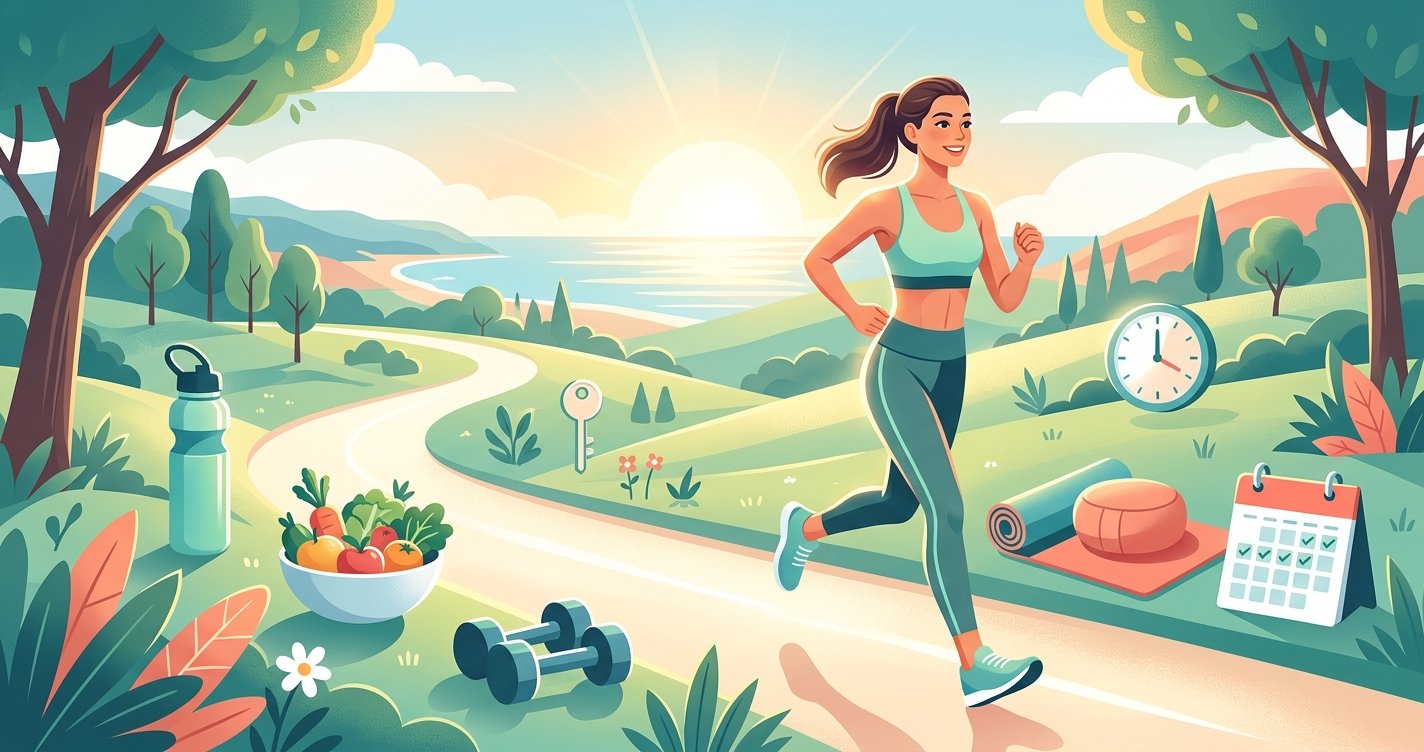
Are you tired of the endless cycle of restrictive diets, temporary weight loss, and frustrating rebound gain? You're not alone. Many of us have been conditioned to believe that fat loss requires extreme measures, deprivation, and a constant battle against our bodies. But what if there was a better way? A sustainable, empowering path that focuses on building healthy habits rather than chasing fleeting fixes?
This post is about shifting your perspective from short-term dieting to long-term lifestyle transformation. We’ll explore evidence-based strategies to cultivate habits that not only support fat loss but also enhance your overall health, energy, and well-being. Get ready to ditch the diet mentality and embrace a journey towards a healthier, happier you. this excellent wellness product
Why Quick Fixes Fail: Breaking the Diet Cycle
The allure of rapid fat loss is powerful, leading many to jump on the latest fad diet. While these approaches might offer quick initial results, they often come with significant downsides. Extremely low-calorie diets or highly restrictive eating patterns can lead to:
- Metabolic Slowdown: Your body adapts to severe calorie restriction by slowing down its metabolism, making it harder to lose weight and easier to regain it once you return to normal eating.
- Muscle Loss: Without adequate protein and resistance training, a significant portion of the weight lost can be precious muscle mass, which is crucial for a healthy metabolism.
- Nutrient Deficiencies: Restrictive diets often cut out entire food groups, potentially leading to a lack of essential vitamins and minerals.
- Unhealthy Relationship with Food: The constant focus on restriction can foster guilt, shame, and an unhealthy preoccupation with food, often leading to binge-restrict cycles.
- Unsustainability: Most people cannot maintain extreme diets indefinitely, leading to eventual burnout and a return to old habits, often with more weight gained than lost.
The good news? You don't need to starve yourself or follow complicated rules to achieve your fat loss goals. Sustainable change comes from consistent, positive habits.
The Foundation: Understanding Energy Balance (Without Obsession)
At its core, fat loss requires you to consume slightly fewer calories than your body burns over time – this is known as a calorie deficit. However, focusing solely on calorie numbers can be overwhelming and detract from the quality of your food choices. Instead of obsessive counting, let's focus on foundational habits that naturally support a healthy energy balance.
Focus on Nutrient-Dense Foods
Prioritize whole, unprocessed foods. These foods are generally lower in calories but packed with nutrients, fiber, and protein, which promote satiety and overall health. Think lean proteins, fruits, vegetables, whole grains, and healthy fats. They keep you feeling fuller for longer, reducing the likelihood of overeating.
Portion Awareness, Not Restriction
You don't need to meticulously weigh every morsel. Learn to recognize appropriate portion sizes. Using smaller plates, serving yourself moderate amounts, and listening to your body's hunger and fullness cues are powerful tools. Remember, it's about making smarter choices, not about feeling deprived.
Fueling Your Body Right: Nutrition Habits for Fat Loss
Nutrition is arguably the most critical component of sustainable fat loss. These habits are game-changers:
Prioritize Protein at Every Meal
Protein is the king of satiety. It helps you feel full, reduces cravings, and is essential for preserving muscle mass during fat loss. Aim for a good source of lean protein (chicken, fish, eggs, tofu, lentils, Greek yogurt) with every meal and snack. This simple habit can significantly impact your calorie intake and body composition.
Embrace Whole Foods and Fiber
Fill your plate with vegetables, fruits, and whole grains. These foods are rich in fiber, which aids digestion, stabilizes blood sugar, and contributes to fullness. Swapping refined grains for whole grains (e.g., brown rice instead of white rice, whole-wheat bread instead of white bread) is a small change with big benefits.
Stay Hydrated: The Often-Forgotten Habit
Drinking enough water is crucial. Sometimes, our bodies confuse thirst with hunger. Staying well-hydrated can help manage appetite, boost metabolism slightly, and support overall bodily functions. Aim for 8-10 glasses of water daily, and consider having a glass before meals.
Mindful Eating: Savoring Your Food
Slow down. Pay attention to the taste, texture, and aroma of your food. Eat without distractions (like your phone or TV). Listen to your body's signals of hunger and fullness. Mindful eating allows you to enjoy your food more, recognize when you're satisfied, and prevent overeating.
Move Your Body: Activity Habits for a Stronger You
While nutrition leads the charge, physical activity is its indispensable partner in fat loss and overall health. It boosts your metabolism, builds strength, and improves mood.
Strength Training: Your Metabolism's Best Friend
Don't skip the weights! Building muscle is incredibly important for fat loss because muscle tissue burns more calories at rest than fat tissue. Aim for 2-3 strength training sessions per week, focusing on compound movements that work multiple muscle groups. This will not only help you burn fat but also sculpt your body and increase your strength.
Cardio for Heart Health and Calorie Burn
Incorporate cardiovascular exercise into your routine. This could be anything from brisk walking, jogging, cycling, swimming, or dancing. Cardio improves heart health, increases calorie expenditure, and can be a fantastic stress reliever. Find an activity you enjoy and aim for at least 150 minutes of moderate-intensity cardio per week.
NEAT: The Power of Everyday Movement
Non-Exercise Activity Thermogenesis (NEAT) refers to the energy you burn doing everyday activities that aren't formal exercise. Think walking more, taking the stairs, standing instead of sitting, fidgeting, or doing household chores. Boosting your NEAT can significantly increase your daily calorie expenditure without feeling like a workout.
Beyond Diet and Exercise: Holistic Habits for Success
Fat loss isn't just about what you eat and how much you move. Your lifestyle factors play a huge role.
The Power of Sleep: Reclaim Your Rest
Poor sleep can sabotage your fat loss efforts. Lack of sleep disrupts hormones that regulate hunger (ghrelin) and satiety (leptin), leading to increased cravings for unhealthy foods and a tendency to overeat. Aim for 7-9 hours of quality sleep per night to support hormone balance and energy levels.
Managing Stress: Taming the Cortisol Beast
Chronic stress elevates cortisol levels, a hormone linked to increased appetite, fat storage (especially around the belly), and difficulty losing weight. Find healthy ways to manage stress, such as meditation, yoga, deep breathing exercises, spending time in nature, or engaging in hobbies you enjoy.
Consistency Over Perfection: The Long Game
Sustainable fat loss is a marathon, not a sprint. There will be days when you make less-than-ideal choices, or your motivation dips. That's perfectly normal! The key is consistency over perfection. Don't let one slip-up derail your entire journey. Get back on track with your next meal or workout. Progress, not perfection, is the goal.
Building Your Toolkit: Practical Steps to Start Today
Ready to begin your journey towards lasting fat loss and a healthier lifestyle? Here are some actionable steps:
- Start Small: Don't try to change everything at once. Pick 1-2 habits from this list that resonate with you and focus on mastering them first.
- Set Realistic Goals: Aim for a sustainable fat loss rate of 1-2 pounds per week. This allows for healthy adjustments and minimizes muscle loss.
- Track Progress Beyond the Scale: While the scale can be a tool, also pay attention to how your clothes fit, your energy levels, strength gains, and overall mood.
- Find Your 'Why': What truly motivates you? Is it more energy to play with your kids, better health markers, or feeling more confident? Reconnect with your core motivation regularly.
- Seek Support: Share your goals with a trusted friend, family member, or consider working with a coach. Accountability and support can make a huge difference.
Embrace Your Journey to Lasting Health
Sustainable fat loss is not about quick fixes or restrictive diets; it's about cultivating a collection of healthy habits that you can maintain for life. By prioritizing nutrient-dense foods, consistent activity, quality sleep, and stress management, you're not just losing fat—you're building a foundation for lifelong health, vitality, and well-being. Be patient, be kind to yourself, and celebrate every step of your progress. Your healthier, happier self is within reach!