Unlock Lasting Fat Loss: Your Holistic Guide to Sustainable Weight Management
Are you tired of the endless cycle of restrictive diets, quick fixes, and the inevitable rebound weight gain? Many of us have been there, chasing the latest fad diet only to find ourselves feeling frustrated, deprived, and ultimately, back where we started. The truth is, sustainable fat loss isn't about deprivation; it's about building a healthier, happier lifestyle that supports your body's natural ability to thrive. This isn't just about shedding pounds; it's about transforming your relationship with food, movement, and yourself for long-term well-being. Let's explore a holistic, evidence-based approach that empowers you to achieve lasting fat loss without sacrificing your sanity.
Why Crash Diets Fail: The Vicious Cycle
The appeal of rapid results is powerful, making crash diets incredibly tempting. They promise a quick fix, often involving extreme calorie restriction or eliminating entire food groups. While you might see initial weight loss, this approach is rarely sustainable and often leads to a frustrating roller coaster ride. this excellent wellness product
The Allure of Quick Fixes
We live in a world that often demands instant gratification. When it comes to fat loss, the idea of dropping 10 pounds in a week can seem like a dream come true. These diets often lean on severe calorie deficits, which initially force your body to tap into stored energy, including some fat, but also precious muscle mass and water weight. The scale drops, you feel accomplished, but what's really happening inside?
The Metabolic Backlash and Yo-Yo Effect
Your body is incredibly smart and designed for survival. When faced with extreme calorie restriction, it adapts by slowing down your metabolism to conserve energy. This is often referred to as 'metabolic adaptation.' When you inevitably return to a more normal eating pattern (because who can sustain 1200 calories forever?), your now slower metabolism is more efficient at storing incoming calories as fat. This leads to the infamous 'yo-yo effect,' where you regain the weight, often with extra interest, making it harder to lose next time. Here’s why crash diets are counterproductive:
- Muscle Loss: Rapid weight loss often comes at the expense of muscle, which is metabolically active tissue. Less muscle means a slower metabolism, making it harder to burn calories at rest.
- Nutrient Deficiencies: Restrictive diets can leave you lacking essential vitamins, minerals, and macronutrients vital for energy, mood, and overall health.
- Increased Cravings: Deprivation often leads to intense cravings and binge eating, sabotaging your efforts and fostering a negative relationship with food.
- Psychological Toll: The constant struggle, guilt, and frustration can damage your self-esteem and make healthy eating feel like a punishment rather than nourishment.
The Pillars of Sustainable Fat Loss: A Holistic Blueprint
Instead of battling your body, let's work with it. Sustainable fat loss is built upon several interconnected pillars that support overall health and well-being. Think of it as nurturing your body from the inside out.
Pillar 1: Smart Nutrition – Fueling Your Body, Not Depriving It
This isn't about rigid rules; it's about making informed choices that nourish your body and satisfy your hunger. Focus on quality over quantity, and listen to your body's signals.
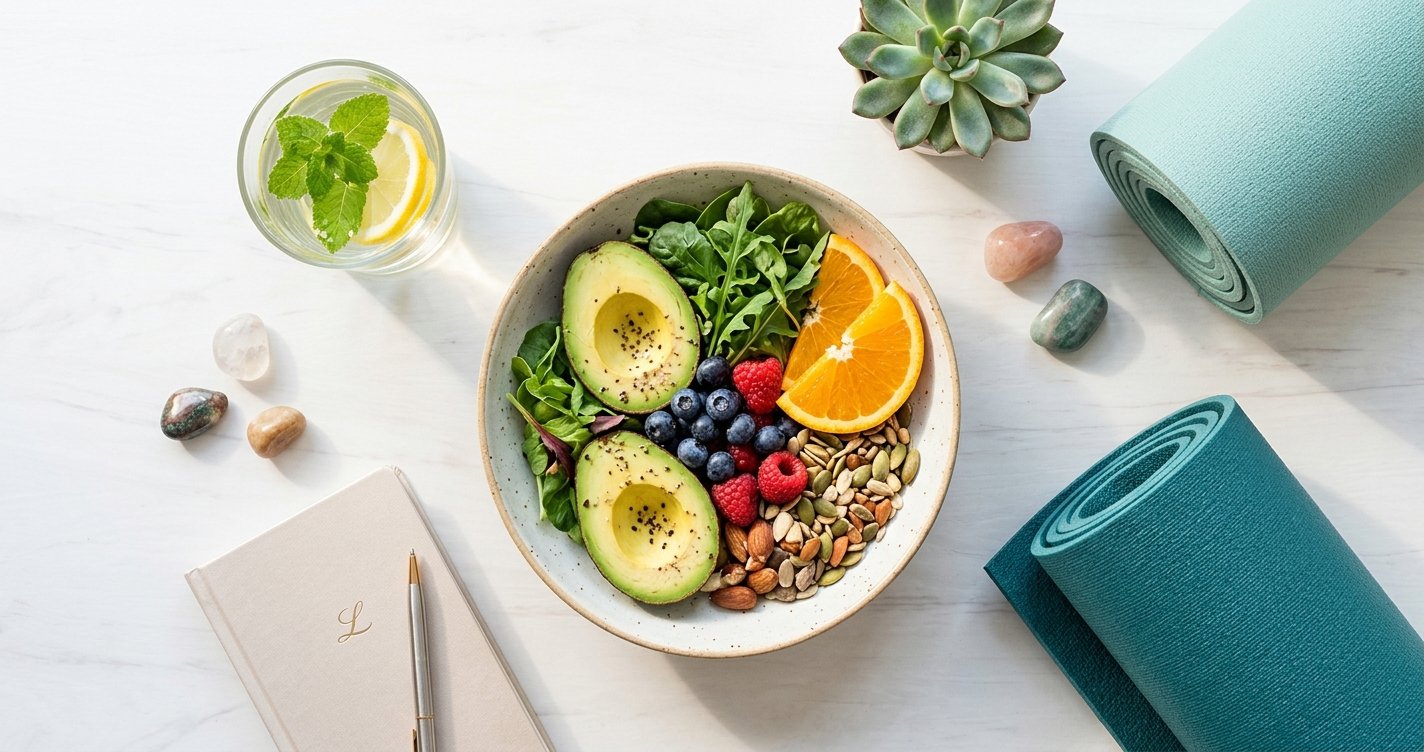
- Prioritize Whole, Unprocessed Foods: Base your diet around vegetables, fruits, lean proteins (chicken, fish, beans, lentils, tofu), whole grains (oats, brown rice, quinoa), and healthy fats (avocado, nuts, seeds, olive oil). These foods are nutrient-dense, filling, and support stable blood sugar.
- Adequate Protein Intake: Protein is crucial for satiety, preserving muscle mass during fat loss, and has a higher thermic effect (meaning your body burns more calories digesting it). Aim for a good source of protein at every meal.
- Fiber-Rich Foods: Fiber from vegetables, fruits, and whole grains keeps you feeling full, aids digestion, and helps regulate blood sugar levels.
- Healthy Fats in Moderation: Don't fear fats! They are essential for hormone production, nutrient absorption, and satiety. Just choose healthy sources and be mindful of portion sizes, as they are calorie-dense.
- Hydration is Key: Often overlooked, adequate water intake is vital for metabolism, energy, and can even help manage hunger signals. Aim for plenty of water throughout the day.
- Mindful Eating: Slow down, savor your food, and pay attention to your hunger and fullness cues. Eating mindfully helps you recognize when you're truly satisfied, preventing overeating.
Pillar 2: Strategic Movement – Exercise for Strength and Stamina
Exercise isn't just about burning calories; it's about building a stronger, healthier, and more resilient body. A balanced approach combines strength and cardiovascular training.
- Embrace Strength Training: This is a game-changer for fat loss. Building and maintaining muscle mass boosts your resting metabolism, meaning you burn more calories even when you're not exercising. Aim for 2-4 sessions per week, targeting all major muscle groups.
- Incorporate Cardiovascular Exercise: Cardio improves heart health, endurance, and contributes to your daily calorie expenditure. Find activities you enjoy, whether it's brisk walking, jogging, cycling, swimming, or dancing.
- Increase Non-Exercise Activity Thermogenesis (NEAT): Look for opportunities to move more throughout your day. Take the stairs, park further away, walk during phone calls, or stand more often. These small movements add up significantly.
- Listen to Your Body: Rest days are just as important as active days. Avoid overtraining, which can lead to injury, burnout, and increased stress hormones.
Pillar 3: Rest and Recovery – The Unsung Heroes
Often underestimated, quality sleep and effective stress management play a profound role in your body's ability to lose fat and maintain a healthy weight.
- Prioritize Sleep: When you're sleep-deprived, your body produces more ghrelin (the hunger hormone) and less leptin (the satiety hormone). This can lead to increased cravings for high-calorie, sugary foods. Aim for 7-9 hours of quality sleep per night.
- Manage Stress Effectively: Chronic stress elevates cortisol levels, a hormone that can promote fat storage, particularly around the abdominal area. Find healthy ways to manage stress, such as meditation, yoga, spending time in nature, or engaging in hobbies you enjoy.
- Active Recovery: Gentle activities like stretching, foam rolling, or a light walk can aid muscle recovery, improve flexibility, and reduce soreness, preparing your body for future workouts.
Pillar 4: Mindset and Consistency – Your Long-Term Allies
Sustainable fat loss is as much a mental game as it is a physical one. Your mindset, patience, and consistency are crucial for navigating challenges and celebrating progress.
- Cultivate Patience: Real, lasting change takes time. Celebrate small victories and understand that progress isn't always linear. There will be good days and challenging days; consistency over time is what truly matters.
- Practice Self-Compassion: Don't beat yourself up over occasional slip-ups. Instead, learn from them and get back on track. Treat yourself with the same kindness and understanding you would offer a friend.
- Set Realistic Goals: Aim for gradual, sustainable fat loss (e.g., 1-2 pounds per week). This approach is more likely to preserve muscle mass and prevent metabolic backlash.
- Focus on Habits, Not Just Outcomes: Instead of obsessing over the number on the scale, focus on building healthy habits you can maintain for life, like preparing nutritious meals, exercising regularly, and getting enough sleep. The positive outcomes will naturally follow.
Practical Strategies to Implement Today
Ready to ditch the quick fixes and embrace a path to lasting health? Here are some actionable steps you can take starting today:
- Start Small, Build Momentum: Don't try to overhaul everything at once. Pick one or two areas to focus on first, like adding more vegetables to your meals or going for a 20-minute walk daily. Once those become habits, add another.
- Track Progress Beyond the Scale: While the scale can be one tool, it doesn't tell the whole story. Also track non-scale victories like increased energy, better sleep, clothes fitting differently, strength gains, or improved mood. Take progress photos and measurements.
- Meal Prep for Success: Dedicate some time each week to plan and prepare healthy meals and snacks. This reduces decision fatigue and helps you make nutritious choices when you're busy or tired.
- Seek Support and Education: Consider consulting with a registered dietitian, certified personal trainer, or health coach. Join a supportive community or educate yourself with reliable resources. You don't have to do this alone.
Embrace Your Journey to Lasting Health
Sustainable fat loss is a journey, not a destination. It’s about building a lifestyle that you genuinely enjoy and that makes you feel vibrant, energetic, and confident. By focusing on smart nutrition, strategic movement, adequate rest, and a positive mindset, you’re not just losing fat; you’re investing in a healthier, happier future. Ditch the deprivation and embrace the power of a holistic approach. Your body will thank you, and you'll discover a sustainable path to lasting well-being. Start today, one small, consistent step at a time!