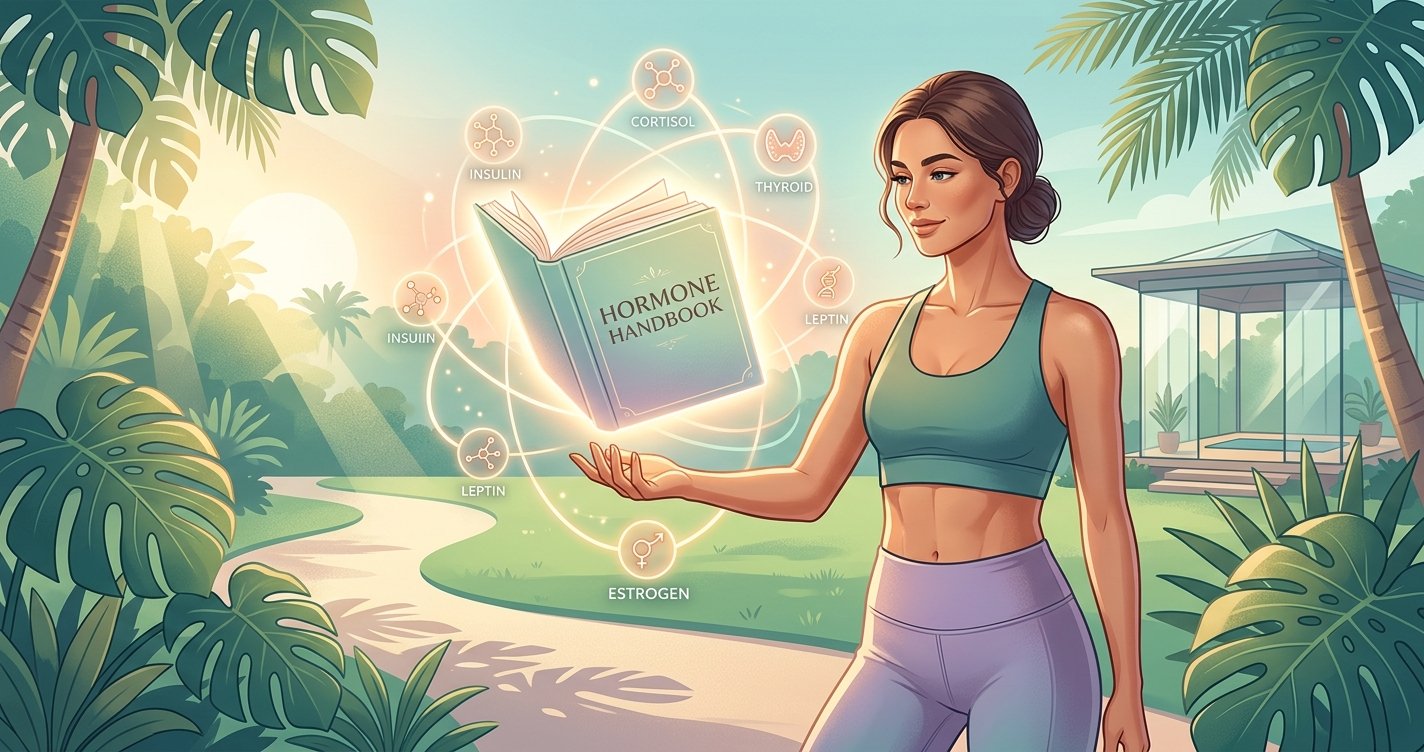
Ever felt like you're doing everything right – meticulously counting calories, hitting the gym – only to find the scale barely budges, or worse, creeps back up? You're not alone. The conventional wisdom of "calories in, calories out" often overlooks a crucial, complex, and incredibly powerful system within your body: your hormones.
While calorie balance is fundamental, it’s far from the whole story. Your hormones act as messengers, dictating everything from your hunger levels and cravings to where your body stores fat and how efficiently it burns it. Understanding and working with these internal regulators, rather than against them, can be the missing piece in your sustainable fat loss journey. This isn't about extreme diets or deprivation; it's about empowering your body to naturally find its healthy balance. this excellent wellness product
Hormones 101: Your Internal Fat Loss Regulators
Think of your hormones as the conductors of your body's orchestra. They influence your metabolism, appetite, mood, energy levels, and even your sleep. When these conductors are out of sync, it can create a symphony of challenges for fat loss, making it feel like an uphill battle no matter how few calories you consume. Instead of just focusing on the fuel (calories), let's look at the engine's mechanics (hormones).
Insulin: The Master Energy Storage Hormone
Understanding Insulin's Role in Fat Storage
Insulin is perhaps the most well-known hormone linked to fat storage. Released by your pancreas, its primary job is to shuttle glucose (sugar from the food you eat) from your bloodstream into your cells for energy or storage. When you consistently consume high amounts of refined carbohydrates and sugars, your body constantly releases insulin. Over time, cells can become less responsive to insulin's signal – a condition known as insulin resistance.
When you're insulin resistant, your body has to pump out even more insulin to get glucose into cells. High insulin levels signal your body to store fat and make it harder to access existing fat stores for energy. This is why some people find low-carb approaches effective; they naturally reduce insulin spikes.
Optimizing Insulin for Fat Loss:
- Prioritize Protein and Healthy Fats: These macronutrients have minimal impact on insulin levels compared to carbohydrates. Include a good source of protein (lean meats, fish, eggs, legumes) and healthy fats (avocado, nuts, seeds, olive oil) with every meal.
- Choose Complex Carbs Wisely: Opt for fiber-rich complex carbohydrates like vegetables, whole grains (in moderation), and legumes, which lead to a slower, more sustained rise in blood sugar and insulin.
- Limit Sugary Drinks and Refined Foods: These are major culprits for insulin spikes and resistance.
- Move Your Body: Exercise, especially strength training, improves insulin sensitivity.
Leptin & Ghrelin: The Hunger-Satiety Duo
Decoding Your Appetite Signals
Imagine having an internal control system for hunger and fullness. That's leptin and ghrelin. Leptin, produced by your fat cells, tells your brain when you have enough energy stored and signals satiety. It's your "stop eating" hormone. Ghrelin, primarily produced in your stomach, signals hunger – it's your "start eating" hormone.
In an ideal world, leptin and ghrelin work in harmony. However, issues can arise. Chronic overeating, especially of processed foods, can lead to leptin resistance, where your brain stops hearing leptin's "I'm full" message. High ghrelin levels (often due to lack of sleep or restrictive dieting) can make you constantly hungry.
Balancing Hunger & Fullness Hormones:
- Prioritize Sleep: Lack of sleep significantly increases ghrelin and decreases leptin, making you hungrier and less satisfied. Aim for 7-9 hours of quality sleep.
- Eat Whole, Unprocessed Foods: These are naturally more filling and nutrient-dense, helping to regulate both hormones. Fiber, especially, promotes satiety.
- Mindful Eating: Pay attention to your body's hunger and fullness cues. Eat slowly, savor your food, and stop when you're satisfied, not stuffed.
- Manage Stress: Stress can disrupt ghrelin and leptin signaling, often leading to emotional eating.
Cortisol: The Stress Hormone and Belly Fat
The Link Between Stress and Fat Storage
Cortisol is your body's primary stress hormone, essential for your "fight or flight" response. While acute spikes are necessary for survival, chronically elevated cortisol levels – often due to ongoing stress from work, relationships, or even intense exercise without adequate recovery – can wreak havoc on your fat loss efforts.
High cortisol levels encourage your body to store fat, particularly around your abdomen (visceral fat), and can increase cravings for sugary, fatty comfort foods. It also messes with blood sugar regulation and can break down muscle, further hindering metabolism.
Lowering Cortisol for Better Fat Loss:
- Practice Stress Management: Incorporate daily practices like meditation, deep breathing exercises, yoga, or spending time in nature.
- Get Enough Sleep: As mentioned, sleep is crucial for cortisol regulation. Chronic sleep deprivation is a significant stressor.
- Moderate Exercise: While exercise is great, overtraining can elevate cortisol. Find a balance that feels good for your body.
- Connect with Others: Social connection can be a powerful stress buffer.
- Adaptogens: Some herbs like Ashwagandha (consult a doctor first) may help your body adapt to stress.
Sleep: The Unsung Hero of Hormonal Balance
We've touched on sleep's impact on leptin, ghrelin, and cortisol, but its importance for overall hormonal harmony in fat loss cannot be overstated. When you skimp on sleep, your body goes into a state of physiological stress. This not only elevates cortisol but also impairs insulin sensitivity and disrupts the balance of your hunger hormones, making you more prone to cravings, overeating, and fat storage.
Prioritizing Sleep for Fat Loss:
- Aim for 7-9 Hours: Consistency is key. Try to go to bed and wake up around the same time each day, even on weekends.
- Create a Bedtime Routine: Wind down with relaxing activities like reading, a warm bath, or light stretching.
- Optimize Your Sleep Environment: Make your bedroom dark, quiet, and cool.
- Limit Screen Time Before Bed: Blue light from screens can interfere with melatonin production, the sleep hormone.
Putting It All Together: A Holistic Approach to Sustainable Fat Loss
Real, lasting fat loss isn't about a quick fix or punishing yourself with extreme diets. It's about building sustainable habits that support your body's natural ability to regulate itself. By understanding and nurturing your hormonal balance, you're not just losing weight; you're creating a healthier, more vibrant you.
Your Actionable Roadmap:
- Nourish with Whole Foods: Focus on protein, healthy fats, and fiber-rich vegetables at every meal to stabilize blood sugar and support satiety.
- Prioritize Quality Sleep: Make sleep non-negotiable for hormonal repair and regulation.
- Manage Stress Effectively: Find what works for you – whether it's meditation, nature walks, or journaling.
- Move Your Body Mindfully: Incorporate a mix of strength training and moderate cardio to improve insulin sensitivity and boost metabolism.
- Hydrate Adequately: Water is vital for all bodily functions, including metabolism and hormone transport.
- Be Patient and Consistent: Hormonal balance takes time. Celebrate small victories and stay consistent with your healthy habits.
Remember, your body is an intelligent system designed for balance. Instead of fighting it with restrictive diets, learn to listen to its signals and provide the support it needs. By focusing on hormonal harmony, you'll not only achieve sustainable fat loss but also experience improved energy, mood, and overall well-being. This journey is about empowerment, not deprivation. You've got this!