Ready for Real, Sustainable Fat Loss? Let's Talk Science!
Tired of diet fads that promise the world but deliver fleeting results? You're not alone! Many people struggle with fat loss because they focus on quick fixes instead of understanding the fundamental principles that drive lasting change. The good news? Sustainable fat loss doesn't have to be complicated, restrictive, or miserable. In fact, it can be incredibly empowering when you know the science.
Today, we're diving deep into two cornerstones of effective fat loss that are backed by mountains of evidence: the calorie deficit and the mighty power of protein. Forget the magic pills and extreme cleanses; these are the sustainable, health-promoting strategies that will help you achieve your goals and maintain them for good. Let's get started! this excellent wellness product
Why a Calorie Deficit is Non-Negotiable for Fat Loss
Understanding Energy Balance: The Golden Rule
At its core, fat loss boils down to one undeniable scientific truth: energy balance. To lose fat, you must consistently consume fewer calories than your body burns. This state is known as a calorie deficit. Think of your body like a car. If you put less fuel in than it uses, its fuel tank (your fat stores) will gradually deplete.
It sounds simple, right? And it is! No matter what diet you follow – keto, low-carb, vegan, Mediterranean – if you're losing fat, you're in a calorie deficit. The specific foods or macros might influence how you feel and your adherence, but the calorie deficit is the mechanism that drives the actual fat loss.
How to Create a Smart Calorie Deficit
The key here is 'smart.' A drastic, unsustainable deficit will leave you hungry, irritable, and likely to rebound. We want to aim for a moderate, manageable deficit that allows for consistent progress without feeling deprived.
- Calculate Your TDEE (Total Daily Energy Expenditure): This is an estimate of how many calories your body burns in a day, including your basal metabolic rate (BMR), physical activity, and digestion. Online calculators can give you a good starting point.
- Aim for a Moderate Deficit: For most people, a deficit of 300-500 calories below your TDEE is ideal for sustainable fat loss (typically resulting in 1-2 pounds of fat loss per week).
- Track Your Intake (Initially): You don't need to track forever, but for a few weeks, logging your food can provide invaluable insight into your current eating habits and help you understand where your calories are coming from. This awareness is a game-changer!
Protein: Your Ultimate Ally for Sustainable Fat Loss
While a calorie deficit is the engine of fat loss, protein is the turbo booster that makes the journey smoother, more efficient, and more sustainable. Protein isn't just for bodybuilders; it's a powerhouse nutrient for anyone looking to optimize their body composition and feel their best.
The Satiety Factor: Stay Fuller, Longer
One of protein's greatest superpowers is its ability to keep you feeling full and satisfied. Compared to carbohydrates and fats, protein has the highest satiety index. This means a high-protein meal can significantly reduce hunger, curb cravings, and prevent overeating later in the day, making it much easier to stick to your calorie deficit.
Preserving Muscle Mass: Protect Your Metabolism
When you're in a calorie deficit, your body can sometimes break down muscle tissue for energy, alongside fat. This is where protein steps in! A higher protein intake helps to signal your body to preserve precious muscle mass. Why is muscle so important? Because muscle is metabolically active, meaning it burns more calories at rest than fat tissue. Protecting your muscle helps maintain a higher metabolism, which is crucial for long-term fat loss and preventing dreaded plateaus.
The Thermic Effect of Food (TEF): Burn More Calories Just by Eating!
Did you know your body expends energy just to digest, absorb, and metabolize the food you eat? This is called the Thermic Effect of Food (TEF). Protein has the highest TEF of all macronutrients, meaning your body burns more calories processing protein-rich foods than it does processing carbs or fats. It's a small but significant boost to your overall calorie expenditure, giving you an edge in your fat loss journey.
How Much Protein is Optimal for Fat Loss?
So, how much of this magical macronutrient do you actually need? For active individuals looking to optimize fat loss and preserve muscle, current evidence suggests aiming for:
- 1.6 to 2.2 grams of protein per kilogram of body weight (or 0.7 to 1.0 grams per pound of body weight) per day.
For example, if you weigh 150 pounds (approx. 68 kg), you'd aim for roughly 105-150 grams of protein daily. Spreading this intake throughout your day, with 20-40 grams per meal, is generally most effective for muscle protein synthesis and satiety.
Excellent Protein Sources:
- Lean Meats: Chicken breast, turkey, lean beef, pork tenderloin
- Fish & Seafood: Salmon, tuna, cod, shrimp
- Eggs: Whole eggs are fantastic!
- Dairy: Greek yogurt, cottage cheese, milk
- Legumes: Lentils, beans, chickpeas
- Plant-Based: Tofu, tempeh, edamame, protein powders (whey, casein, soy, pea)
Putting It All Together: Your Action Plan
Practical Strategies for Success
Now that we understand the 'why,' let's focus on the 'how.' Combining a smart calorie deficit with adequate protein intake is easier than you think:
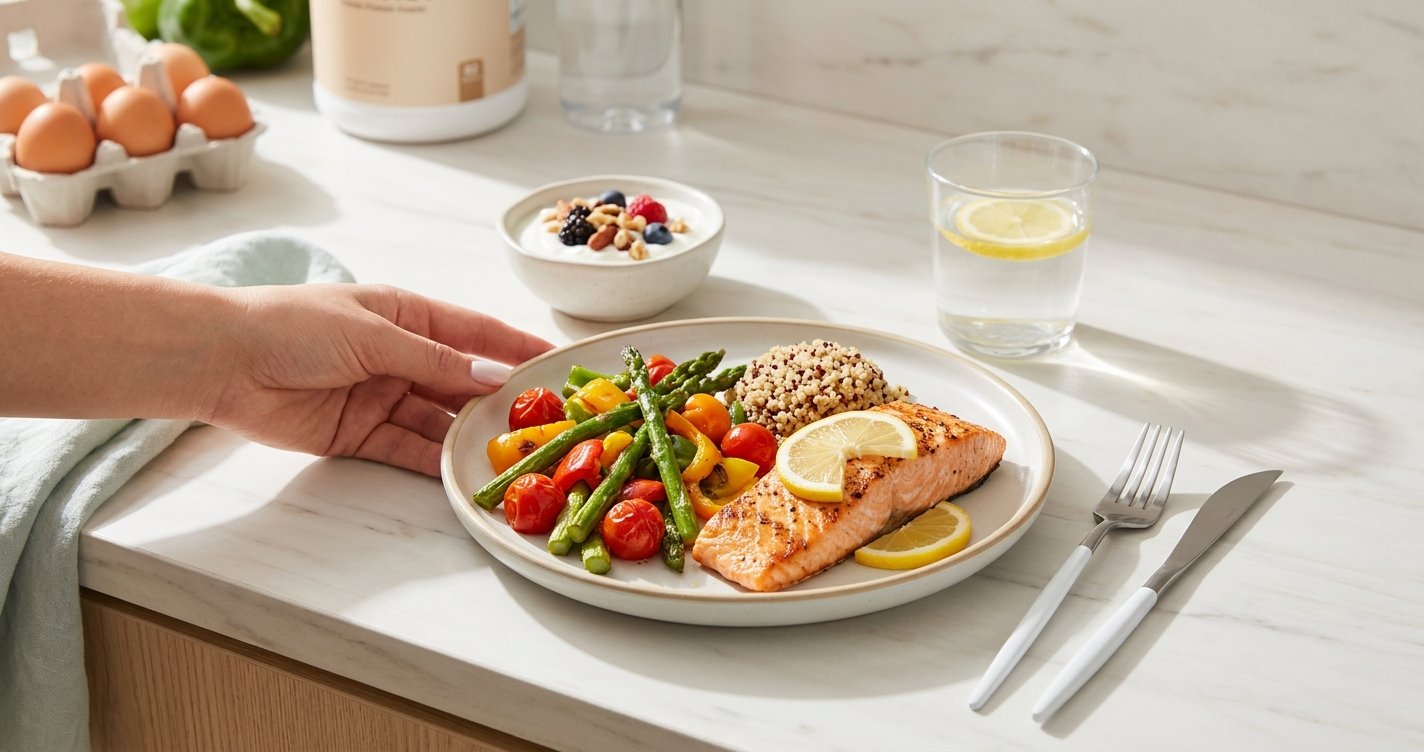
- Prioritize Protein at Every Meal: Start your day with protein (e.g., Greek yogurt, eggs), include it in your lunch (e.g., chicken salad), and make it the centerpiece of your dinner (e.g., baked salmon).
- Choose Whole, Minimally Processed Foods: These foods are generally more nutrient-dense, more filling, and naturally lower in calories than highly processed options. Think fruits, vegetables, whole grains, and lean proteins.
- Hydrate, Hydrate, Hydrate: Drinking plenty of water can help with satiety, boost metabolism, and is essential for overall health. Sometimes, thirst is mistaken for hunger!
- Plan Ahead: Meal prepping or simply planning your meals and snacks can prevent impulsive, less healthy choices when hunger strikes.
- Listen to Your Body: Pay attention to your hunger and fullness cues. Don't feel you have to clear your plate if you're satisfied.
- Be Patient and Consistent: Fat loss is a journey, not a race. There will be ups and downs. Consistency over time is what truly delivers results. Celebrate small victories and learn from setbacks.
Example Day Focused on Protein & Calorie Deficit:
- Breakfast: Scrambled eggs with spinach and a side of cottage cheese.
- Lunch: Large salad with grilled chicken breast, lots of non-starchy veggies, and a light vinaigrette.
- Snack: Greek yogurt with a few berries.
- Dinner: Baked salmon with quinoa and steamed broccoli.
This approach keeps you feeling full and nourished while naturally guiding you into a sustainable calorie deficit.
More Than Just Numbers: Holistic Habits for Lasting Success
The Power of Sleep, Stress Management, and Hydration
While calories and protein are foundational, don't underestimate the impact of other lifestyle factors. Poor sleep can disrupt hormones that regulate hunger and satiety, making fat loss harder. Chronic stress can lead to increased cortisol levels, potentially hindering fat loss and increasing cravings. And as mentioned, proper hydration is crucial for metabolic function and satiety.
The Role of Resistance Training: Build a Better You
Finally, integrating resistance training (lifting weights, bodyweight exercises) into your routine is a game-changer. It works synergistically with high protein intake to build and maintain muscle mass, further boosting your metabolism and shaping your physique. You'll not only lose fat but also look and feel stronger and more toned.
Patience and Consistency: Your Secret Weapons
Remember, sustainable fat loss isn't about perfection; it's about consistency and progress. Embrace the process, be kind to yourself, and trust in the power of these evidence-based strategies. You're building healthy habits for life, not just for a season.
Your Path to Sustainable Fat Loss Starts Now!
You now have the knowledge to move beyond the frustration of endless diets and embrace a truly effective approach to fat loss. By understanding the critical role of a calorie deficit and harnessing the incredible benefits of protein, you're equipped to make informed choices that will lead to lasting results.
Start small, make one change today, and build on it. Focus on nourishing your body, staying active, and being consistent. Your journey to a healthier, happier you is within reach!