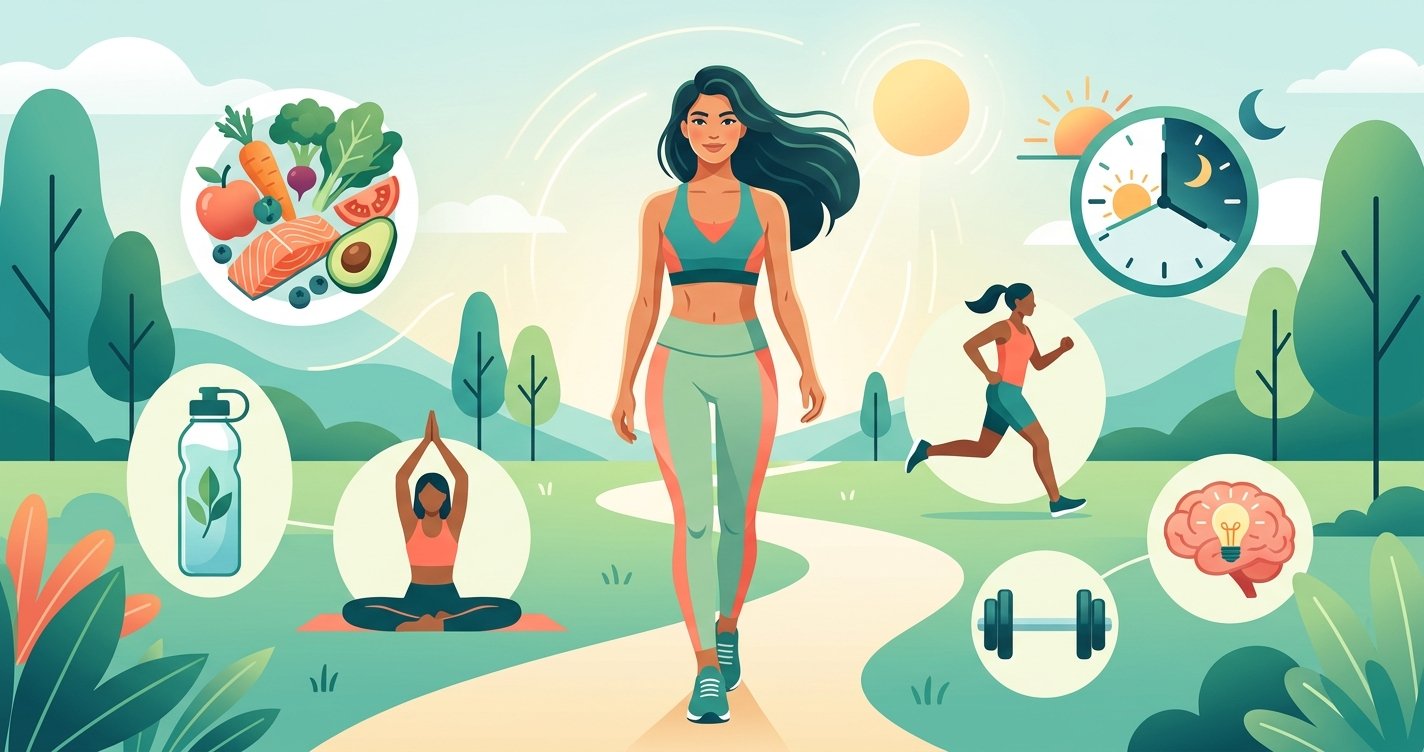
Tired of the weight loss rollercoaster? You know the one: strict diet, rapid initial loss, then the inevitable plateau, followed by regaining the weight (and often a little extra). If this sounds familiar, you’re not alone. Millions struggle with unsustainable approaches to fat loss, often feeling frustrated and defeated. But what if there was a better way? A path to lasting results that doesn't involve deprivation, extreme measures, or constant hunger?
Welcome to the world of sustainable fat loss through lifestyle changes. This isn't about a quick fix; it's about building healthy habits that integrate seamlessly into your life, leading to gradual, consistent progress and a healthier, happier you. Backed by science and focused on well-being, this approach empowers you to transform your body and mind without sacrificing your sanity. Let's dive in! this excellent wellness product
Why Crash Diets Fail (And What to Do Instead)
Before we build something new, it's helpful to understand why the old methods often crumble. Crash diets, characterized by severe calorie restriction and often eliminating entire food groups, might promise fast results, but they come at a significant cost:
- Metabolic Slowdown: Your body is smart. When it senses starvation, it adapts by slowing down your metabolism to conserve energy, making further fat loss harder.
- Muscle Loss: Rapid weight loss often includes a significant amount of precious muscle, which is metabolically active and helps burn calories. Losing it makes long-term fat management tougher.
- Hormonal Imbalance: Extreme dieting can wreak havoc on hormones like leptin (satiety hormone) and ghrelin (hunger hormone), leading to increased cravings and hunger. Cortisol, the stress hormone, can also rise, potentially promoting fat storage, especially around the belly.
- Nutrient Deficiencies: Restrictive diets can leave you lacking essential vitamins and minerals, impacting energy, mood, and overall health.
- Psychological Toll: Deprivation often leads to feelings of resentment, guilt, and eventually, binge eating, creating a vicious cycle of restrict-binge-regret.
Instead of battling your body, we're going to work with it. The sustainable approach focuses on nourishing your body, moving it joyfully, prioritizing recovery, and cultivating a positive mindset. This isn't just about losing fat; it's about gaining health, energy, and confidence.
Nourish Your Body: A Sustainable Approach to Eating
Eating for fat loss doesn't mean eating less; it means eating better. This evidence-based strategy centers around whole, unprocessed foods that keep you full, energized, and satisfied.
Prioritize Protein and Fiber
These two macronutrients are your best friends for sustainable fat loss:
- Protein: Found in lean meats, poultry, fish, eggs, dairy, legumes, and tofu, protein is incredibly satiating. It helps preserve muscle mass during weight loss and has a higher thermic effect, meaning your body burns more calories digesting it. Aim for a source of protein at every meal.
- Fiber: Abundant in fruits, vegetables, whole grains, nuts, and seeds, fiber adds bulk to your meals, promoting fullness and aiding digestion. Soluble fiber, in particular, can help regulate blood sugar levels and reduce cholesterol.
Embrace Whole Foods
Focus on foods as close to their natural state as possible. Think fresh produce, lean proteins, healthy fats (avocado, nuts, seeds, olive oil), and complex carbohydrates (quinoa, brown rice, sweet potatoes). These foods are nutrient-dense and typically lower in calories per serving compared to highly processed alternatives, which often contain added sugars, unhealthy fats, and excessive sodium.
The Art of Mindful Eating
Beyond what you eat, how you eat matters. Mindful eating involves paying attention to your body's hunger and fullness cues, savoring your food, and eating without distractions. This can help prevent overeating and improve your relationship with food.
- Eat slowly and chew thoroughly.
- Put your fork down between bites.
- Listen to your body's signals of satisfaction, not just fullness.
- Avoid eating in front of screens.
Move with Purpose: Finding Joy in Activity
Exercise isn't just about burning calories; it's about building strength, improving cardiovascular health, boosting mood, and enhancing overall well-being. The key to sustainable activity is finding what you enjoy and making it a consistent part of your life.
Strength Training: Your Fat-Loss Ally
Don't skip the weights! Strength training builds muscle, and more muscle means a higher resting metabolism, helping you burn more calories even when you're at rest. Aim for 2-3 full-body strength sessions per week, focusing on compound movements like squats, deadlifts, push-ups, and rows. You don't need a gym; bodyweight exercises are incredibly effective!
Cardio for Health and Energy
Cardiovascular exercise, like brisk walking, jogging, cycling, or swimming, is excellent for heart health, endurance, and calorie expenditure. Find an activity you genuinely enjoy and aim for at least 150 minutes of moderate-intensity cardio per week. Consistency trumps intensity here!
The Power of Everyday Movement (NEAT)
Non-Exercise Activity Thermogenesis (NEAT) refers to the calories you burn through daily activities that aren't formal exercise. Think walking more, taking the stairs, gardening, cleaning, or fidgeting. These small movements add up significantly throughout the day and are a powerful, often overlooked, tool for sustainable fat loss.
Beyond Food and Exercise: The Holistic Pillars
True sustainable fat loss recognizes that your body is an interconnected system. Neglecting crucial factors like sleep, stress, and hydration can sabotage even the best nutrition and exercise plans.
Master Your Sleep
Often overlooked, sleep is profoundly impactful on fat loss. Lack of sleep disrupts hormones that regulate appetite (ghrelin and leptin), leading to increased hunger and cravings for unhealthy foods. It also elevates cortisol, which can promote belly fat storage. Aim for 7-9 hours of quality sleep per night.
Tame the Stress Monster
Chronic stress is another major contributor to stubborn fat, particularly around the midsection. When stressed, your body releases cortisol, which signals your body to store fat and can increase cravings for high-calorie comfort foods. Incorporate stress-reducing practices into your daily routine: meditation, deep breathing, yoga, spending time in nature, or engaging in hobbies you love.
Hydration: The Simple Secret
Drinking enough water is fundamental. Water plays a role in nearly every bodily function, including metabolism and appetite regulation. Sometimes, what we perceive as hunger is actually thirst. Aim for at least 8 glasses of water a day, more if you're active or in a hot climate.
Cultivating a Mindset for Lasting Success
Sustainable fat loss isn't just a physical journey; it's a mental one. Your mindset is perhaps the most critical component for long-term success.
Patience, Not Perfection
Understand that progress isn't linear. There will be good days and challenging days. Instead of striving for perfection, aim for consistency. A slip-up isn't a failure; it's an opportunity to learn and get back on track. Embrace the journey, knowing that small, consistent actions lead to big results over time.
Self-Compassion and Consistency
Treat yourself with the same kindness and understanding you would offer a friend. Negative self-talk can be detrimental to your progress. Celebrate small victories, acknowledge your efforts, and be patient with yourself. Consistency in your habits, even when they're not perfect, is far more powerful than sporadic bursts of extreme effort.
Putting It All Together: Your Personalized Path Forward
Remember, sustainable fat loss is about progress, not perfection. It's about building a healthier, happier lifestyle one step at a time. Here’s how you can start integrating these principles:
- Start Small: Don't try to overhaul everything at once. Pick one or two areas to focus on first, like adding protein to breakfast or taking a 20-minute walk daily.
- Be Consistent: Small, consistent efforts compound over time. Aim for habits you can maintain week after week, year after year.
- Listen to Your Body: Pay attention to how different foods and activities make you feel. This is your unique journey.
- Seek Support: Whether it's a friend, family member, or a professional, having support can make a huge difference.
You have the power to break free from the cycle of frustrating diets and embrace a path that truly serves your body and mind. By focusing on sustainable lifestyle changes – nourishing food, joyful movement, restorative sleep, stress management, and a positive mindset – you're not just losing fat; you're gaining a lifetime of health, energy, and well-being. You’ve got this!