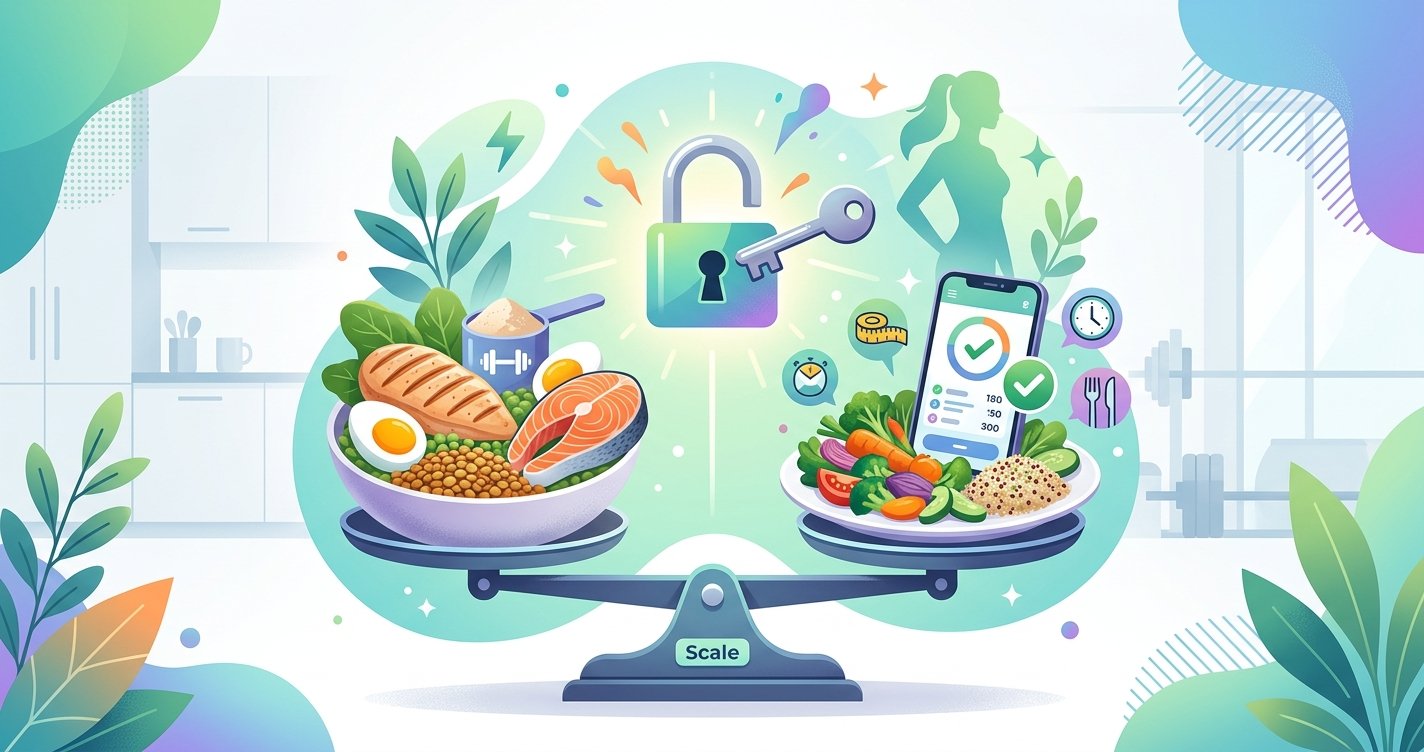
Ever feel like you’re stuck on a fat loss roller coaster – trying every new diet, seeing initial results, only to regain the weight (and then some)? You’re not alone. The world of fat loss is often clouded by fads, restrictive eating, and quick fixes that promise the moon but deliver disappointment. But what if we told you that achieving sustainable fat loss doesn't have to be complicated or miserable? What if the secret lies in two fundamental, evidence-based principles: a mindful calorie deficit and prioritizing protein intake?
Today, we're cutting through the noise to bring you a friendly, encouraging guide to these powerful strategies. We’ll explore why they work, how to implement them effectively, and how to build habits that lead to lasting results, not just temporary wins. Get ready to transform your approach to fat loss from a frustrating battle to an empowering journey! this excellent wellness product
Understanding the Calorie Deficit: Your Foundation for Fat Loss
Let's start with the absolute non-negotiable truth of fat loss: to lose fat, you must consume fewer calories than your body burns. This is known as creating a calorie deficit. Think of your body as an energy bank. If you deposit more calories (food) than you withdraw (daily activities, exercise, bodily functions), you store the excess, often as fat. To lose fat, you need to withdraw more than you deposit.
How Does a Calorie Deficit Work?
Your body constantly burns calories to fuel everything from breathing and digestion to walking and working out. This is your Total Daily Energy Expenditure (TDEE). When you consistently eat below your TDEE, your body is forced to tap into its stored energy reserves – primarily body fat – to make up the difference. It's a simple energy balance equation, but incredibly powerful.
Creating a Sustainable Deficit
The key here is sustainable. Drastic calorie cuts might lead to rapid initial weight loss, but they're often unsustainable, lead to muscle loss, nutrient deficiencies, and rebound weight gain. A modest deficit of 250-500 calories per day is generally recommended for healthy, steady fat loss (about 0.5-1 pound per week). This approach helps preserve muscle mass, keeps hunger manageable, and is much easier to stick with long-term.
Why Protein is Your Best Friend on a Fat Loss Journey
While a calorie deficit is the engine of fat loss, protein is your essential co-pilot, making the journey smoother and more effective. It's not just for bodybuilders; protein is critical for everyone aiming to lose fat and improve body composition.
1. Satiety and Reduced Cravings
Protein is king when it comes to keeping you feeling full and satisfied. It slows down digestion, which helps regulate hunger hormones and reduces the urge to snack unnecessarily. Imagine feeling content after a meal instead of constantly thinking about your next bite – that's the power of protein!
2. Higher Thermic Effect of Food (TEF)
Did you know your body burns calories just to digest and process the food you eat? This is called the Thermic Effect of Food (TEF). Protein has the highest TEF compared to carbohydrates and fats. This means you burn more calories digesting protein-rich meals, giving you a slight metabolic advantage.
3. Muscle Preservation
When you're in a calorie deficit, your body can sometimes break down muscle tissue for energy, not just fat. This is where protein steps in as your protector. Adequate protein intake, especially when combined with resistance training, helps signal your body to hold onto precious muscle mass. Why is this important? Muscle is metabolically active tissue, meaning it burns more calories at rest than fat does. Preserving muscle helps keep your metabolism humming, even while you’re losing fat.
Putting it into Practice: How to Create a Sustainable Calorie Deficit
Now that we understand the 'why,' let's get into the 'how.' Implementing these principles doesn't require extreme measures, but rather mindful choices.
1. Estimate Your Calorie Needs
You can use online TDEE (Total Daily Energy Expenditure) calculators as a starting point. Input your age, sex, weight, height, and activity level. Subtract 250-500 calories from this number to find your target daily intake for fat loss.
2. Track Your Intake (Initially)
For a few weeks, consider tracking your food intake using a free app like MyFitnessPal or Cronometer. This isn't about lifelong tracking, but about building awareness. It helps you understand portion sizes, calorie densities of foods, and how much protein you're actually consuming. Many people are surprised by what they learn!
3. Prioritize Whole, Unprocessed Foods
Focus on nutrient-dense foods that offer more bang for your caloric buck. Think lean proteins, vegetables, fruits, whole grains, and healthy fats. These foods keep you fuller for longer and provide essential vitamins and minerals, supporting overall health during your fat loss journey.
Smart Protein Choices: Fueling Your Body Right
Aim for roughly 1.6 to 2.2 grams of protein per kilogram of body weight per day for optimal fat loss and muscle preservation. Spread your protein intake throughout the day across your meals and snacks.
Excellent Protein Sources:
- Lean Meats: Chicken breast, turkey, lean beef, pork tenderloin.
- Fish & Seafood: Salmon, cod, tuna, shrimp, scallops.
- Eggs: Whole eggs are incredibly versatile and nutritious.
- Dairy: Greek yogurt, cottage cheese, milk, whey protein powder.
- Legumes: Lentils, beans, chickpeas (also great sources of fiber!).
- Plant-Based Proteins: Tofu, tempeh, edamame, seitan.
Try to include a good source of protein at every meal. For example, Greek yogurt with berries for breakfast, a chicken salad for lunch, and baked salmon with veggies for dinner.
Beyond Calories and Protein: Other Pillars of Sustainable Fat Loss
While calorie deficit and protein are paramount, they work best when supported by other healthy lifestyle habits. Think of these as the supporting cast for your fat loss success story.
1. Fiber-Rich Foods
Like protein, fiber contributes significantly to satiety, helping you feel full and manage cravings. It also supports digestive health. Load up on vegetables, fruits, whole grains, and legumes.
2. Hydration is Key
Drinking enough water is crucial. Sometimes, thirst can be mistaken for hunger, leading to unnecessary snacking. Plus, water supports metabolic processes and overall health.
3. Quality Sleep
Sleep deprivation can wreak havoc on your hunger hormones (ghrelin and leptin) and increase cortisol levels, making fat loss significantly harder. Aim for 7-9 hours of quality sleep per night.
4. Stress Management
Chronic stress also elevates cortisol, which can promote fat storage, especially around the midsection. Find healthy ways to manage stress, such as meditation, yoga, spending time in nature, or hobbies you enjoy.
5. Incorporate Strength Training
While not directly a nutrition strategy, resistance training is a powerful partner to your fat loss efforts. It helps build and preserve muscle mass, which boosts your metabolism and improves body composition. You don't need to become a bodybuilder – 2-3 sessions per week are a great start.
Navigating Challenges: Plateaus and Cravings
Even with the best plan, you might encounter plateaus or cravings. Don't get discouraged – these are normal parts of the journey!
Dealing with Plateaus
If your fat loss stalls for a couple of weeks, re-evaluate. Are you still accurately tracking? Has your activity level changed? Sometimes, a slight reduction in calories (another 100-200) or an increase in activity can restart progress. Occasionally, a strategic 'diet break' where you temporarily eat at maintenance calories for a week or two can also help reset your metabolism and mental state.
Managing Cravings
Cravings are often psychological. Try these strategies: drink a glass of water, wait 15-20 minutes (the craving might pass), have a protein-rich snack, or distract yourself with an activity. If you do indulge, do so mindfully and in moderation, then get right back on track with your next meal.
Your Journey to Lasting Fat Loss: A Friendly Reminder
Sustainable fat loss isn't about perfection; it's about consistency and progress. Embrace the process, learn from your experiences, and be patient with yourself. Focus on building habits that nourish your body, strengthen your resolve, and empower you to live a healthier, happier life.
By understanding the profound impact of a calorie deficit and the incredible benefits of protein, you're not just losing weight – you're building a foundation for lifelong health and vitality. You've got this!