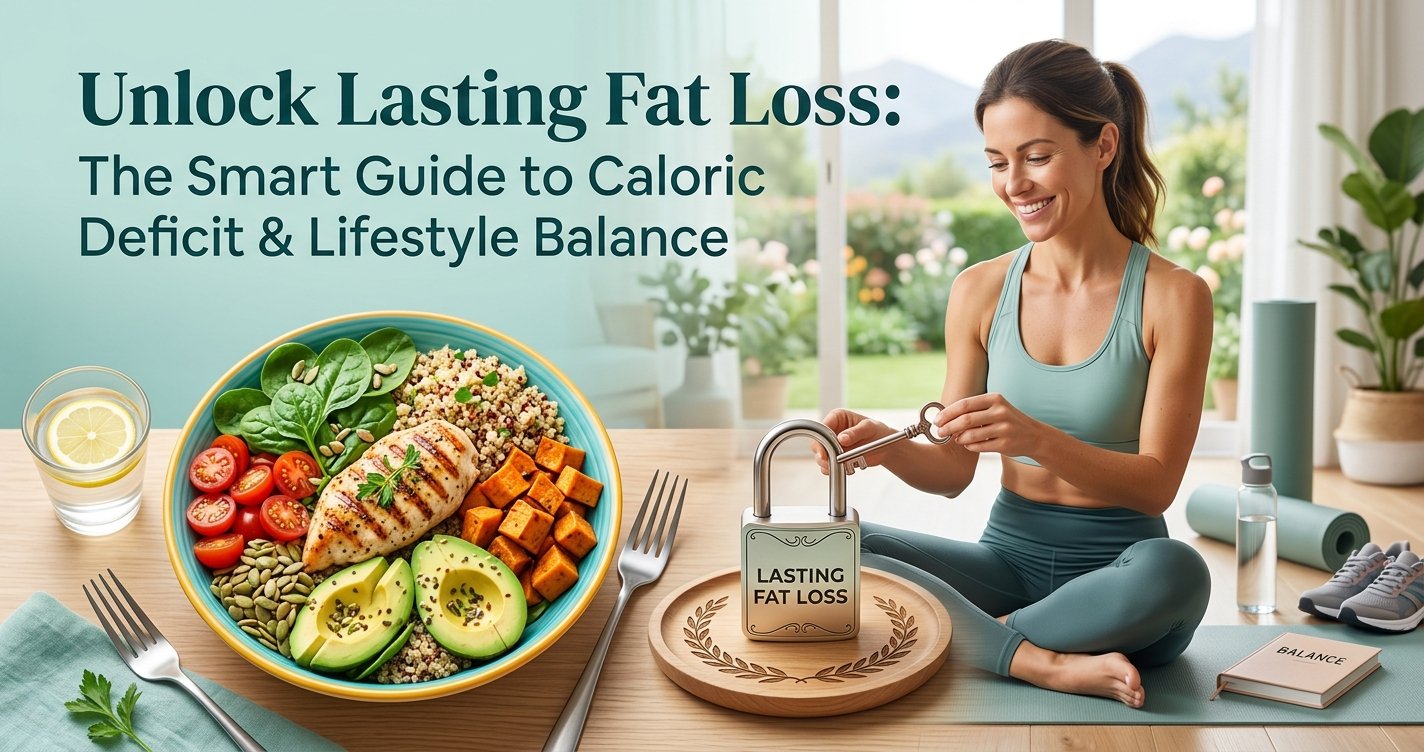
Tired of the Fat Loss Rollercoaster? Discover Sustainable Success!
Have you ever felt like you're constantly battling your body, trying every diet under the sun, only to see the numbers on the scale fluctuate wildly or, worse, creep back up? You're not alone. The world of fat loss is often clouded by fads and misinformation, promising quick fixes that rarely deliver lasting results. But what if there was a clear, evidence-based path to not just losing fat, but keeping it off for good? There is, and it starts with understanding the fundamental principle of a caloric deficit, combined with powerful, sustainable lifestyle changes.
This isn't about deprivation or extreme measures. It's about empowering you with the knowledge to make smart choices, understand your body, and build habits that support your health and physique goals long-term. We'll dive deep into the science of fat loss, offering practical, friendly, and encouraging advice every step of the way. Get ready to transform your approach to fat loss, moving beyond the scale to a healthier, happier you. this excellent wellness product
What Exactly is a Caloric Deficit? The Undeniable Foundation for Fat Loss
At its core, fat loss boils down to a simple, undeniable truth rooted in thermodynamics: you must consume fewer calories than your body expends. This state is known as a caloric deficit. Think of your body as a car. If you put less fuel in than you burn driving, your car eventually runs out of gas. Similarly, when you consistently provide your body with less energy (calories) than it needs to perform all its daily functions – from breathing and thinking to exercising – it's forced to tap into its stored energy reserves, primarily body fat, to make up the difference.
It's crucial to understand that a caloric deficit is the *only* mechanism by which your body loses fat. While specific diets (keto, low-carb, etc.) might appear to work by magic, their success ultimately comes down to creating this deficit, often by naturally reducing calorie intake due to food choices. Understanding this fundamental principle liberates you from chasing every new diet trend and empowers you to focus on what truly matters for sustainable fat loss.
Calculating Your Sweet Spot: How to Determine Your Ideal Caloric Deficit
So, how do you create this magical deficit without feeling constantly hungry or deprived? It starts with understanding your body's energy needs. Your Total Daily Energy Expenditure (TDEE) is the total number of calories your body burns in a 24-hour period, taking into account your Basal Metabolic Rate (BMR – calories burned at rest) and your activity level.
Here's how to approach it:
- Estimate Your TDEE: Online TDEE calculators are a great starting point. You'll typically input your age, gender, height, weight, and activity level. Remember, these are estimates, but they provide a solid foundation.
- Establish a Safe Deficit: For sustainable and healthy fat loss, aim for a deficit of 300-500 calories below your calculated TDEE. This typically translates to a healthy fat loss rate of 1-2 pounds per week. A larger deficit might lead to faster initial weight loss, but it's often unsustainable, can lead to muscle loss, nutrient deficiencies, and rebound weight gain.
- Track Your Intake: For a period, try tracking your food intake using a reliable app. This isn't forever, but it helps you become aware of the calorie content of your usual meals and identify areas where you can make mindful adjustments.
- Listen to Your Body and Adjust: Your TDEE is an estimate, and your body is unique. Monitor your progress over a few weeks. If you're consistently losing fat at a healthy rate and feeling good, you're on the right track. If not, make small, incremental adjustments to your calorie intake or activity level.
The goal isn't perfection, but consistency and awareness. This personalized approach ensures you're fueling your body adequately while still making progress towards your fat loss goals.
Fueling Your Body Right: Smart Nutrition Strategies for Fat Loss
Creating a caloric deficit doesn't mean eating less of everything; it means eating smarter. Focusing on nutrient-dense, satisfying foods is key to feeling full, energized, and nourished throughout your fat loss journey.
Prioritize Protein for Satiety and Muscle Preservation
Protein is your best friend when it comes to fat loss. It's incredibly satiating, meaning it helps you feel fuller for longer, reducing the urge to snack. Crucially, adequate protein intake helps preserve lean muscle mass when you're in a caloric deficit. More muscle means a higher resting metabolism, making it easier to burn calories even at rest. Aim for a good source of protein at every meal. Think lean meats, poultry, fish, eggs, dairy, legumes, and tofu.
Embrace Fiber-Rich Foods for Digestive Health and Fullness
Fiber-rich foods, primarily fruits, vegetables, and whole grains, are another cornerstone of a successful fat loss diet. Fiber adds bulk to your meals without adding many calories, helping you feel satisfied. It also aids digestion, stabilizes blood sugar levels, and provides essential vitamins and minerals. Load up your plate with colorful veggies, choose whole fruits over juice, and opt for whole grains like oats, quinoa, and brown rice.
Don't Fear Healthy Fats: Essential for Hormones and Absorption
While fats are calorie-dense, healthy fats are vital for hormone production, nutrient absorption, and overall health. They also contribute to satiety. Incorporate sources like avocados, nuts, seeds, olive oil, and fatty fish (like salmon) in moderation. The key is portion control, as their calorie count can add up quickly.
Hydration: Your Unsung Hero in Fat Loss
Often overlooked, adequate water intake plays a significant role in fat loss. Water helps with metabolism, can reduce feelings of hunger (sometimes thirst is mistaken for hunger), and supports overall bodily functions. Aim for at least 8 glasses of water a day, and consider drinking a glass before meals to aid satiety.
Beyond the Kitchen: Maximizing Fat Loss with Movement and Exercise
While nutrition creates the caloric deficit, exercise accelerates fat loss, preserves muscle, and offers a host of other health benefits. It's about finding movement you enjoy and integrating it consistently into your life.
Strength Training: Build Muscle, Boost Metabolism
Don't skip the weights! Strength training is incredibly effective for fat loss. As mentioned, it helps preserve and even build muscle mass while you're in a deficit. More muscle means a higher metabolic rate, burning more calories throughout the day, even when you're not exercising. Aim for 2-3 full-body strength training sessions per week, focusing on compound movements that work multiple muscle groups.
Cardio: Burn Calories, Improve Heart Health
Cardiovascular exercise directly burns calories and improves your heart health and endurance. Whether you prefer steady-state cardio (like brisk walking, jogging, cycling) or High-Intensity Interval Training (HIIT), find what you enjoy. A mix of both can be highly effective: steady-state for sustained calorie burn and recovery, and HIIT for boosting metabolism and improving fitness in shorter bursts. Aim for at least 150 minutes of moderate-intensity cardio or 75 minutes of vigorous-intensity cardio per week.
NEAT: The Unseen Calorie Burn
Non-Exercise Activity Thermogenesis (NEAT) refers to the calories you burn through activities that are not formal exercise – walking, fidgeting, gardening, cleaning, taking the stairs instead of the elevator. Increasing your NEAT can significantly contribute to your daily calorie expenditure without feeling like a chore. Look for opportunities to move more throughout your day!
The Holistic Approach: Lifestyle Pillars for Sustainable Fat Loss
Fat loss isn't just about calories in and calories out; it's deeply intertwined with your overall lifestyle. Addressing these often-overlooked factors can make all the difference in your journey.
Sleep Your Way to Success: The Impact of Rest on Hormones
Poor sleep can sabotage your fat loss efforts. When you're sleep-deprived, your body produces more ghrelin (the hunger hormone) and less leptin (the satiety hormone), leading to increased cravings and a tendency to overeat. It also elevates cortisol, the stress hormone, which can promote fat storage, particularly around the belly. Aim for 7-9 hours of quality sleep per night to support hormonal balance and energy levels.
Stress Management: Taming Cortisol for Better Body Composition
Chronic stress also leads to elevated cortisol levels. Beyond increasing fat storage, high cortisol can lead to emotional eating and hinder your ability to stick to healthy habits. Incorporate stress-reducing activities into your daily routine: meditation, yoga, spending time in nature, reading, or simply enjoying a relaxing hobby. Prioritizing mental well-being is crucial for physical transformation.
Mindful Eating: Connecting with Your Body's Cues
Mindful eating involves paying attention to your food, recognizing hunger and fullness cues, and savoring each bite. It helps prevent overeating, improves digestion, and fosters a healthier relationship with food. Slow down, put away distractions, and truly taste your meals.
Consistency and Patience: The Marathon, Not a Sprint
Sustainable fat loss is a journey, not a destination. There will be good days and challenging days. The key is consistency over perfection. Don't get discouraged by minor setbacks. Focus on the long game, celebrate small victories, and understand that progress isn't always linear. Your body needs time to adapt, and building lasting habits takes patience.
Navigating Plateaus and Staying Motivated on Your Journey
At some point, you might hit a fat loss plateau. This is normal! Your body is incredibly adaptive, and as you lose weight, your TDEE naturally decreases. Don't panic; it's an opportunity to reassess.
Strategies for Overcoming Plateaus:
- Re-evaluate Your Caloric Deficit: As you lose weight, your body requires fewer calories. Recalculate your TDEE and adjust your intake accordingly.
- Increase NEAT or Exercise Intensity: Add more steps to your day or slightly increase the intensity/duration of your workouts.
- Prioritize Protein Intake: Ensure you're getting enough protein to support muscle and satiety.
- Consider a Diet Break: A short period (1-2 weeks) at maintenance calories can sometimes help reset hormones and provide a mental break before resuming your deficit.
Staying motivated is about connecting with your 'why.' Why did you start this journey? What does sustainable fat loss mean for your life? Track progress beyond the scale: take photos, measure inches, notice improvements in energy, strength, and mood. Surround yourself with supportive people and remember to be kind to yourself through the process.
Your Sustainable Fat Loss Journey Starts Now!
Achieving lasting fat loss isn't about chasing fleeting trends; it's about embracing fundamental scientific principles and integrating them into a holistic, healthy lifestyle. By understanding the power of a caloric deficit, fueling your body with nutrient-dense foods, engaging in consistent movement, and prioritizing sleep and stress management, you're not just losing fat – you're building a stronger, healthier, and more vibrant you.
This journey requires patience, consistency, and self-compassion. There will be ups and downs, but every step you take towards a healthier lifestyle is a victory. Start small, stay consistent, and trust the process. You have the power to create sustainable change and unlock the lasting fat loss you deserve. What's one small change you can make today to kickstart your journey?