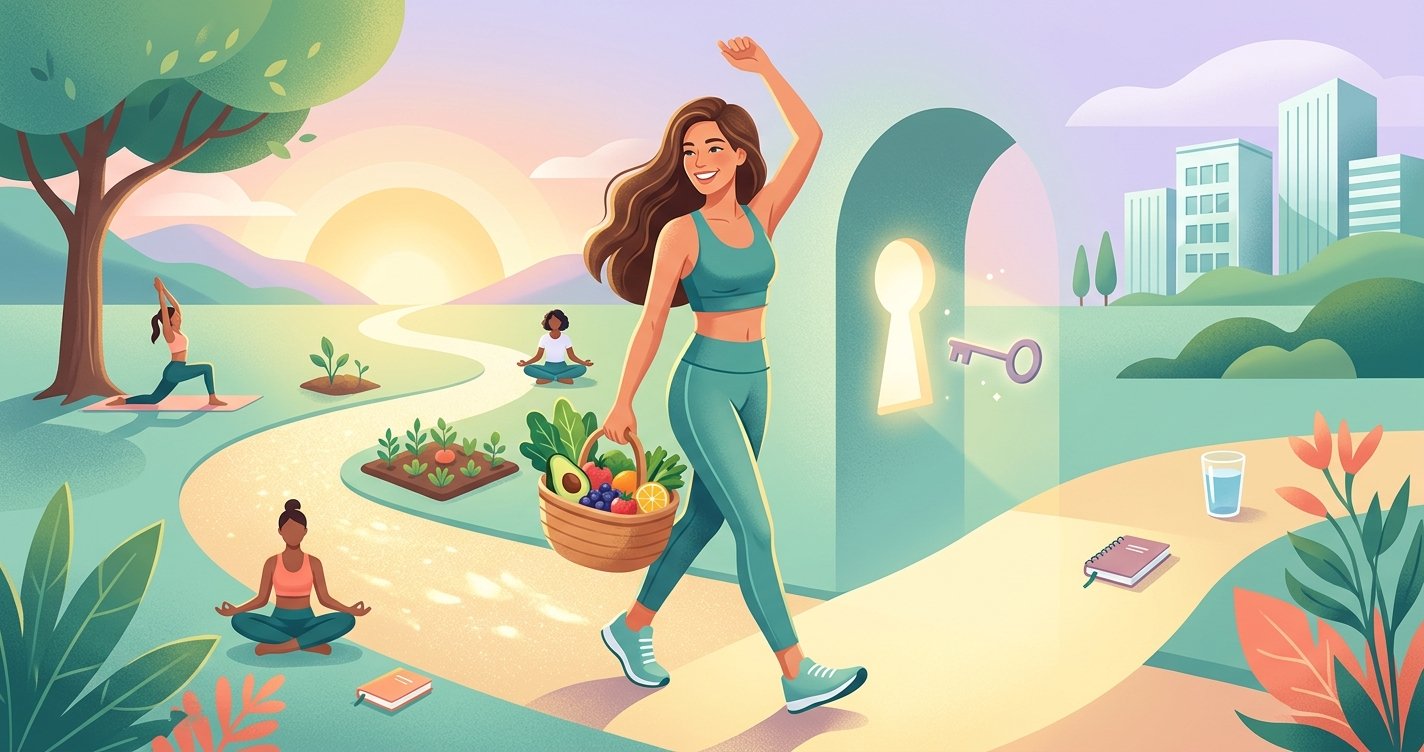
Are you tired of the endless cycle of restrictive diets, quick fixes, and the inevitable rebound? Many of us have been there, chasing the latest fad only to find ourselves back at square one, feeling frustrated and defeated. What if we told you there's a more effective, kinder, and ultimately more sustainable path to achieving your fat loss goals? It's not about deprivation; it's about empowerment, understanding your body, and building habits that last a lifetime.
This isn't another diet plan. Instead, we're diving deep into the world of sustainable fat loss – a holistic approach that prioritizes your well-being over temporary results. We'll explore evidence-based strategies, shift your mindset from restriction to nourishment, and equip you with practical tools to make lasting changes. Get ready to ditch the diet mentality and embrace a journey that truly transforms your health and relationship with your body. this excellent wellness product
Why “Dieting” Often Fails: Understanding the Cycle
Before we build a new approach, let's understand why traditional, restrictive dieting often falls short. The allure of rapid weight loss can be powerful, but the mechanisms behind these diets often set us up for failure, both physiologically and psychologically. It’s a frustrating loop many find themselves in, leading to a sense of inadequacy rather than true progress.
The Metabolism Myth and Reality
When you drastically cut calories, your body, in its ancient wisdom, thinks it's starving. It adapts by slowing down your metabolism to conserve energy. This is often referred to as 'metabolic adaptation.' While not a complete shutdown, it means you burn fewer calories at rest. So, what initially led to quick weight loss eventually plateaus, and maintaining that lower weight becomes incredibly challenging. Often, when you return to normal eating patterns, your body is primed to regain weight, sometimes even more than before, leading to the dreaded 'yo-yo effect.'
Psychological Impact of Restriction
Beyond the physical, the mental toll of dieting is immense. Constant restriction can lead to increased cravings, obsessive thoughts about food, and a pervasive sense of deprivation. This can manifest as irritability, anxiety, and even depression. When the willpower inevitably breaks, it often results in overeating or binge eating, followed by guilt and shame. This 'all-or-nothing' mindset creates an unhealthy relationship with food, where food becomes the enemy rather than a source of nourishment and enjoyment.
Shifting Your Mindset: From Restriction to Nourishment
The first and most crucial step towards sustainable fat loss is a fundamental shift in how you view food and your body. Instead of focusing on what you can't have, let's focus on what you can do to nourish your body and support its natural ability to thrive.
Mindful Eating: Connecting with Your Body's Cues
Mindful eating isn't a diet; it's a practice. It involves paying full attention to your food – its smell, taste, texture – and, crucially, to your body's hunger and fullness signals. Are you truly hungry, or is it boredom, stress, or habit? Eating slowly, without distractions, allows your brain time to register satiety, preventing overeating. It helps you savor your meals, making eating a more enjoyable and satisfying experience. Start by putting your fork down between bites, chewing thoroughly, and asking yourself if you're still hungry halfway through your meal.
Prioritizing Protein and Fiber: The Satiety Powerhouses
When you nourish your body with the right nutrients, it responds by feeling more satisfied and energized. Two key players in this are protein and fiber. Protein is essential for building and repairing tissues, and it has a high thermic effect, meaning your body burns more calories digesting it. More importantly, protein keeps you feeling full for longer, reducing cravings and unnecessary snacking. Think lean meats, fish, eggs, dairy, legumes, and tofu.
Fiber, found in fruits, vegetables, whole grains, and legumes, adds bulk to your meals without adding many calories. It slows down digestion, helps regulate blood sugar, and contributes significantly to satiety. Aim to include a good source of protein and fiber at every meal to feel fuller, longer, and naturally reduce your overall calorie intake without feeling deprived.
Beyond the Plate: Lifestyle Pillars for Sustainable Fat Loss
Fat loss isn't just about what you eat; it's intricately linked to your overall lifestyle. Neglecting crucial aspects like sleep, stress, and movement can sabotage even the most well-intentioned dietary efforts. Let's explore these often-overlooked but incredibly powerful pillars.
The Crucial Role of Sleep
In our busy lives, sleep is often the first thing to be sacrificed. However, chronic sleep deprivation wreaks havoc on your hormones, specifically those that regulate hunger and satiety. Lack of sleep can increase ghrelin (the hunger hormone) and decrease leptin (the satiety hormone), leading to increased appetite, cravings for sugary and fatty foods, and reduced willpower. Aim for 7-9 hours of quality sleep per night. Prioritize a consistent sleep schedule, create a relaxing bedtime routine, and make your bedroom a sanctuary for rest.
Stress Management: Taming Cortisol
Chronic stress triggers the release of cortisol, often called the 'stress hormone.' While essential in small bursts, consistently high cortisol levels can promote fat storage, particularly around the abdominal area. It can also increase appetite and cravings for comfort foods. Finding healthy ways to manage stress is paramount for sustainable fat loss. This could include meditation, yoga, spending time in nature, journaling, deep breathing exercises, or engaging in hobbies you enjoy. Identify your stress triggers and develop strategies to address them proactively.
Smart Movement: Finding Joy in Activity
You don't need to spend hours in the gym or become a marathon runner to achieve sustainable fat loss. The key is consistent movement that you genuinely enjoy. Exercise helps build muscle (which boosts metabolism), improves mood, reduces stress, and burns calories. Find activities that excite you – dancing, hiking, cycling, swimming, team sports, or even just regular brisk walking. The goal is to make movement a natural, enjoyable part of your day, not a punishment. Aim for a mix of cardiovascular activity and strength training for optimal results.
Building Your Sustainable Toolkit: Practical Steps
Now that we've covered the foundational principles, let's talk about actionable steps you can integrate into your daily life to support your fat loss journey.
Small, Consistent Changes Over Big Leaps
The most successful transformations are rarely born from drastic, overnight overhauls. Instead, they come from small, consistent changes that accumulate over time. Trying to change everything at once is overwhelming and unsustainable. Pick one or two habits to focus on each week or month. Maybe it's adding a vegetable to every meal, drinking more water, or taking a 15-minute walk daily. Celebrate these small victories, as they build momentum and confidence for future changes.
Tracking Progress Beyond the Scale
While the scale can be a useful tool, it doesn't tell the whole story, especially when you're building muscle and reducing fat. Focus on a variety of metrics to track your progress: how your clothes fit, energy levels, strength gains, improved sleep, better mood, and even measurements. Taking progress photos can also be incredibly motivating. Remember, muscle weighs more than fat by volume, so the scale might not always reflect your body composition changes accurately. Celebrate non-scale victories!
Embracing Patience and Self-Compassion
The journey to sustainable fat loss is a marathon, not a sprint. There will be good days and challenging days. Progress isn't linear, and setbacks are a natural part of any long-term change. This is where patience and self-compassion become your most powerful allies.
Be kind to yourself. If you have an off day or make a less-than-optimal food choice, don't let it derail your entire effort. Acknowledge it, learn from it, and get back on track with your next meal or activity. Punishing yourself only breeds guilt and can lead back to the cycle of restriction and overeating. Treat yourself with the same understanding and encouragement you would offer a dear friend.
Conclusion: Your Journey to Lasting Well-being
Sustainable fat loss isn't about chasing an arbitrary number on the scale; it's about building a healthier, happier, and more energized you. By ditching the restrictive diet mentality and embracing a holistic approach that prioritizes mindful eating, protein and fiber, quality sleep, stress management, and joyful movement, you're setting yourself up for success that truly lasts. This is a journey of self-discovery and empowerment, where every small, consistent step forward contributes to a lifetime of well-being. Start today, be patient, and trust the process – your body and mind will thank you.