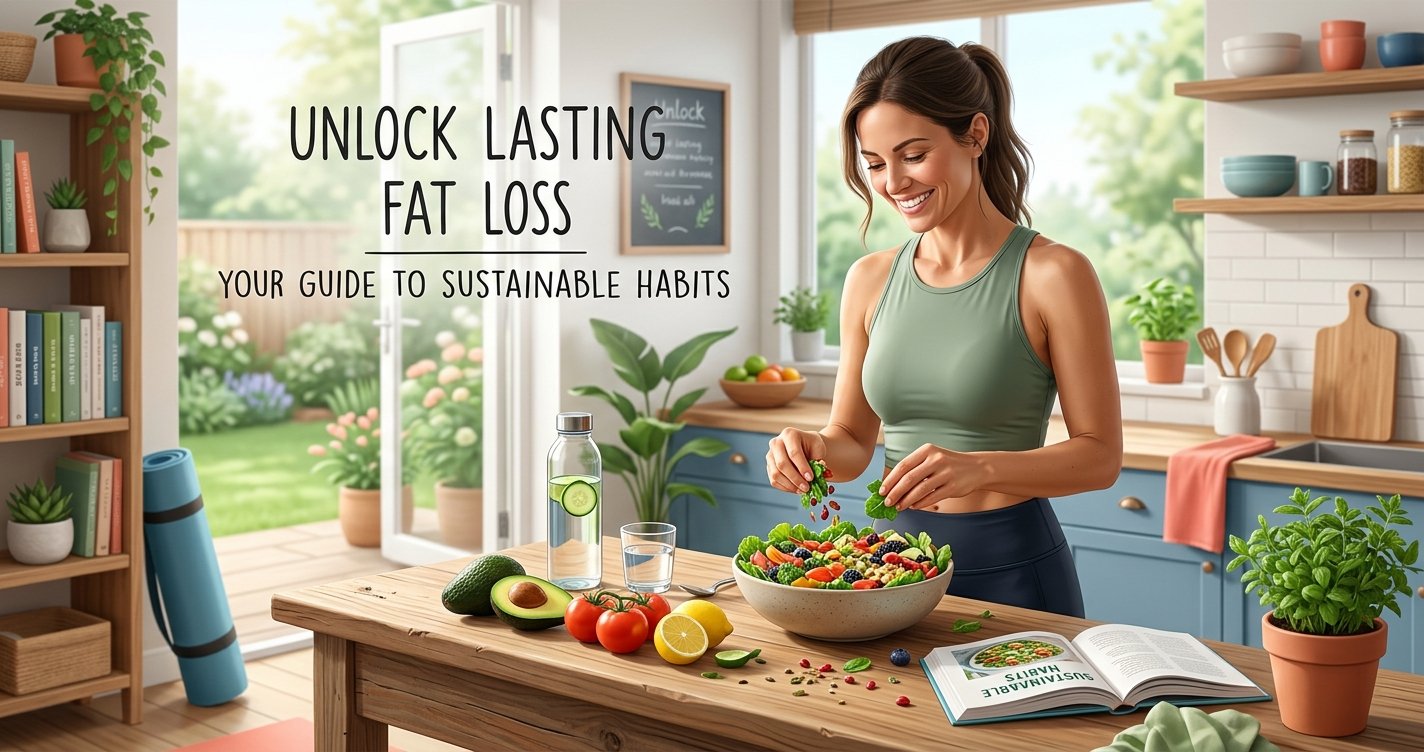
Are you tired of the endless cycle of crash diets, quick fixes, and the frustration of seeing the scale yo-yo? You’re not alone. Many of us have been lured by the promise of rapid fat loss, only to find ourselves burnt out, deprived, and often heavier than when we started. The truth is, sustainable fat loss isn’t about extreme measures; it’s about cultivating habits that nourish your body and mind for the long haul. This isn't just about looking good; it's about feeling great, having more energy, and building a healthier, happier life.
In this guide, we’ll dive deep into an evidence-based approach to fat loss that focuses on consistency, enjoyment, and real-life applicability. We’ll ditch the restrictive mindsets and embrace practical strategies that empower you to achieve lasting results without sacrificing your well-being. Get ready to transform your relationship with food, exercise, and your body, one sustainable step at a time. this excellent wellness product
Why Crash Diets Don't Work (and Often Backfire)
The allure of losing a significant amount of weight in a short period is powerful, but crash diets rarely deliver on their long-term promises. Here’s why these extreme approaches often lead to frustration and rebound weight gain:
- Metabolic Adaptation: When you drastically cut calories, your body perceives it as starvation and slows down your metabolism to conserve energy. This makes it harder to lose fat and easier to regain weight once you return to normal eating patterns.
- Muscle Loss: Rapid weight loss often includes a significant amount of muscle tissue, not just fat. Muscle is metabolically active, meaning it burns more calories at rest. Losing muscle further hinders your metabolism and makes fat loss more challenging in the long run.
- Nutrient Deficiencies: Highly restrictive diets often eliminate entire food groups, leading to deficiencies in essential vitamins, minerals, and macronutrients crucial for overall health and energy.
- Psychological Toll: Constant hunger, cravings, irritability, and the feeling of deprivation are hallmarks of crash dieting. This can lead to disordered eating patterns, guilt, shame, and a negative relationship with food.
- Unsustainability: By their very nature, crash diets are not designed to be maintained. They’re temporary fixes, and once you stop, the old habits and weight often return with a vengeance.
Instead of battling your body with extreme measures, let’s learn how to work with it for lasting success.
The Foundation: Calorie Awareness, Not Obsession
At its core, fat loss requires a calorie deficit – you need to consume slightly fewer calories than your body expends. However, this doesn't mean meticulously counting every single calorie for the rest of your life. It means cultivating awareness.
Understanding Your Energy Needs
Start by getting a general idea of your Basal Metabolic Rate (BMR) – the calories your body burns at rest – and your Total Daily Energy Expenditure (TDEE), which includes your activity levels. Online calculators can provide estimates. Aim for a moderate deficit of 300-500 calories below your TDEE for sustainable fat loss (typically 1-2 pounds per week).
Focus on Quality Over Strict Counting
While a deficit is key, the source of your calories matters immensely. Prioritizing whole, unprocessed foods naturally leads to better satiety and nutrient intake, making a deficit feel less restrictive. Think nutrient density: a handful of almonds offers more satiety and nutrients than a handful of candy, even if the calories are similar.
Fuel Your Body Right: Prioritizing Protein and Fiber
What you eat is just as important as how much. Focusing on two key macronutrients – protein and fiber – can significantly impact your fat loss journey.
The Power of Protein
Protein is your best friend for fat loss. Here’s why:
- Satiety: Protein keeps you feeling fuller for longer, reducing cravings and overall calorie intake.
- Muscle Preservation: Adequate protein intake is crucial for preserving muscle mass during a calorie deficit, which helps maintain your metabolism.
- Thermic Effect of Food (TEF): Protein has a higher TEF than carbs or fats, meaning your body burns more calories digesting it.
Aim for 0.7-1 gram of protein per pound of body weight daily. Excellent sources include lean meats, poultry, fish, eggs, dairy, legumes, and protein supplements.
Fiber for Fullness and Gut Health
Fiber-rich foods add bulk to your meals without adding many calories. This helps you feel full and satisfied. Furthermore, fiber supports a healthy gut microbiome, which is increasingly linked to weight management and overall health.
Load up on fruits, vegetables, whole grains, and legumes to boost your fiber intake.
Move More, Live Better: Beyond Just Cardio
Exercise is a critical component of sustainable fat loss, but it's not just about endless hours on the treadmill. A well-rounded approach is key.
Embrace Strength Training
If you're not already lifting weights, now is the time to start! Strength training builds and preserves muscle mass, which is vital for boosting your metabolism and shaping your body. Aim for 2-4 strength training sessions per week, focusing on compound movements that work multiple muscle groups.
Find Movement You Enjoy
While structured exercise is important, don't underestimate the power of simply moving more throughout your day. This is often referred to as Non-Exercise Activity Thermogenesis (NEAT). Take the stairs, walk during phone calls, park further away, or take up a hobby like dancing or hiking. The more you move, the more calories you burn, and the better you'll feel.
Prioritize Consistency Over Intensity
It's better to do something consistently than to do sporadic, intense workouts that lead to burnout. Find activities you genuinely enjoy, and make them a regular part of your routine.
The Power of Habits: Small Changes, Big Results
Sustainable fat loss isn't about grand gestures; it's about building consistent, positive habits over time. Think of it like compounding interest – small, consistent efforts yield significant returns.
- Start Small: Don't try to overhaul everything at once. Pick one or two habits to focus on, like adding a serving of vegetables to each meal or going for a 15-minute walk daily. Master those, then add another.
- Be Patient: Fat loss is a marathon, not a sprint. There will be plateaus and setbacks, but consistency is what truly matters. Celebrate non-scale victories like increased energy, better sleep, or clothes fitting differently.
- Plan Ahead: Meal prepping, packing healthy snacks, and scheduling workouts can prevent impulsive, less healthy choices when life gets busy.
- Hydrate: Often overlooked, drinking enough water can help with satiety, metabolism, and overall energy levels.
Mindset Matters: Cultivating Patience and Self-Compassion
Your mental game is just as important as your physical efforts. A positive, patient mindset can make all the difference.
Address Emotional Eating
Many of us turn to food for comfort, stress relief, or boredom. Learning to identify these triggers and finding alternative coping mechanisms (e.g., journaling, meditation, calling a friend, going for a walk) is crucial for long-term success.
Prioritize Sleep and Stress Management
Lack of sleep and chronic stress can wreak havoc on your hormones, leading to increased cravings, fat storage (especially around the belly), and reduced willpower. Aim for 7-9 hours of quality sleep per night and incorporate stress-reducing practices into your daily routine (e.g., mindfulness, deep breathing, spending time in nature).
Practice Self-Compassion
You are human, and you will have off days. Don't let one 'bad' meal or missed workout derail your entire journey. Forgive yourself, learn from it, and get back on track with kindness. Sustainable fat loss is about progress, not perfection.
Putting It All Together: Your Blueprint for Lasting Success
Ready to ditch the dieting roller coaster and embrace a healthier, more sustainable path? Here's a summary of actionable steps you can take:
- Understand Your Energy Needs: Get a general idea of your TDEE and aim for a moderate calorie deficit (300-500 calories).
- Prioritize Protein: Include a lean protein source at every meal to boost satiety and preserve muscle.
- Load Up on Fiber: Fill your plate with plenty of fruits, vegetables, and whole grains.
- Embrace Strength Training: Lift weights 2-4 times a week to build muscle and boost metabolism.
- Move More Daily: Increase your NEAT by finding enjoyable ways to be active throughout the day.
- Stay Hydrated: Drink plenty of water.
- Prioritize Sleep and Manage Stress: Support your body's natural fat-burning processes.
- Cultivate Patience and Self-Compassion: Celebrate small wins and be kind to yourself on your journey.
Your Journey to a Healthier You Starts Now
Sustainable fat loss is not about deprivation; it's about empowerment. It's about making conscious choices that align with your long-term health goals, one day at a time. By focusing on nutrient-dense foods, consistent movement, and a positive mindset, you're not just losing fat – you're building a healthier, more vibrant life that you can truly enjoy.
Forget the quick fixes. Embrace the journey. Your body and mind will thank you for it.