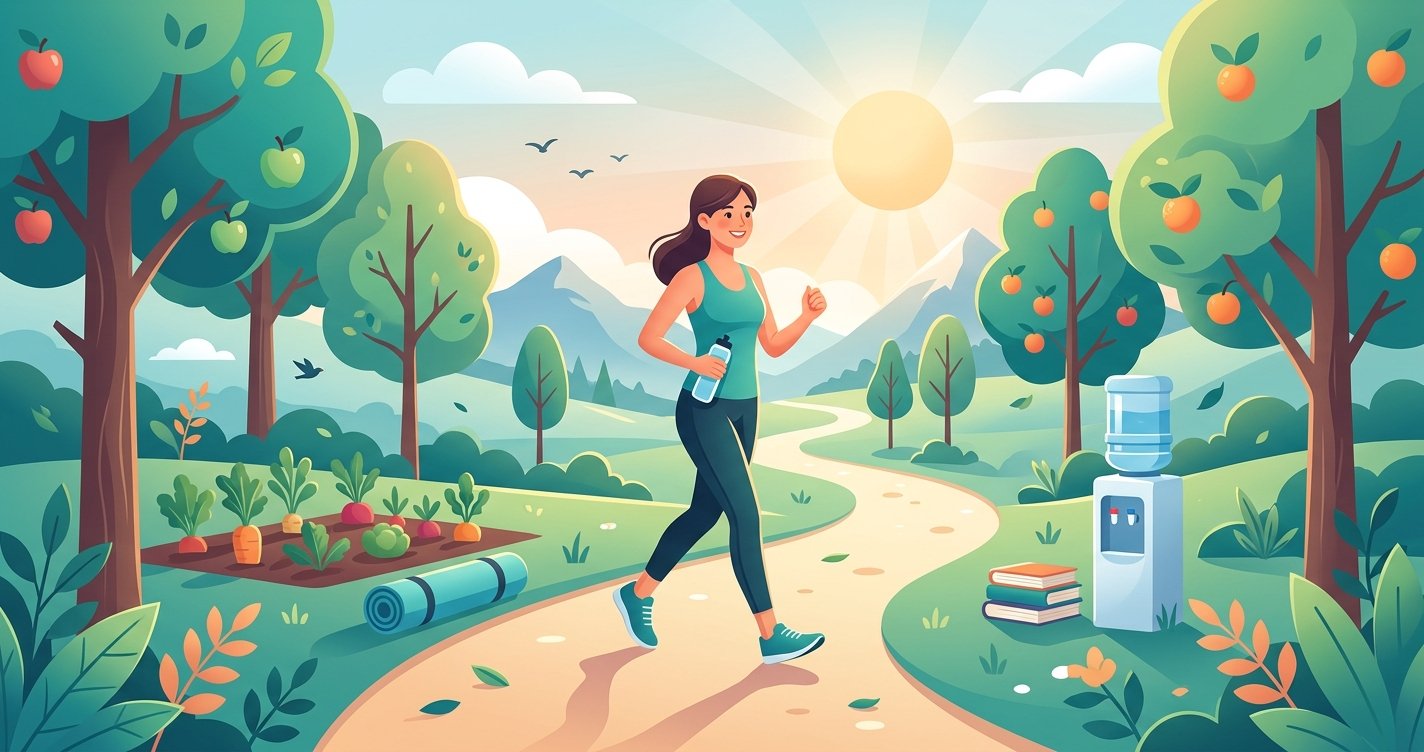
Unlock Lasting Fat Loss: Your Friendly Guide to Sustainable Habits (No Crash Diets Needed!)
Are you tired of the endless cycle of crash diets, restrictive eating, and the frustrating rebound effect? You’re not alone. Millions of people embark on strict weight loss journeys only to find themselves back where they started, often feeling more disheartened than before. The good news? Sustainable fat loss isn't about deprivation; it's about building healthy habits that last a lifetime. This friendly, evidence-based guide will show you how to ditch the diet mentality and embrace a lifestyle that supports genuine, long-term well-being and a leaner, healthier you.
Forget the quick fixes and extreme measures. True, lasting fat loss comes from understanding your body, nourishing it wisely, moving it joyfully, and prioritizing your overall health. Let's dive into how you can achieve your fat loss goals in a way that feels good, is sustainable, and actually works! this excellent wellness product
Why "Dieting" Often Leads to Disappointment (And What to Do Instead)
The traditional diet industry thrives on the promise of rapid results, often encouraging severe calorie restriction or cutting out entire food groups. While these methods might lead to initial weight loss, they rarely result in sustainable fat loss. Why?
- Metabolic Adaptation: Your body is incredibly smart. When you drastically cut calories, your metabolism can slow down to conserve energy, making further fat loss harder.
- Nutrient Deficiencies: Restrictive diets often lead to a lack of essential vitamins and minerals, impacting your energy levels, mood, and overall health.
- Psychological Toll: Constant hunger, cravings, and the feeling of deprivation can lead to emotional distress, binge eating, and a negative relationship with food.
- Unsustainable: Most restrictive diets are simply not enjoyable or practical to maintain long-term. Life happens, and these diets often leave no room for flexibility or social enjoyment.
Instead of dieting, we’re going to focus on lifestyle changes. These are small, consistent shifts that accumulate over time to create a powerful impact on your body composition and health without the suffering associated with traditional diets.
Mindful Eating: The Foundation of Sustainable Fat Loss
Your relationship with food is perhaps the most critical component of sustainable fat loss. It's not just about what you eat, but how and why you eat.
Focus on Whole, Nutrient-Dense Foods
Prioritizing whole, unprocessed foods is a game-changer. These foods are packed with nutrients, fiber, and protein, which keep you feeling full and satisfied, making it easier to manage your calorie intake naturally.
- Lean Proteins: Chicken, fish, eggs, tofu, legumes. Protein is crucial for muscle repair, satiety, and has a higher thermic effect (meaning your body burns more calories digesting it).
- Fiber-Rich Vegetables and Fruits: Broccoli, spinach, berries, apples. Fiber aids digestion, helps regulate blood sugar, and contributes to fullness.
- Healthy Fats: Avocados, nuts, seeds, olive oil. Healthy fats are essential for hormone production, nutrient absorption, and provide sustained energy.
- Complex Carbohydrates: Whole grains like oats, quinoa, brown rice. These provide steady energy without the blood sugar spikes and crashes associated with refined carbs.
By focusing on these foods, you naturally reduce your intake of highly processed, calorie-dense, and nutrient-poor options.
Listen to Your Body's Cues
One of the most powerful tools for fat loss is learning to listen to your body's natural hunger and fullness signals. This is often referred to as intuitive eating.
- Eat When You’re Hungry: Pay attention to physical hunger cues, not just emotional triggers or external schedules.
- Eat Slowly and Savor: Put down your fork between bites, chew thoroughly, and enjoy your meal. It takes about 20 minutes for your stomach to signal fullness to your brain.
- Stop When You’re Satisfied, Not Stuffed: Aim for a comfortable level of fullness, where you feel content but not overly full or uncomfortable.
Hydration Matters More Than You Think
Often overlooked, adequate water intake plays a vital role in fat loss. Water helps your metabolism function optimally, can help you feel fuller, and is essential for countless bodily processes. Aim for at least 8 glasses (around 2 liters) of water daily, and more if you're active.
Move Your Body, Elevate Your Life: Exercise for Lasting Results
Exercise isn't just about burning calories; it's about building strength, improving cardiovascular health, boosting mood, and enhancing overall body composition. The key is finding activities you enjoy, making them sustainable, and embracing consistency.
Embrace Strength Training
While cardio is great for heart health and calorie burning, strength training is your secret weapon for fat loss. Building and maintaining muscle mass is crucial because muscle is metabolically active, meaning it burns more calories at rest than fat does. This helps boost your metabolism over the long term.
- Compound Movements: Squats, deadlifts, push-ups, rows work multiple muscle groups and are highly effective.
- Consistency: Aim for 2-3 strength training sessions per week. You can use weights, resistance bands, or even just your body weight.
- Progressive Overload: Gradually increase the challenge (more weight, reps, sets) as you get stronger.
Find Joy in Movement (Beyond the Gym)
Not everyone loves the gym, and that's perfectly fine! The best exercise is the one you'll actually do. Incorporate more movement into your daily life:
- Walk More: Take the stairs, park further away, go for a brisk walk during your lunch break. Aim for 7,000-10,000 steps a day.
- Find a Hobby: Dancing, hiking, cycling, swimming, gardening – choose activities that make you feel good and bring you joy.
- NEAT (Non-Exercise Activity Thermogenesis): Fidgeting, standing instead of sitting, household chores – these small movements add up throughout the day and contribute significantly to your overall calorie expenditure.
The Hidden Pillars: Sleep, Stress, and Hormonal Harmony
You can eat perfectly and exercise consistently, but if you neglect sleep and stress management, your fat loss efforts will be severely hampered. These factors profoundly impact your hormones, which regulate everything from hunger to fat storage.
The Power of Quality Sleep
Sleep deprivation throws your hormones out of whack, directly impacting your appetite and metabolism. Studies consistently show a strong link between insufficient sleep and increased body fat, particularly around the abdomen.
- Ghrelin and Leptin: Lack of sleep increases ghrelin (the hunger hormone) and decreases leptin (the satiety hormone), leading to increased appetite and cravings, especially for high-carb, high-fat foods.
- Cortisol: Poor sleep elevates cortisol, the stress hormone, which can promote fat storage, especially visceral fat (around your organs).
Aim for 7-9 hours of quality sleep per night. Establish a consistent sleep schedule, create a relaxing bedtime routine, and optimize your sleep environment (dark, cool, quiet).
Managing Stress for a Leaner You
Chronic stress, like lack of sleep, keeps cortisol levels elevated. This not only encourages fat storage but can also lead to emotional eating as a coping mechanism.
- Mindfulness and Meditation: Even 10-15 minutes a day can significantly reduce stress.
- Deep Breathing Exercises: Simple techniques can calm your nervous system.
- Hobbies and Social Connection: Engage in activities you enjoy and spend time with supportive people.
- Prioritize Self-Care: Make time for activities that recharge you, whether it's reading, taking a bath, or spending time in nature.
Cultivating a Resilient Mindset: Patience, Consistency, and Self-Compassion
Sustainable fat loss is a marathon, not a sprint. Your mindset is your greatest asset on this journey.
- Patience is Key: Results won't happen overnight. Celebrate small victories and understand that progress isn't always linear. There will be plateaus, and that's normal.
- Consistency Over Perfection: It's better to be consistently good than occasionally perfect. Don't let one "off" meal or missed workout derail your entire journey. Get back on track at your next opportunity.
- Focus on Health, Not Just Weight: Shift your focus from the number on the scale to how you feel, your energy levels, your strength, your clothes fitting better, and your overall health markers.
- Practice Self-Compassion: Be kind to yourself. If you stumble, learn from it and move forward without judgment. Treat yourself with the same encouragement and understanding you would offer a friend.
Your Journey Starts Now: Small Steps, Big Impact
Ready to embark on a sustainable path to lasting fat loss and a healthier, happier you? Here are some actionable steps you can start taking today:
- Start Small: Don't try to change everything at once. Pick one or two habits from this guide and focus on mastering them before adding more.
- Plan Your Meals: Even a little meal prep can make a huge difference in making healthier choices throughout the week.
- Prioritize Sleep: Start by aiming for an extra 30 minutes of sleep each night and work your way up.
- Move Daily: Find an activity you genuinely enjoy and commit to it regularly, even if it's just a 20-minute walk.
- Practice Mindfulness: Take a few moments before each meal to check in with your hunger levels.
Remember, this isn't about rigid rules; it's about building a sustainable, balanced lifestyle that makes you feel vibrant and strong. Embrace the journey, trust the process, and celebrate every step forward. You've got this!