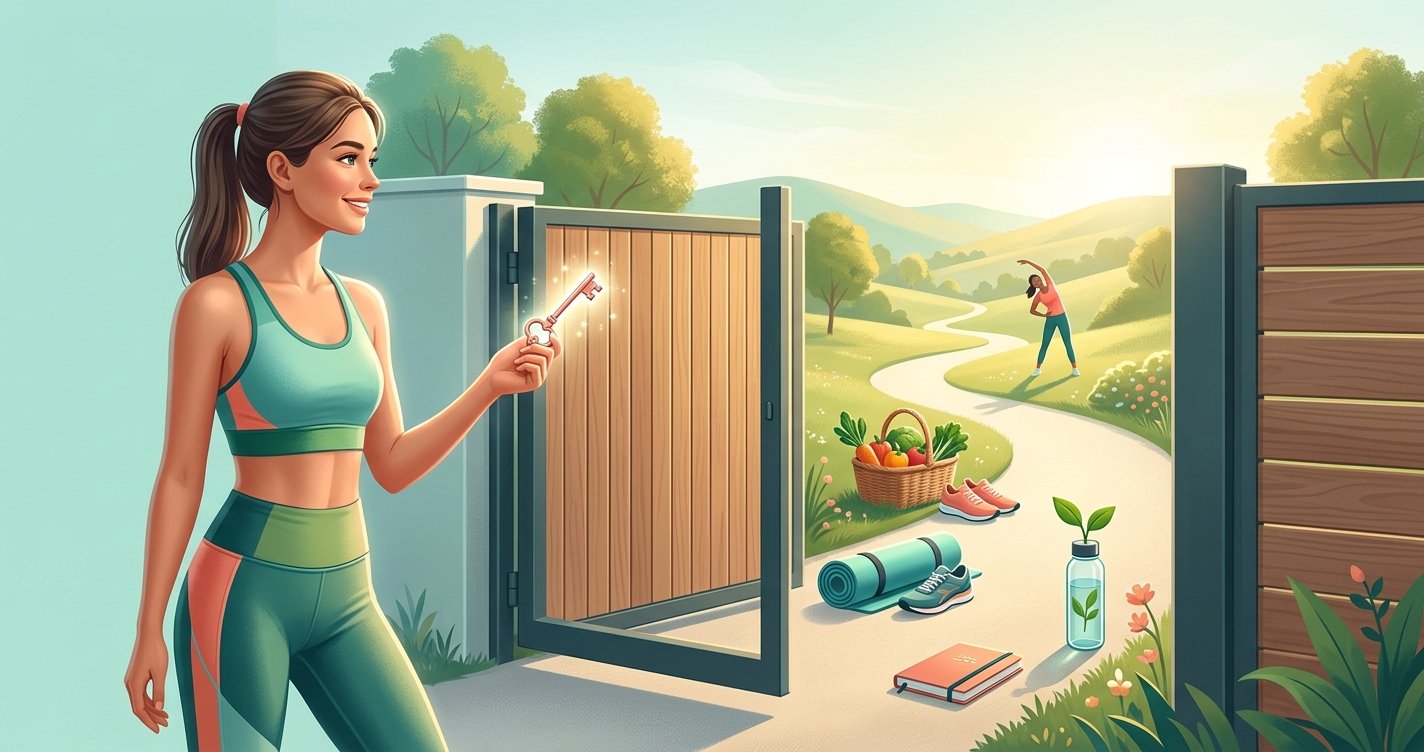
Tired of the endless cycle of dieting, restriction, and rebound weight gain? You're not alone. For too long, the fat loss industry has pushed quick fixes and rigid rules that leave us feeling frustrated, deprived, and ultimately, heavier than when we started. But what if there was a better way? A path to lasting fat loss that doesn't involve calorie counting, restrictive meal plans, or punishing workouts?
Welcome to the world of sustainable fat loss – an evidence-based approach that focuses on building healthy habits, fostering a positive relationship with food, and listening to your body's innate wisdom. This isn't about dieting; it's about living. And the best part? It leads to results that last, without sacrificing your mental peace or joy for food. this excellent wellness product
In this comprehensive guide, we'll explore how to ditch the diet mentality, embrace mindful living, and cultivate habits that support your body's natural ability to achieve and maintain a healthy weight. Get ready to transform your approach to fat loss, once and for all.
Why Traditional Diets Often Miss the Mark
Before we dive into sustainable solutions, let's understand why the conventional diet paradigm so frequently fails us in the long run.
The Cycle of Restriction and Rebound
Most diets operate on severe calorie restriction, which triggers our body's survival mechanisms. Initially, you might see quick weight loss, but your metabolism slows down (metabolic adaptation), hormones shift to increase hunger (ghrelin) and decrease satiety (leptin), and your body becomes more efficient at storing fat when food becomes available again. This biological response makes regaining weight incredibly easy once the diet ends.
The All-or-Nothing Trap
Traditional diets often set rigid rules: 'no carbs,' 'no sugar,' 'only eat these foods.' While structure can be helpful, extreme rigidity leads to an 'all-or-nothing' mindset. One slip-up can feel like complete failure, leading to guilt, shame, and often, a complete abandonment of all progress. This psychological toll is exhausting and counterproductive.
- Unsustainability: Most diets are not designed for long-term adherence.
- Nutrient Deficiencies: Restrictive eating can lead to inadequate intake of essential vitamins and minerals.
- Social Isolation: Dieting often makes social eating challenging and unenjoyable.
- Food Obsession: Constant focus on what you 'can't' have paradoxically increases cravings and preoccupation with food.
Embrace Your Body's Wisdom: The Power of Mindful Eating
One of the most powerful tools for sustainable fat loss isn't a diet plan, but a shift in how you interact with food: mindful eating.
What is Mindful Eating?
Mindful eating is the practice of paying full attention to your food and the eating experience, without judgment. It means tuning into your body's hunger and fullness cues, savoring flavors and textures, and noticing how different foods make you feel, both physically and emotionally. It's about reconnecting with your body's natural signals, which diets often teach us to ignore.
How to Practice Mindful Eating
- Eat Slowly and Savor: Put your fork down between bites, chew thoroughly, and truly taste your food. This allows your body time to register fullness.
- Tune into Hunger and Fullness: Before eating, ask yourself, 'Am I truly hungry?' Use a hunger scale (1 = starving, 10 = painfully full). Aim to eat when you're moderately hungry (around 3-4) and stop when you're comfortably satisfied (around 6-7).
- Minimize Distractions: Turn off the TV, put away your phone, and focus solely on your meal.
- Notice How Food Makes You Feel: After eating, check in with your body. Do you feel energized, sluggish, satisfied, or still hungry? This feedback helps you make informed choices next time.
- Challenge Food Guilt: Let go of the 'good' and 'bad' labels for food. All foods can fit into a balanced lifestyle. Focus on nourishment and enjoyment, not perfection.
Building a Healthier Relationship with Food
Mindful eating helps you move away from fear and control, towards appreciation and trust. It empowers you to make choices that truly serve your body and mind, leading to a more intuitive and enjoyable eating experience that naturally supports a healthy weight.
Beyond the Plate: Lifestyle Pillars for Sustainable Fat Loss
Fat loss isn't just about what you eat; it's deeply intertwined with your overall lifestyle. Addressing these key areas can significantly impact your body composition and well-being.
Prioritize Quality Sleep
Lack of sleep wreaks havoc on your hormones. It increases ghrelin (the hunger hormone) and decreases leptin (the satiety hormone), leading to increased cravings, especially for high-carb, high-fat foods. Poor sleep also elevates cortisol, a stress hormone linked to abdominal fat storage. Aim for 7-9 hours of quality sleep per night.
Master Stress Management
Chronic stress keeps cortisol levels elevated, promoting fat storage, particularly around the midsection. Find healthy ways to manage stress: meditation, yoga, deep breathing exercises, spending time in nature, engaging in hobbies, or connecting with loved ones. Reducing stress helps regulate your hormones and reduces emotional eating.
Move Your Body Joyfully
Forget punishing workouts. Sustainable fat loss thrives on consistent, enjoyable movement. Find activities you genuinely love – walking, dancing, hiking, cycling, swimming, strength training. Regular physical activity builds muscle (which boosts metabolism), improves insulin sensitivity, reduces stress, and enhances mood. Focus on moving more throughout your day, not just during dedicated exercise sessions.
Hydration for Health
Water is essential for every bodily function, including metabolism. Staying well-hydrated can help you feel fuller, support healthy digestion, and ensure your body operates optimally. Often, thirst is mistaken for hunger, so try drinking a glass of water before reaching for a snack.
Fueling Your Body, Not Dieting It: A Flexible Approach to Nutrition
While we're moving away from restrictive diets, understanding basic nutritional principles is still key for sustainable fat loss.
Focus on Whole, Unprocessed Foods
Prioritize foods in their natural state – fruits, vegetables, lean proteins, whole grains, nuts, and seeds. These foods are rich in nutrients, fiber, and water, which promote satiety and provide sustained energy without excessive calories.
- Lean Proteins: Chicken, fish, beans, lentils, tofu, and eggs are crucial for muscle preservation and repair, and they keep you feeling full for longer.
- Fiber-Rich Carbohydrates: Whole grains (oats, quinoa, brown rice), fruits, and vegetables provide sustained energy, aid digestion, and contribute to satiety.
- Healthy Fats: Avocados, nuts, seeds, and olive oil are vital for hormone production, nutrient absorption, and also contribute to fullness.
- Plenty of Vegetables and Fruits: These are packed with vitamins, minerals, antioxidants, and fiber, offering high volume with low calorie density.
Flexibility Over Rigidity
Embrace the 80/20 rule: aim to eat whole, nourishing foods 80% of the time, and allow for flexibility and treats the other 20%. This approach prevents feelings of deprivation, makes eating socially enjoyable, and helps you sustain healthy habits long-term without feeling like you're 'on a diet.'
Building Lasting Habits: Patience, Persistence, and Self-Compassion
Sustainable fat loss is a journey, not a destination. It requires patience and a kind approach to yourself.
Small Changes, Big Impact
Don't try to overhaul everything at once. Pick one or two small, actionable habits to focus on each week or month. Maybe it's adding a vegetable to every meal, drinking more water, or taking a 15-minute walk daily. Consistency with small changes creates powerful, lasting results.
Celebrate Progress, Not Perfection
Shift your focus from the number on the scale to non-scale victories: improved energy, better sleep, clothes fitting more comfortably, increased strength, a calmer relationship with food. These are true indicators of progress and sustainable health.
The Power of Self-Compassion
You will have off days, slip-ups, and moments of doubt. That's perfectly normal. Instead of self-criticism, practice self-compassion. Learn from these moments, forgive yourself, and gently guide yourself back to your healthy habits. Sustainable change thrives on kindness, not punishment.
Your Journey to a Healthier You Starts Now
Sustainable fat loss isn't a quick fix; it's a profound shift in how you live and relate to your body. By ditching the diet mentality, embracing mindful eating, prioritizing sleep and stress management, moving joyfully, and fueling your body with nourishing foods, you're not just losing fat – you're building a foundation for lifelong health and well-being.
Remember, this is your unique journey. Be patient, be persistent, and most importantly, be kind to yourself. The most effective way to achieve lasting fat loss is to cultivate habits that make you feel vibrant, energized, and truly alive. Start today, one mindful step at a time.