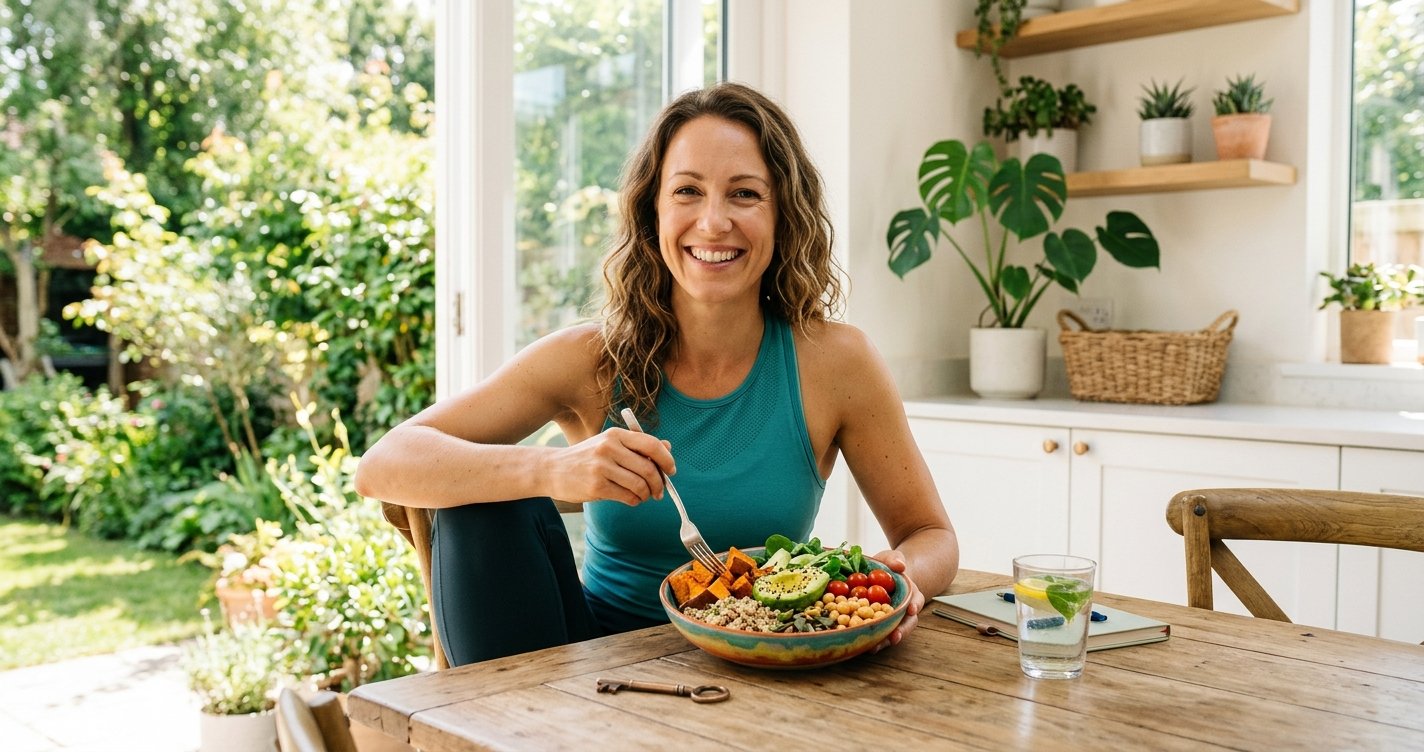
Unlock Lasting Fat Loss: Your Guide to Sustainable Habits, No Extreme Diets Needed
Are you tired of the endless cycle of crash diets, restrictive eating, and fleeting results? You're not alone. Many people embark on their fat loss journey with enthusiasm, only to be met with frustration when the initial progress stalls, or worse, the weight creeps back on. The truth is, sustainable fat loss isn't about deprivation; it's about building a foundation of healthy, enjoyable habits that support your body and mind for the long haul.
This isn't another quick-fix guide. Instead, we'll dive into evidence-based strategies that empower you to achieve lasting fat loss by focusing on consistency, balance, and a positive relationship with food and exercise. Forget the extreme measures; let's build a lifestyle that truly works for you. this excellent wellness product
Why Crash Diets Fail (And What to Do Instead)
The allure of rapid weight loss is strong, but crash diets often come with a heavy price. Severely restricting calories or eliminating entire food groups can lead to nutrient deficiencies, muscle loss, metabolic slowdown, and an unhealthy obsession with food. Your body, designed for survival, perceives extreme dieting as a famine, triggering adaptive responses that make future fat loss harder and weight regain more likely.
The Calorie Deficit: A Sustainable Approach
At its core, fat loss requires a caloric deficit – consuming slightly fewer calories than your body burns. However, the key is to achieve this deficit intelligently and sustainably. Instead of drastic cuts, aim for a modest deficit (e.g., 300-500 calories per day). This allows your body to adapt gradually, preserving muscle mass and keeping your metabolism robust. Focus on nutrient-dense foods that keep you full and satisfied, rather than simply eating less of everything.
Fueling Your Body Smartly: The Power of Whole Foods
What you eat is just as important as how much you eat. Shifting your focus from 'diet food' to 'nourishing food' can transform your approach to eating. Whole, unprocessed foods are packed with vitamins, minerals, fiber, and protein, all crucial for satiety, energy, and optimal bodily function.
Prioritize Protein
- Satiety: Protein is the most satiating macronutrient, helping you feel fuller for longer and reducing cravings.
- Muscle Preservation: Adequate protein intake is vital for maintaining muscle mass, especially during a caloric deficit. Muscle is metabolically active, meaning it burns more calories at rest than fat.
- Thermic Effect: Your body expends more energy digesting protein compared to carbs or fats.
Include lean protein sources like chicken, fish, eggs, tofu, lentils, and Greek yogurt in every meal.
Embrace Fiber-Rich Carbohydrates
Don't fear carbs! Complex carbohydrates found in fruits, vegetables, and whole grains are rich in fiber. Fiber aids digestion, helps regulate blood sugar, and contributes significantly to satiety. Think oats, quinoa, brown rice, berries, leafy greens, and legumes.
Don't Forget Healthy Fats
Healthy fats (from avocados, nuts, seeds, olive oil, fatty fish) are essential for hormone production, nutrient absorption, and provide a sense of satisfaction. While calorie-dense, a moderate amount of healthy fats can prevent hunger and support overall health.
Move Your Body, Don't Punish It: Exercise for Fat Loss
Exercise isn't just about burning calories; it's about building strength, improving cardiovascular health, boosting mood, and enhancing your body's ability to burn fat. Find activities you genuinely enjoy, making consistency much easier.
Strength Training: Your Metabolic Supercharger
Lifting weights isn't just for bodybuilders. Strength training is incredibly effective for fat loss because it builds and preserves muscle mass. The more muscle you have, the higher your resting metabolic rate, meaning you burn more calories even when you're not exercising. Aim for 2-3 full-body strength sessions per week.
Cardiovascular Exercise: Heart Health and Calorie Burn
Activities like brisk walking, jogging, cycling, swimming, or dancing elevate your heart rate, improve cardiovascular fitness, and burn calories. Incorporate 150-300 minutes of moderate-intensity cardio per week, or shorter bursts of high-intensity interval training (HIIT) if appropriate for your fitness level.
The Unsung Heroes: Sleep, Stress, and Hydration
Often overlooked, these fundamental elements play a monumental role in your fat loss journey. Neglecting them can sabotage even the most diligent efforts in diet and exercise.
Prioritize Quality Sleep
Lack of sleep disrupts hormones that regulate appetite (ghrelin and leptin), leading to increased hunger and cravings for unhealthy foods. It also elevates cortisol, a stress hormone that can promote fat storage, particularly around the midsection. Aim for 7-9 hours of quality sleep per night.
Manage Stress Effectively
Chronic stress triggers the release of cortisol, which can increase appetite, promote fat storage, and make it harder to lose weight. Incorporate stress-reducing practices into your daily routine, such as meditation, yoga, spending time in nature, or engaging in hobbies you love.
Stay Hydrated
Drinking enough water is crucial for metabolism, satiety, and overall health. Sometimes, thirst can be mistaken for hunger, leading to unnecessary snacking. Water also aids in nutrient transport and detoxification. Keep a water bottle handy and sip throughout the day.
Mindset Matters: Cultivating a Healthy Relationship with Food and Your Body
Sustainable fat loss is as much about mental and emotional well-being as it is about physical changes. Shifting your perspective can make all the difference.
Practice Mindful Eating
Slow down, savor your food, and pay attention to your body's hunger and fullness cues. This helps you recognize when you're truly hungry and when you're just eating out of habit or emotion. Avoid distractions like screens while eating.
Be Patient and Consistent
True change takes time. There will be good days and bad days. Don't let a slip-up derail your entire journey. Focus on consistency over perfection. Celebrate small victories and non-scale achievements, like increased energy, improved sleep, or clothes fitting better.
Cultivate Body Positivity
Your worth is not tied to a number on the scale. Focus on nourishing your body, making healthy choices out of self-care, and appreciating what your body can do. A positive self-image fuels motivation and makes the journey more enjoyable.
Your Journey to Lasting Fat Loss Starts Today
Fat loss isn't a race; it's a marathon built on a series of small, consistent, and sustainable steps. By ditching the extreme diets and embracing whole foods, regular movement, quality sleep, stress management, and a positive mindset, you're not just losing weight – you're building a healthier, happier, and more vibrant life. Be kind to yourself, stay consistent, and trust the process. Your body will thank you for it.