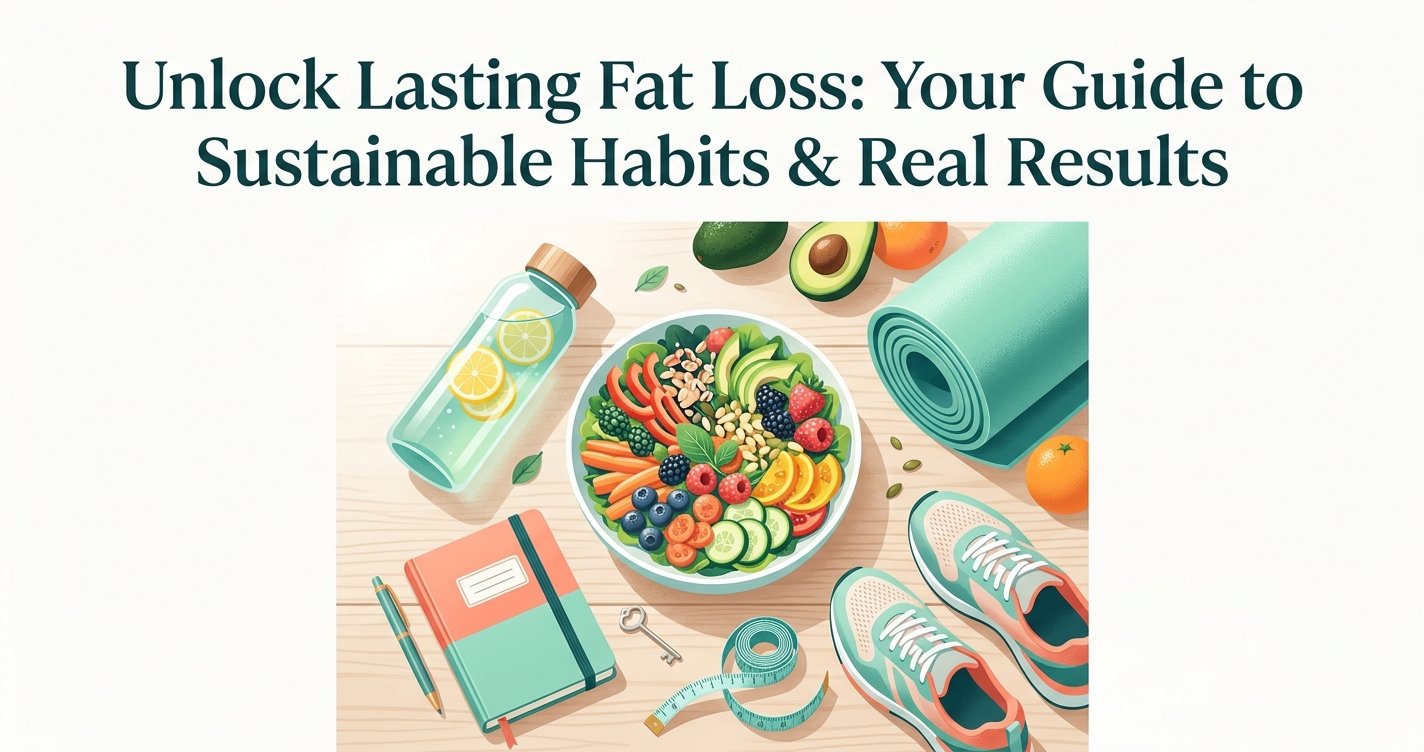
Tired of the endless cycle of restrictive diets and fleeting results? You're not alone. In a world obsessed with quick fixes and overnight transformations, it's easy to get caught up in fads that promise the moon but deliver disappointment. The truth about fat loss, especially lasting fat loss, isn't found in extreme measures or deprivation. It's built on a foundation of sustainable, healthy habits that you can maintain for life. This isn't just about shedding pounds; it's about transforming your relationship with food, movement, and your body.
In this comprehensive guide, we're going to dive deep into evidence-based strategies for sustainable fat loss. We'll explore how to create a gentle calorie deficit, optimize your nutrition, integrate effective exercise, and harness the power of lifestyle factors like sleep and stress management. Most importantly, we'll discuss cultivating a resilient mindset that embraces progress over perfection. Ready to ditch the diet mentality and build a healthier, happier you? this excellent wellness product
Understanding the Foundation: The Power of a Calorie Deficit
Let's start with the non-negotiable truth: to lose fat, you must consume fewer calories than your body burns. This is known as a calorie deficit, and it's the fundamental principle of fat loss. Think of your body as a car; if you want to use up the fuel (stored fat), you need to put less in than you're expending.
However, achieving a calorie deficit doesn't mean starving yourself or enduring extreme hunger. A sustainable deficit is typically modest – around 300-500 calories below your maintenance level. This allows for steady fat loss (typically 1-2 pounds per week) without sacrificing energy levels, muscle mass, or metabolic health.
Small Changes, Big Impact
- Mindful Eating: Pay attention to your hunger and fullness cues. Eating slowly can help you recognize when you're satisfied, preventing overeating.
- Portion Control: Simply reducing portion sizes of calorie-dense foods can make a significant difference without feeling deprived.
- Swap Wisely: Opt for lower-calorie, nutrient-dense alternatives. For example, choose grilled chicken over fried, or a side salad instead of fries.
Fueling Your Body Right: Nutrition for Sustainable Fat Loss
Nutrition isn't just about counting calories; it's about providing your body with the right fuel to thrive, feel full, and support fat loss. Focus on nutrient-dense, whole foods that keep you satiated and energized.
Protein Powerhouse
Protein is your best friend when it comes to fat loss. Science consistently shows that a higher protein intake:
- Increases Satiety: Protein is incredibly filling, helping you feel full for longer and reducing overall calorie intake.
- Preserves Muscle Mass: When in a calorie deficit, your body can lose both fat and muscle. Adequate protein helps protect your hard-earned muscle, which is crucial for a healthy metabolism.
- Boosts Metabolism: Your body uses more energy to digest protein compared to fats or carbohydrates (the thermic effect of food).
Aim for 0.7-1 gram of protein per pound of body weight daily. Good sources include lean meats, poultry, fish, eggs, dairy, legumes, and tofu.
Fiber-Rich Foods & Whole Grains
Fiber is another hero in your fat loss journey. Found in fruits, vegetables, legumes, and whole grains, fiber:
- Enhances Satiety: Like protein, fiber adds bulk to your meals, helping you feel full and satisfied.
- Aids Digestion: It promotes a healthy gut, which is increasingly linked to overall health and weight management.
- Stabilizes Blood Sugar: Fiber slows the absorption of sugar, preventing spikes and crashes that can lead to cravings.
Make sure your plate is piled high with colorful vegetables and include whole grains like oats, quinoa, and brown rice.
Hydration is Key
Don't underestimate the power of water! Staying well-hydrated supports metabolism, can help reduce hunger (sometimes thirst is mistaken for hunger), and keeps your body functioning optimally. Aim for at least 8 glasses of water a day, more if you're active.
Move Your Body, Transform Your Body: Exercise Strategies
While nutrition is paramount for fat loss, exercise is the perfect complement, enhancing your results and improving your overall health and well-being.
Embrace Strength Training
If you're not lifting weights, you're missing out! Strength training is incredibly effective for fat loss, not just for burning calories during your workout, but for its long-term benefits:
- Builds Muscle: More muscle mass means a higher resting metabolism, meaning you burn more calories even when you're at rest.
- Shapes Your Body: Beyond the scale, strength training can transform your physique, giving you a leaner, more toned appearance.
- Improves Bone Density: A crucial benefit for long-term health.
Aim for 2-3 full-body strength training sessions per week, focusing on compound movements like squats, deadlifts, presses, and rows.
The Role of Cardio
Cardiovascular exercise is excellent for burning calories, improving heart health, and boosting your mood. You don't need to spend hours on the treadmill, though. Incorporate a mix:
- Low-Intensity Steady State (LISS): Brisk walking, cycling, or swimming for 30-60 minutes can be a great way to increase your daily calorie expenditure and reduce stress.
- High-Intensity Interval Training (HIIT): Short bursts of intense exercise followed by brief recovery periods can be very time-efficient and effective for calorie burning. However, don't overdo it; 1-2 sessions per week are usually sufficient.
Ultimately, find forms of movement you enjoy, whether it's dancing, hiking, or playing sports. Consistency is far more important than intensity.
Beyond the Gym: Lifestyle Factors for Lasting Success
Fat loss isn't just about what you eat and how you move; it's deeply intertwined with your overall lifestyle. Overlooking these crucial elements can sabotage even the best diet and exercise plans.
Prioritize Sleep
In our busy lives, sleep is often the first thing to get cut. But insufficient sleep is a silent killer of fat loss efforts. When you're sleep-deprived:
- Hormonal Imbalance: Your body produces more ghrelin (the hunger hormone) and less leptin (the satiety hormone), making you feel hungrier and less satisfied.
- Increased Cravings: You're more likely to crave sugary, high-calorie foods.
- Elevated Cortisol: Sleep deprivation increases cortisol, the stress hormone, which can promote fat storage, especially around the belly.
Aim for 7-9 hours of quality sleep per night. Establish a consistent sleep schedule, create a relaxing bedtime routine, and optimize your sleep environment.
Manage Stress Effectively
Chronic stress, like poor sleep, elevates cortisol levels. This can not only encourage fat storage but also lead to emotional eating and hinder your ability to make healthy choices. Finding healthy ways to manage stress is vital:
- Mindfulness & Meditation: Even a few minutes a day can significantly reduce stress.
- Hobbies: Engage in activities you enjoy that help you relax.
- Social Connection: Spend time with loved ones.
- Time in Nature: Research shows time outdoors can lower stress levels.
The Mindset Shift: Cultivating Patience and Self-Compassion
Sustainable fat loss is a journey, not a destination. There will be good days and challenging days. Your mindset plays a monumental role in whether you stick with it or give up.
- Embrace Patience: Real, lasting change takes time. Don't get discouraged if the scale doesn't move every day. Focus on long-term trends and non-scale victories (e.g., clothes fitting better, more energy, improved strength).
- Consistency Over Perfection: You don't need to be perfect. A missed workout or an indulgent meal won't derail your progress if you get back on track with your next choice. Aim for consistency in your healthy habits, not flawless execution.
- Practice Self-Compassion: Be kind to yourself. If you stumble, don't beat yourself up. Learn from it, adjust, and move forward. Remember your 'why' and treat yourself with the same encouragement you'd offer a friend.
- Focus on Health, Not Just Weight: Shift your focus from solely the number on the scale to overall health, energy, strength, and well-being. This broader perspective makes the journey more rewarding and sustainable.
Putting It All Together: Your Actionable Steps
Ready to start building your sustainable fat loss journey? Here are some actionable steps:
- Understand Your Calorie Needs: Use an online calculator to estimate your maintenance calories, then subtract 300-500 to find your target.
- Prioritize Protein: Aim for a protein source at every meal.
- Fill Up on Fiber: Make half your plate vegetables at lunch and dinner.
- Hydrate Consistently: Keep a water bottle handy and sip throughout the day.
- Start Strength Training: Begin with 2-3 full-body sessions per week, even if it's bodyweight exercises at home.
- Move More Daily: Increase your non-exercise activity – take the stairs, walk during breaks, park further away.
- Optimize Your Sleep: Set a consistent bedtime and wake-up time, even on weekends.
- Find Your Stress Relievers: Identify healthy ways to manage stress and incorporate them into your routine.
- Track Progress Beyond the Scale: Take measurements, progress photos, and note how your clothes fit and how you feel.
Sustainable fat loss isn't about deprivation; it's about empowerment. It's about making informed choices that nourish your body, strengthen your mind, and build a foundation for lifelong health. By focusing on consistent, healthy habits rather than fleeting fixes, you're not just losing fat – you're gaining a healthier, happier, and more resilient you. You've got this. Start with one small step today, and watch the lasting results unfold!