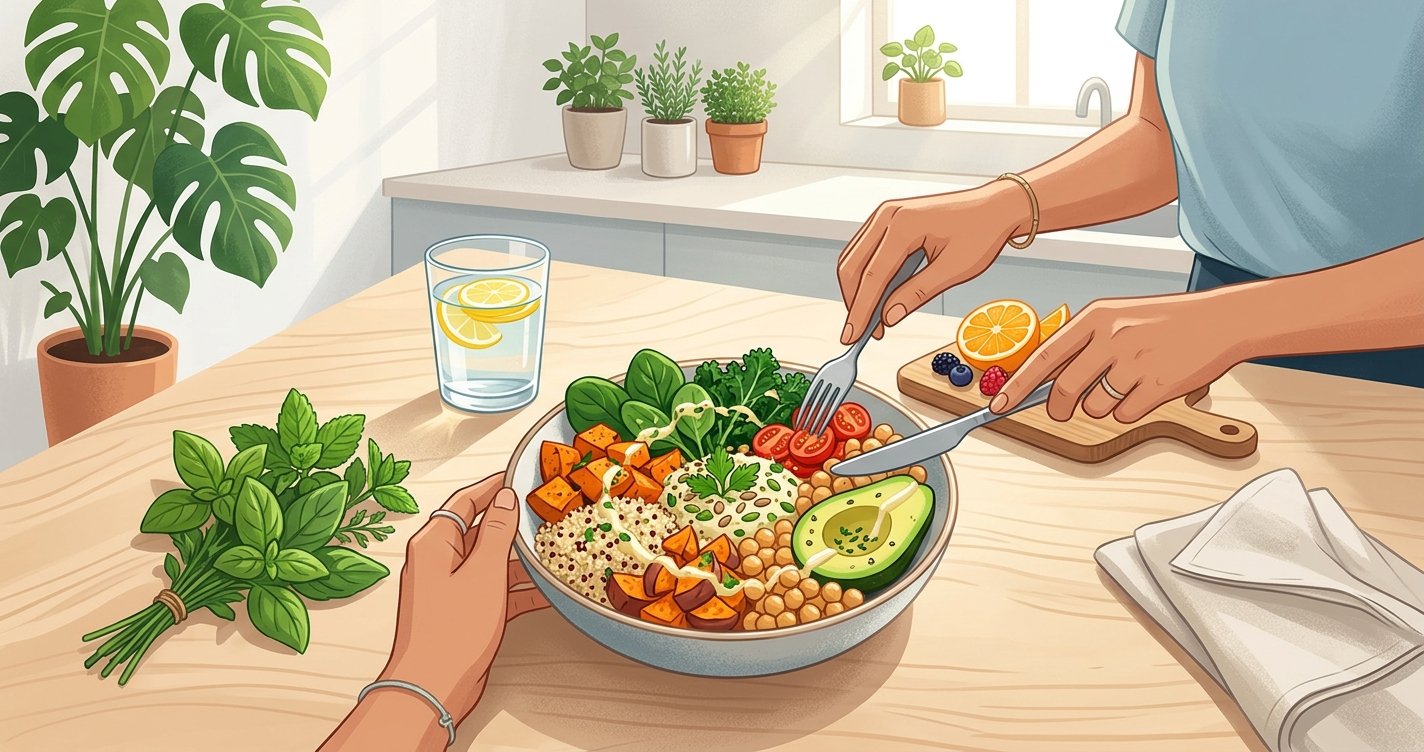
Unlock Lasting Fat Loss: Your Guide to Sustainable Nutrition Strategies
Tired of the endless cycle of fad diets and fleeting results? It's time to ditch the deprivation and embrace a smarter, more sustainable approach to fat loss. This isn't about quick fixes; it's about empowering you with evidence-based nutrition strategies that lead to real, lasting change. Get ready to build healthy habits that not only help you shed unwanted fat but also improve your overall health and well-being, without sacrificing your love for food!
The Core Principle: Understanding Your Calorie Deficit
At its heart, fat loss boils down to one fundamental principle: consuming fewer calories than your body burns. This is known as creating a calorie deficit. While countless diets promise magic, the scientific truth remains – you cannot lose fat without consistently being in a deficit. But don't let this intimidate you; it's not about starvation, but smart choices. this excellent wellness product
To establish a sustainable deficit, you first need an idea of your Total Daily Energy Expenditure (TDEE) – the total number of calories your body burns in a day. You can estimate this using online calculators (which factor in your age, gender, weight, height, and activity level). Once you have your TDEE, aim to consume 300-500 calories less than that number each day. This moderate deficit is key for sustainable fat loss, as it allows for consistent progress without feeling overly deprived or risking muscle loss.
- Start Small: Don't cut too many calories at once. A gradual reduction is easier to maintain and less likely to trigger extreme hunger or metabolic slowdown.
- Consistency is Key: It's the cumulative effect of consistent deficit over time that leads to results, not a single day of perfect eating.
- Listen to Your Body: Adjust your deficit based on how you feel. If you're constantly exhausted or ravenously hungry, you might be cutting too much.
Fueling Your Body Right: Macronutrients for Fat Loss
While calories are king for fat loss, the composition of those calories – your macronutrients (protein, carbohydrates, and fats) – plays a vital role in satiety, muscle preservation, and overall health. Getting these right can make your fat loss journey significantly easier and more effective.
Protein: Your Fat Loss Ally
Protein is arguably the most crucial macronutrient for fat loss. It's highly satiating, meaning it keeps you feeling full for longer, reducing the urge to snack. It also has a higher thermic effect of food (TEF), meaning your body burns more calories digesting protein compared to carbs or fats. Most importantly, adequate protein intake helps preserve lean muscle mass, which is vital for maintaining a healthy metabolism as you lose weight.
- Good Sources: Lean meats (chicken, turkey, lean beef), fish, eggs, dairy (Greek yogurt, cottage cheese), legumes (beans, lentils), tofu, tempeh, and protein powder.
Carbs: Not the Enemy (The Right Kind Matters)
Carbohydrates provide your body with energy, especially for exercise and daily functions. The key is to choose the right types of carbs. Focus on complex, fiber-rich carbohydrates over refined, sugary options. Fiber adds bulk to your meals, promoting satiety and aiding digestion, while whole grains provide sustained energy without the blood sugar spikes and crashes.
- Good Sources: Whole grains (oats, brown rice, quinoa, whole-wheat bread), fruits, vegetables, and starchy vegetables (sweet potatoes, potatoes).
Fats: Essential for Health and Satiety (in Moderation)
Dietary fats are essential for hormone production, nutrient absorption, and overall cellular health. While fats are calorie-dense, they also contribute significantly to satiety. The trick is to choose healthy fats and consume them in moderation, as they pack more than double the calories per gram compared to protein and carbs.
- Good Sources: Avocados, nuts, seeds, olive oil, fatty fish (salmon, mackerel), and small amounts of full-fat dairy.
Beyond Macros: Quality and Timing Matter
Focusing solely on macros without considering food quality is like building a house with excellent blueprints but poor materials. What you eat is just as important as how much.
Prioritize Whole, Unprocessed Foods
Whole foods are nutrient-dense, packed with vitamins, minerals, and fiber, and generally lower in calories per serving compared to their processed counterparts. They naturally help you feel fuller on fewer calories and support overall health. Minimizing ultra-processed foods, which are often high in added sugars, unhealthy fats, and sodium, is a cornerstone of sustainable fat loss.
Meal Frequency and Timing: What Does the Evidence Say?
For years, rigid rules about meal frequency (e.g., eating six small meals a day) dominated the fat loss landscape. However, current evidence suggests that for most healthy individuals, total daily calorie and macro intake is more important than how many meals you eat or when you eat them. Find a meal frequency that fits your lifestyle, hunger levels, and preferences. Some thrive on three balanced meals, others prefer intermittent fasting with fewer, larger meals. The best approach is the one you can consistently stick to.
The Mindful Approach: Eating for Sustainable Success
Beyond the numbers and specific foods, how you eat plays a crucial role in sustainable fat loss. Mindful eating is about paying attention to your food, your body's signals, and the entire eating experience. It helps you recognize true hunger versus emotional eating and stop when you're satisfied, not just stuffed.
- Slow Down: Put your fork down between bites. Chew thoroughly.
- Eliminate Distractions: Turn off the TV, put away your phone. Focus on your meal.
- Tune In to Hunger and Fullness Cues: Before eating, ask yourself if you're truly hungry. During eating, check in with your body for signs of satisfaction.
- Savor Your Food: Notice the flavors, textures, and aromas. Enjoy the experience.
Hydration and Sleep: The Often-Overlooked Fat Loss Pillars
While often overshadowed by diet and exercise, proper hydration and adequate sleep are non-negotiable for effective and sustainable fat loss. Neglecting them can sabotage even the best nutrition plan.
Drink Up: Water's Role in Fat Loss
Water is essential for countless bodily functions, including metabolism. Drinking enough water can help you feel fuller, potentially reducing overall calorie intake. Sometimes, your body can confuse thirst with hunger, leading to unnecessary snacking. Aim for at least 8-10 glasses of water per day, more if you're active or in a hot climate.
Rest Your Way Lean: The Power of Sleep
Lack of sleep can wreak havoc on your fat loss efforts. It disrupts hunger-regulating hormones like ghrelin (which stimulates appetite) and leptin (which signals fullness), leading to increased cravings, especially for high-calorie, sugary foods. Poor sleep also elevates cortisol, a stress hormone that can promote fat storage, particularly around the midsection. Prioritize 7-9 hours of quality sleep each night.
Making It Stick: Consistency and Patience
Sustainable fat loss is a journey, not a destination. There will be good days and challenging days. The key is to be consistent with your efforts, even when it's not perfect. Don't let one 'off' meal or day derail your entire progress. Get back on track with your next meal and learn from the experience.
Patience is also paramount. Fat loss is rarely linear. You'll experience plateaus, fluctuations due to water retention, and slower progress than you might expect. Trust the process, celebrate small victories, and focus on building healthy habits that you can maintain for life. Remember, the goal isn't just to lose weight, but to improve your health and feel your best, long-term.