Tired of the Fat Loss Rollercoaster? Let's Talk Sustainable Solutions!
Have you ever embarked on a fat loss journey with high hopes, only to find yourself back where you started (or even further behind) a few months later? You're not alone. The world is saturated with quick fixes, extreme diets, and promises of rapid weight loss that often lead to disappointment, frustration, and a damaged relationship with food and your body.
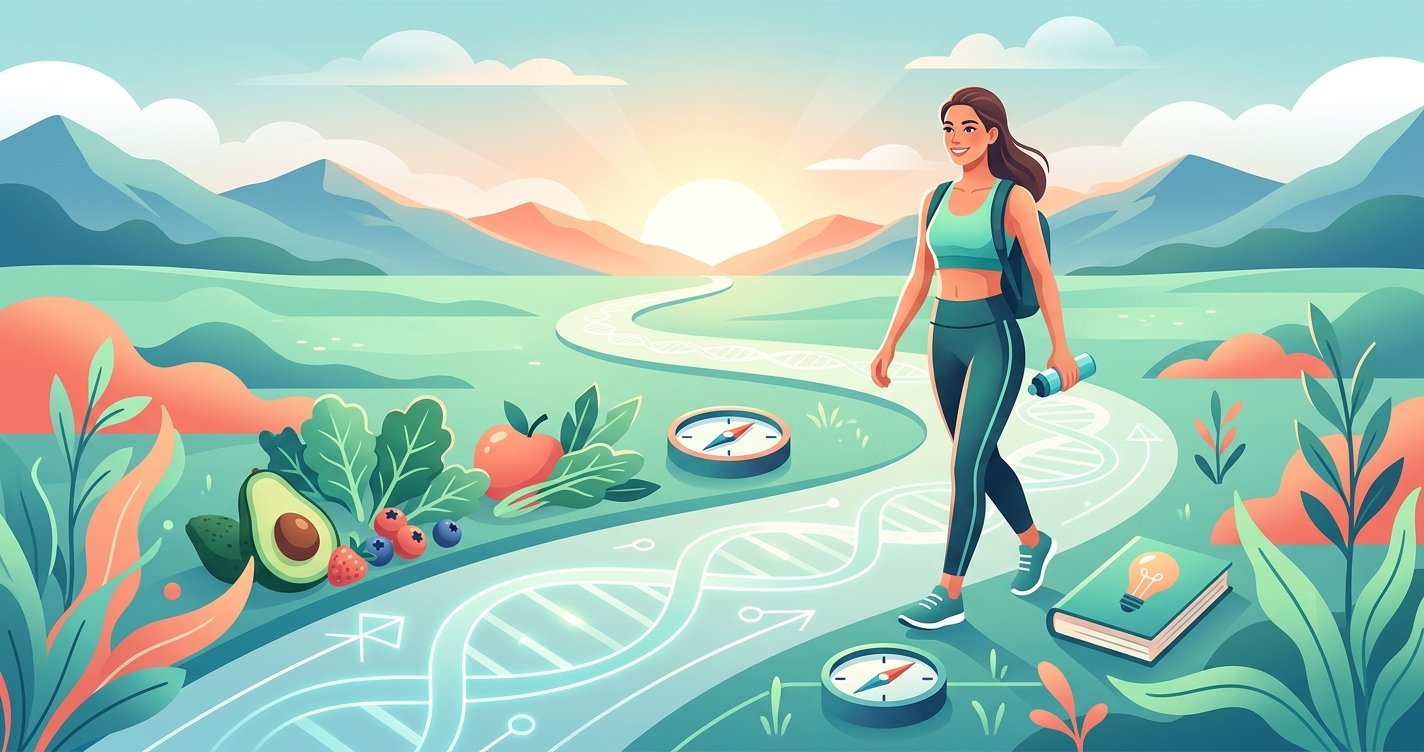
But what if there was a better way? A path to lasting fat loss that prioritizes your health, energy, and well-being, rather than just a number on the scale? This guide is your blueprint for achieving sustainable fat loss – a science-backed approach that works with your body, not against it, to help you build habits that stick for life. this excellent wellness product
Why Crash Diets Fail (And Why You Deserve Better)
Before we dive into what does work, let's understand why the common quick-fix approaches often backfire. Crash diets typically involve severe calorie restriction, cutting out entire food groups, and unsustainable workout routines. While they might deliver initial rapid weight loss, this is usually temporary and comes at a significant cost:
- Metabolic Slowdown (Adaptive Thermogenesis): Your body is incredibly smart. When calories drop drastically, it perceives a famine and slows down your metabolism to conserve energy. This makes it harder to lose fat and easier to regain it once you return to normal eating.
- Muscle Loss: Extreme deficits often lead to a significant loss of lean muscle mass, not just fat. Muscle is metabolically active, meaning it burns more calories at rest. Losing muscle further slows your metabolism.
- Nutrient Deficiencies: Restrictive diets can strip your body of essential vitamins, minerals, and macronutrients, leading to fatigue, poor immune function, and overall ill health.
- Unsustainable Hunger and Cravings: Your body fights back with increased hunger hormones (ghrelin) and decreased satiety hormones (leptin), making cravings almost impossible to resist.
- Psychological Burnout: Constant deprivation, guilt, and the pressure to adhere to rigid rules can lead to emotional eating, binge-restrict cycles, and a negative self-image. It’s a recipe for mental exhaustion, not success.
The truth is, crash diets aren't designed for long-term success. They set you up for failure, and it’s not your fault. You deserve a strategy that respects your body and mind.
The Core Pillars of Sustainable Fat Loss: Nutrition That Nourishes
Sustainable fat loss isn't about eating less; it's about eating smarter. Focus on quality, balance, and consistency, not deprivation.
Prioritize Protein for Satiety and Muscle Preservation
Protein is your secret weapon in the fight against fat. It has the highest thermic effect of food (meaning your body burns more calories digesting it), keeps you feeling fuller for longer, and is crucial for preserving and building lean muscle mass during a calorie deficit. Aim for a good source of protein with every meal.
- Practical Tip: Include lean meats, poultry, fish, eggs, Greek yogurt, cottage cheese, legumes, lentils, or a quality protein powder in your daily intake. Aim for 0.7-1 gram of protein per pound of your target body weight.
Embrace Whole, Unprocessed Foods
Focus your diet around foods that come from nature, not a factory. Whole foods are packed with essential nutrients, fiber, and water, which contribute to satiety and overall health.
- Practical Tip: Fill your plate with a rainbow of vegetables, fruits, whole grains (oats, quinoa, brown rice), healthy fats (avocado, nuts, seeds, olive oil), and lean proteins. These foods provide sustained energy and prevent the blood sugar spikes and crashes that lead to cravings.
Understand Calorie Deficit (Without Obsession)
Yes, a calorie deficit is fundamental for fat loss – you need to consume fewer calories than you burn. However, the goal is a moderate, sustainable deficit (typically 300-500 calories below maintenance), not extreme restriction. This allows for gradual fat loss while preserving muscle and metabolic health.
- Practical Tip: Practice mindful eating. Pay attention to your hunger and fullness cues. Use smaller plates, eat slowly, and savor your food. Avoid liquid calories (sodas, sugary juices) as they don't provide satiety.
Move Your Body Smart, Not Just Hard: Exercise for Fat Loss and Health
Exercise is a powerful tool, not just for burning calories, but for improving body composition, boosting mood, and enhancing overall health.
Strength Training: Your Best Friend for Fat Loss
Don't skip the weights! Strength training is arguably the most effective form of exercise for body recomposition. It builds and preserves muscle mass, which directly contributes to a higher resting metabolic rate, meaning you burn more calories even when you're not exercising.
- Practical Tip: Aim for 2-4 strength training sessions per week, focusing on compound movements (squats, deadlifts, presses, rows) that work multiple muscle groups. Gradually increase the weight or resistance over time (progressive overload).
Incorporate Cardio (But Don't Overdo It)
Cardiovascular exercise is excellent for heart health, endurance, and burning extra calories. However, excessive cardio can sometimes hinder recovery, increase cortisol levels, and even contribute to muscle loss if not balanced with adequate nutrition and strength training.
- Practical Tip: Include a mix of low-intensity steady-state (LISS) cardio like walking or cycling, and occasional high-intensity interval training (HIIT) if appropriate for your fitness level. Listen to your body and prioritize recovery.
NEAT: The Unsung Hero of Daily Calorie Burn
Non-Exercise Activity Thermogenesis (NEAT) refers to the calories you burn through everyday movements not related to structured exercise – walking, standing, fidgeting, taking the stairs. Increasing your NEAT can significantly contribute to your daily calorie expenditure.
- Practical Tip: Look for opportunities to move more throughout your day. Take the stairs instead of the elevator, park further away, stand while on the phone, take short walking breaks during work, or invest in a standing desk.
Beyond the Scale: The Power of Sleep, Stress Management, and Mindset
Fat loss isn't just about what you eat and how you move; it's deeply intertwined with your overall holistic health.
Sleep Your Way to Success
Poor sleep can sabotage even the most diligent fat loss efforts. Sleep deprivation disrupts hunger hormones (increasing ghrelin, decreasing leptin), impairs insulin sensitivity, and elevates cortisol, making you more prone to cravings, fat storage (especially around the belly), and poor decision-making.
- Practical Tip: Aim for 7-9 hours of quality sleep per night. Create a consistent sleep schedule, make your bedroom dark and cool, and limit screen time before bed.
Tame the Stress Monster
Chronic stress leads to elevated cortisol levels. While cortisol is essential, prolonged high levels can promote fat storage, particularly in the abdominal area, and increase cravings for high-calorie comfort foods.
- Practical Tip: Incorporate stress-reducing activities into your daily routine: meditation, deep breathing exercises, yoga, spending time in nature, journaling, or connecting with loved ones.
Cultivate a Growth Mindset and Self-Compassion
Your mental approach is critical. Sustainable fat loss is a journey with ups and downs, not a linear path. Embrace a growth mindset, focusing on progress over perfection, and practice self-compassion. Don't let a minor setback derail your entire journey.
- Practical Tip: Celebrate non-scale victories (NSVs) like increased energy, stronger lifts, better sleep, or clothes fitting differently. Learn from slip-ups without self-blame. Remember your 'why' and be patient with yourself.
Understanding Metabolic Adaptation: Why Patience is a Virtue
As you lose fat, your body naturally adapts. Your metabolism may slow down, and your energy expenditure decreases because you're a smaller person requiring fewer calories. This is called metabolic adaptation, and it's why plateaus happen.
Instead of panicking and cutting calories further (which can be counterproductive), understanding this process allows for smarter strategies. Sometimes, a planned diet break or a gradual increase in calories (often called 'reverse dieting') can help restore metabolic function and prepare your body for further fat loss, making the entire journey more sustainable and enjoyable.
Building Habits That Stick: Your Long-Term Strategy
Sustainable fat loss isn't about a temporary diet; it's about building lasting habits that become part of your lifestyle. Focus on small, incremental changes rather than trying to overhaul everything at once. Consistency trumps intensity.
- Start Small: Instead of cutting out all sugar, try reducing your soda intake by one can a day.
- Focus on One or Two Changes: Master one habit before adding another.
- Track Progress: Not just weight, but also measurements, strength gains, energy levels, and mood.
- Seek Support: Share your goals with a friend, family member, or consider working with a coach or registered dietitian for personalized guidance.
- Embrace Flexibility: Life happens. Learn to adapt and get back on track without guilt if you deviate from your plan. The 'all-or-nothing' mindset often leads to giving up entirely.
Putting It All Together: Your Actionable Steps
Ready to ditch the quick fixes and embrace a path to lasting health and fat loss? Here’s a summary of your actionable blueprint:
- Prioritize Protein & Whole Foods: Build your meals around lean protein, vegetables, fruits, and healthy fats.
- Incorporate Strength Training: Lift weights 2-4 times a week to preserve and build muscle.
- Optimize Sleep & Manage Stress: Aim for 7-9 hours of quality sleep and find healthy ways to de-stress.
- Stay Hydrated: Drink plenty of water throughout the day.
- Practice Mindful Eating: Pay attention to hunger and fullness cues, and enjoy your food without distraction.
- Increase NEAT: Look for opportunities to move more outside of structured exercise.
- Be Patient & Consistent: Sustainable results take time. Trust the process.
- Seek Professional Guidance: If you feel overwhelmed, a qualified coach or dietitian can provide personalized strategies.
Your Journey to Lasting Results Starts Now
Sustainable fat loss isn't just about looking better; it's about feeling better, having more energy, and building a healthier relationship with your body for the long run. It's a journey of self-discovery, resilience, and consistent effort, but it's one that promises genuine, lasting results that quick fixes can never deliver. Embrace the process, be kind to yourself, and celebrate every step of your progress. You've got this!