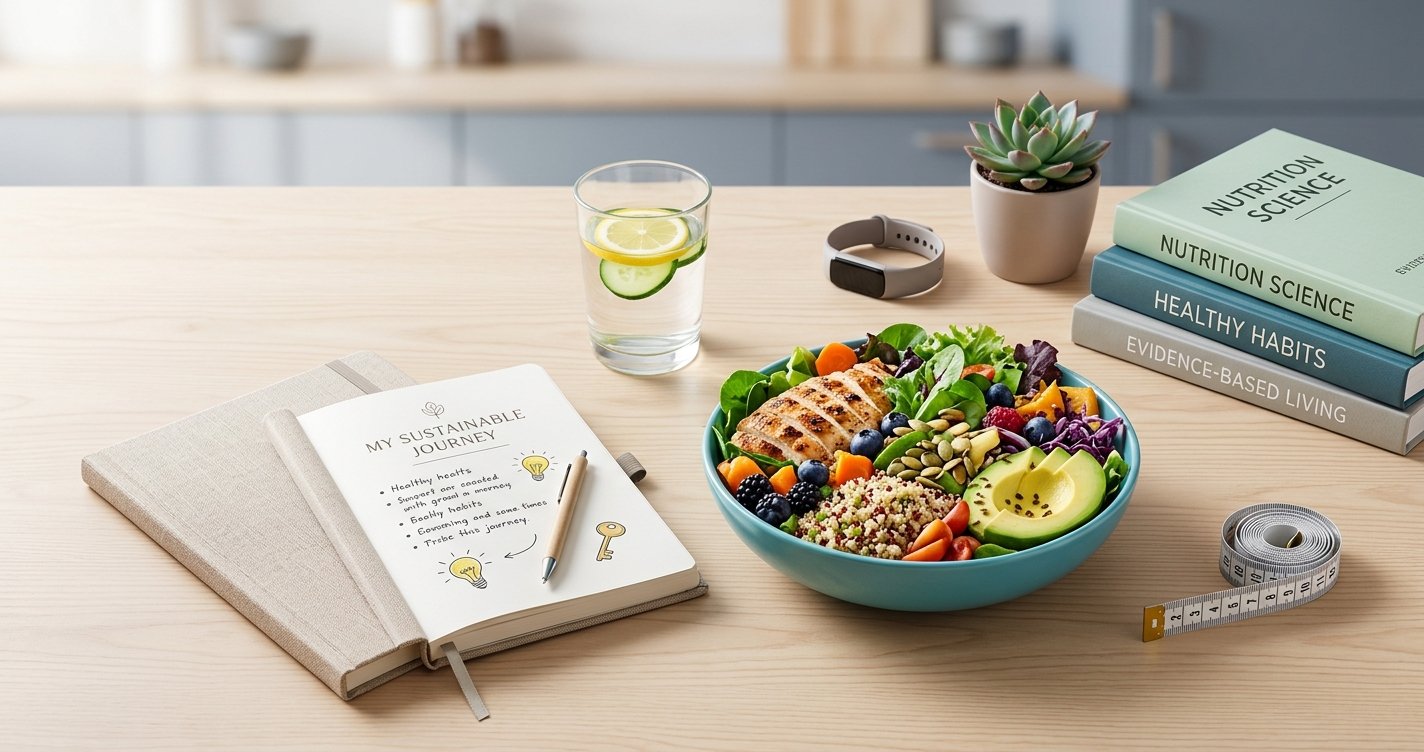
Are you tired of the endless cycle of restrictive diets, rapid weight loss, and inevitable rebound? You're not alone. In a world saturated with quick fixes and extreme promises, it's easy to feel frustrated and defeated when those solutions fail to deliver lasting results. But what if there was a better way? A path to fat loss that's not only effective but also sustainable, enjoyable, and rooted in solid scientific evidence?
Welcome to your comprehensive guide to sustainable fat loss. We're going to dive deep into strategies that empower you to shed excess body fat, improve your health, and build habits that stick for life – without deprivation, guilt, or unsustainable extremes. This isn't about a temporary diet; it's about a permanent lifestyle upgrade. Let's ditch the quick fixes and embrace a journey towards a healthier, happier you. this excellent wellness product
The Truth About Fat Loss: Why Quick Fixes Fail
The appeal of rapid results is undeniable. Lose 10 pounds in a week! Detox your body! While these claims might sound enticing, they often lead to disappointment and can even harm your metabolism in the long run. Most extreme diets achieve initial weight loss primarily through water and muscle loss, not sustainable fat loss. As soon as you return to normal eating patterns, the weight (and often more) comes back.
The Allure of Rapid Results vs. Reality
Fad diets thrive on dramatic, short-term changes that are impossible to maintain. They often cut out entire food groups, promote expensive supplements, or require unrealistic calorie restrictions. While the scale might dip initially, this isn't true fat loss. Your body is incredibly adaptable, and when faced with severe restriction, it slows down its metabolism to conserve energy, making future fat loss even harder.
Understanding Your Metabolism and Energy Balance
At its core, fat loss comes down to energy balance: consuming fewer calories than your body expends. This is often referred to as a 'calorie deficit.' However, it's not just about the number; the quality of those calories profoundly impacts your satiety, energy levels, and overall health. A sustainable deficit means creating a slight, consistent shortage of calories over time, allowing your body to tap into its fat stores for energy without triggering extreme hunger or metabolic slowdowns.
Building Your Foundation: Nutrition for Sustainable Fat Loss
Nutrition is arguably the most critical component of sustainable fat loss. It's not about eating less; it's about eating smarter. By focusing on nutrient-dense foods, you can fuel your body, reduce hunger, and optimize your metabolism.
Prioritizing Protein: Your Satiety Secret Weapon
Protein is king when it comes to fat loss. It's highly satiating, meaning it keeps you feeling full for longer, reducing the likelihood of overeating. Furthermore, protein has a higher thermic effect of food (TEF) than carbs or fats, meaning your body burns more calories digesting it. Crucially, adequate protein intake helps preserve precious muscle mass during a calorie deficit, which is vital for maintaining a healthy metabolism. Aim for a protein source at every meal: lean meats, poultry, fish, eggs, dairy, legumes, and plant-based protein powders.
The Power of Fiber: Filling Up on Nutrients
Fiber-rich foods are your allies. Found in fruits, vegetables, whole grains, and legumes, fiber adds bulk to your meals without adding many calories. It slows down digestion, stabilizes blood sugar levels, and promotes gut health, all of which contribute to better appetite control and overall well-being. Think vibrant salads, hearty whole-grain oats, and plenty of colorful veggies.
Smart Carb Choices and Healthy Fats: Fueling Your Body
Not all carbs and fats are created equal. For sustainable fat loss, focus on complex carbohydrates like whole grains (quinoa, brown rice, whole-wheat bread), sweet potatoes, and fruits. These provide sustained energy and essential nutrients. Healthy fats, found in avocados, nuts, seeds, and olive oil, are crucial for hormone production, nutrient absorption, and satiety. They are calorie-dense, so portion control is key, but don't cut them out entirely – they play a vital role in your health.
Mastering Portion Control and Mindful Eating
Even healthy foods can lead to weight gain if consumed in excess. Learning to manage portion sizes without feeling deprived is a game-changer. Use smaller plates, measure high-calorie items, and pay attention to your body's hunger and fullness cues. Mindful eating means slowing down, savoring your food, and recognizing when you're truly satisfied, rather than eating until you're stuffed or distracted.
Beyond the Plate: Lifestyle Pillars for Fat Loss
While nutrition lays the groundwork, sustainable fat loss is a holistic endeavor. Your daily habits, beyond what you eat, significantly impact your body's ability to shed fat.
The Non-Negotiable Role of Movement: Beyond Just Cardio
Physical activity is essential. While cardio helps burn calories, strength training is particularly powerful for fat loss. Building muscle increases your resting metabolic rate, meaning you burn more calories even when you're not exercising. Aim for 2-3 strength training sessions per week, alongside regular cardiovascular activity (walking, jogging, cycling) and incorporating more non-exercise activity thermogenesis (NEAT) like taking the stairs or parking further away.
Sleep: Your Unsung Hero for Hormonal Balance
In our busy lives, sleep is often the first thing to be sacrificed. However, poor sleep wreaks havoc on your fat-loss efforts. Insufficient sleep disrupts hormones like ghrelin (which stimulates appetite) and leptin (which signals fullness), leading to increased hunger and cravings. It also elevates cortisol, a stress hormone that can promote fat storage around the midsection. Aim for 7-9 hours of quality sleep per night.
Stress Management: Taming the Cortisol Beast
Chronic stress, like lack of sleep, can elevate cortisol levels. This not only encourages fat storage but can also lead to emotional eating and reduced motivation for healthy habits. Finding effective ways to manage stress – whether through meditation, yoga, spending time in nature, or hobbies – is crucial for both your mental well-being and your fat loss journey.
Practical Strategies for Long-Term Success
Sustainable fat loss isn't about perfection; it's about consistency and making progress, not necessarily at lightning speed.
Setting Realistic Goals and Tracking Progress (Non-Scale Victories)
Forget the idea of losing 20 pounds in a month. Set realistic, achievable goals that focus on habit formation rather than just the number on the scale. Celebrate 'non-scale victories' – increased energy, clothes fitting better, improved strength, better mood, or clearer skin. These indicators often provide more motivation than the scale alone.
Building Sustainable Habits, One Step at a Time
Overhauling your entire life overnight is a recipe for failure. Instead, focus on building one or two new healthy habits at a time. Maybe it's adding a protein source to every meal, taking a 30-minute walk daily, or ensuring you drink enough water. Once a habit feels natural, add another. This slow and steady approach builds lasting change.
The Importance of Consistency and Patience
Fat loss is a marathon, not a sprint. There will be good days and challenging days. The key is consistency over time, not perfection every single day. Don't let a single 'off' meal or day derail your entire effort. Get back on track with your next meal or workout. Patience is paramount; your body needs time to adapt and respond to new habits.
Your Journey Starts Now: Embracing a Healthier You
Sustainable fat loss is within your reach. By focusing on evidence-based nutrition principles, prioritizing lifestyle factors like sleep and stress management, and committing to consistent movement, you can achieve lasting results without resorting to extreme or unhealthy methods. Remember, this isn't just about losing weight; it's about building a healthier, stronger, and more confident you. Start small, be consistent, and trust the process. Your body will thank you.