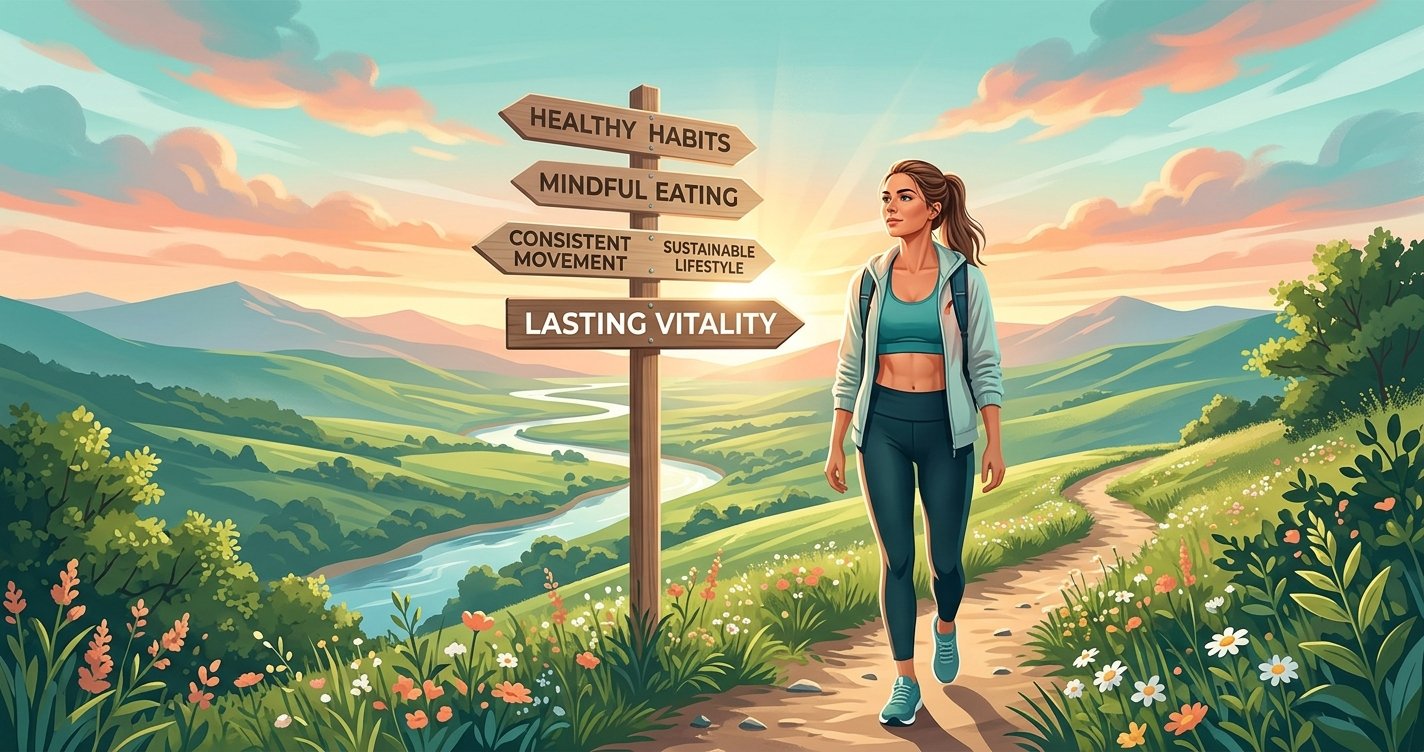
Tired of the Yo-Yo Dieting Cycle? Discover True Sustainable Fat Loss!
If you've ever embarked on a fat loss journey, only to find yourself back where you started (or even further behind), you're not alone. The fitness industry is rife with quick fixes, extreme diets, and 'magic' pills that promise rapid results but rarely deliver lasting change. The truth is, sustainable fat loss isn't about deprivation or suffering; it's about building consistent, healthy habits that you can maintain for life. It's about understanding your body, fueling it wisely, and moving it effectively, all while cultivating a resilient mindset.
This isn't another fad diet guide. This is your evidence-based, encouraging blueprint to understanding the science behind lasting fat loss and implementing strategies that work with your body, not against it. We'll explore the core principles, debunk common myths, and empower you to create a lifestyle that supports genuine, long-term well-being and a healthier, happier you. this excellent wellness product
The Core Principle: Understanding Energy Balance for Fat Loss
At its heart, fat loss boils down to one fundamental concept: energy balance. Simply put, you need to consume fewer calories than your body expends. This creates a 'calorie deficit,' forcing your body to tap into its stored energy reserves – primarily body fat – for fuel.
Why a Calorie Deficit is Non-Negotiable
While various diets (Keto, Paleo, Vegan, etc.) can be effective, their success in promoting fat loss is ultimately tied to their ability to help you achieve and maintain a calorie deficit. Without it, your body has no physiological reason to burn stored fat. It’s crucial to understand that not all calories are created equal in terms of satiety and nutrient density, but when it comes to the sheer mechanics of fat loss, the deficit is king.
How to Estimate Your Needs: Finding Your Starting Point
To create a calorie deficit, you first need to know roughly how many calories your body needs to maintain its current weight. This is your Total Daily Energy Expenditure (TDEE). Your TDEE is influenced by several factors:
- Basal Metabolic Rate (BMR): The calories your body burns at rest to perform basic functions (breathing, circulation, cell production).
- Thermic Effect of Food (TEF): The energy expended to digest, absorb, and metabolize food.
- Activity Level: Calories burned through structured exercise and non-exercise activity (NEAT).
Online TDEE calculators can provide a good starting estimate, but remember these are just estimates. The key is to start with a modest deficit (e.g., 300-500 calories below your TDEE) and adjust based on your body's response. A slow, steady deficit of 1-2 pounds of fat loss per week is generally considered safe and sustainable.
Fueling Your Body Right: Nutrition for Sustainable Results
While the calorie deficit is paramount, the quality of those calories profoundly impacts your satiety, energy levels, and overall health. Sustainable fat loss emphasizes nutrient-dense, whole foods that keep you feeling full and nourished.
Prioritize Protein: The Satiety and Muscle Protector
Protein is your best friend on a fat loss journey. Here's why:
- High Satiety: Protein is the most filling macronutrient, helping to curb hunger and reduce overall calorie intake.
- Muscle Preservation: When in a calorie deficit, your body can break down muscle for energy. Adequate protein intake helps preserve lean muscle mass, which is crucial for maintaining a healthy metabolism.
- Higher TEF: Protein has a higher thermic effect than carbs or fats, meaning your body burns more calories digesting it.
Aim for 0.7-1 gram of protein per pound of body weight, distributed throughout your meals.
Embrace Whole Foods: Fiber, Micronutrients, and Satisfaction
Focus your diet around unprocessed, whole foods:
- Lean Proteins: Chicken breast, fish, lean beef, eggs, tofu, lentils.
- Fruits and Vegetables: Packed with fiber, vitamins, and minerals, they're low in calories and high in volume, promoting fullness.
- Whole Grains: Oats, quinoa, brown rice offer sustained energy and fiber.
These foods not only provide essential nutrients but also help you feel more satisfied on fewer calories compared to highly processed alternatives.
Don't Fear Healthy Fats and Smart Carbs
Fats and carbohydrates have often been demonized, but both play vital roles in a healthy diet. Healthy fats (avocado, nuts, seeds, olive oil) are essential for hormone production and nutrient absorption. Complex carbohydrates provide energy for your workouts and daily activities. The key is moderation and choosing quality sources.
Move Your Body Smart: Exercise Beyond the Treadmill
Exercise isn't just about burning calories; it's about building a stronger, healthier, and more metabolically active body. A well-rounded approach combines strength training and cardio.
The Power of Strength Training for Metabolic Health
Many people mistakenly think endless cardio is the answer to fat loss. While cardio is beneficial, strength training is a game-changer for sustainable fat loss. Building and maintaining muscle mass increases your resting metabolic rate, meaning you burn more calories even when you're not exercising. It also improves body composition, making you look leaner and more toned.
Aim for 2-4 strength training sessions per week, focusing on compound movements (squats, deadlifts, presses, rows) that work multiple muscle groups.
Cardio for Heart Health and Calorie Burn
Cardiovascular exercise is excellent for heart health, endurance, and contributing to your calorie deficit. Whether it's brisk walking, jogging, cycling, or swimming, find activities you enjoy. Incorporate both steady-state cardio and High-Intensity Interval Training (HIIT) for varied benefits.
Incorporating NEAT (Non-Exercise Activity Thermogenesis)
Don't underestimate the power of everyday movement! NEAT includes all the calories you burn outside of structured exercise – walking to work, taking the stairs, fidgeting, doing chores. Increasing your NEAT by simply moving more throughout the day can significantly contribute to your overall calorie expenditure without feeling like a 'workout.'
The Unsung Heroes: Sleep, Stress, and Hydration
Often overlooked, these three pillars are absolutely critical for sustainable fat loss. Neglecting them can sabotage even the most diligent diet and exercise plans.
The Critical Role of Quality Sleep
Poor sleep disrupts hormones that regulate appetite (ghrelin and leptin), leading to increased hunger and cravings for unhealthy foods. It also elevates cortisol (the stress hormone), which can promote fat storage, especially around the belly. Aim for 7-9 hours of quality sleep per night.
Managing Stress for Hormonal Balance
Chronic stress keeps cortisol levels elevated, making fat loss incredibly difficult. Find healthy ways to manage stress, whether it's meditation, yoga, spending time in nature, or hobbies you enjoy. Prioritizing mental well-being is not a luxury; it's a necessity for sustainable fat loss.
Hydration: Your Simple Fat Loss Ally
Drinking enough water is simple yet profoundly effective. Water helps with satiety (sometimes thirst is mistaken for hunger), aids in nutrient transport, and supports metabolic processes. Make it a habit to carry a water bottle and sip throughout the day.
Cultivating a Mindset for Long-Term Success
Sustainable fat loss is as much a mental game as it is a physical one. Your mindset will determine your ability to navigate challenges and stay consistent.
Ditch the All-or-Nothing Mentality
Perfection is the enemy of progress. One 'bad' meal or missed workout doesn't derail your entire journey. Learn to forgive yourself, get back on track with your next meal or workout, and understand that consistency over perfection is what truly matters.
Practice Mindful Eating and Self-Compassion
Pay attention to your body's hunger and fullness cues. Eat slowly, savor your food, and avoid distractions. Cultivate self-compassion; treat yourself with the same kindness and understanding you would offer a friend. Fat loss is a journey with ups and downs, and being kind to yourself through the process is vital.
Track Progress Beyond the Scale
The scale can be a useful tool, but it doesn't tell the whole story. Muscle gain, water retention, and hormonal fluctuations can all obscure true fat loss. Look for other indicators of progress:
- How your clothes fit
- Measurements (waist, hips, arms)
- Strength gains in the gym
- Improved energy levels and mood
- Better sleep quality
- Progress photos
Common Pitfalls and How to Avoid Them
Even with the best intentions, it's easy to stumble. Being aware of common pitfalls can help you navigate them more effectively.
Over-Restricting and Binge Cycles
Extreme calorie restriction is unsustainable and often leads to intense cravings, fatigue, and eventual binge eating. A moderate deficit allows for flexibility and prevents feelings of deprivation, making it easier to stick to your plan long-term.
Expecting Too Much, Too Soon
Fat loss is a marathon, not a sprint. Celebrate small victories and understand that plateaus are normal. Adjust your strategy if progress stalls, but don't get discouraged by the pace. Patience and persistence are key.
Ignoring Lifestyle Factors
As we've discussed, diet and exercise are only part of the equation. Neglecting sleep, stress management, and hydration will significantly hinder your progress. View your fat loss journey as a holistic lifestyle upgrade.
Your Journey to Lasting Fat Loss Starts Now
Sustainable fat loss isn't a destination; it's a lifestyle you build, one healthy habit at a time. It demands patience, consistency, and a willingness to learn and adapt. By focusing on a moderate calorie deficit, prioritizing nutrient-dense foods, incorporating smart exercise, and optimizing your sleep, stress, and hydration, you're not just losing weight – you're building a healthier, stronger, and more vibrant you for the long haul.
Forget the quick fixes. Embrace the journey of building habits that nourish your body and mind. You have the power to create lasting change. Start today, one small, sustainable step at a time.