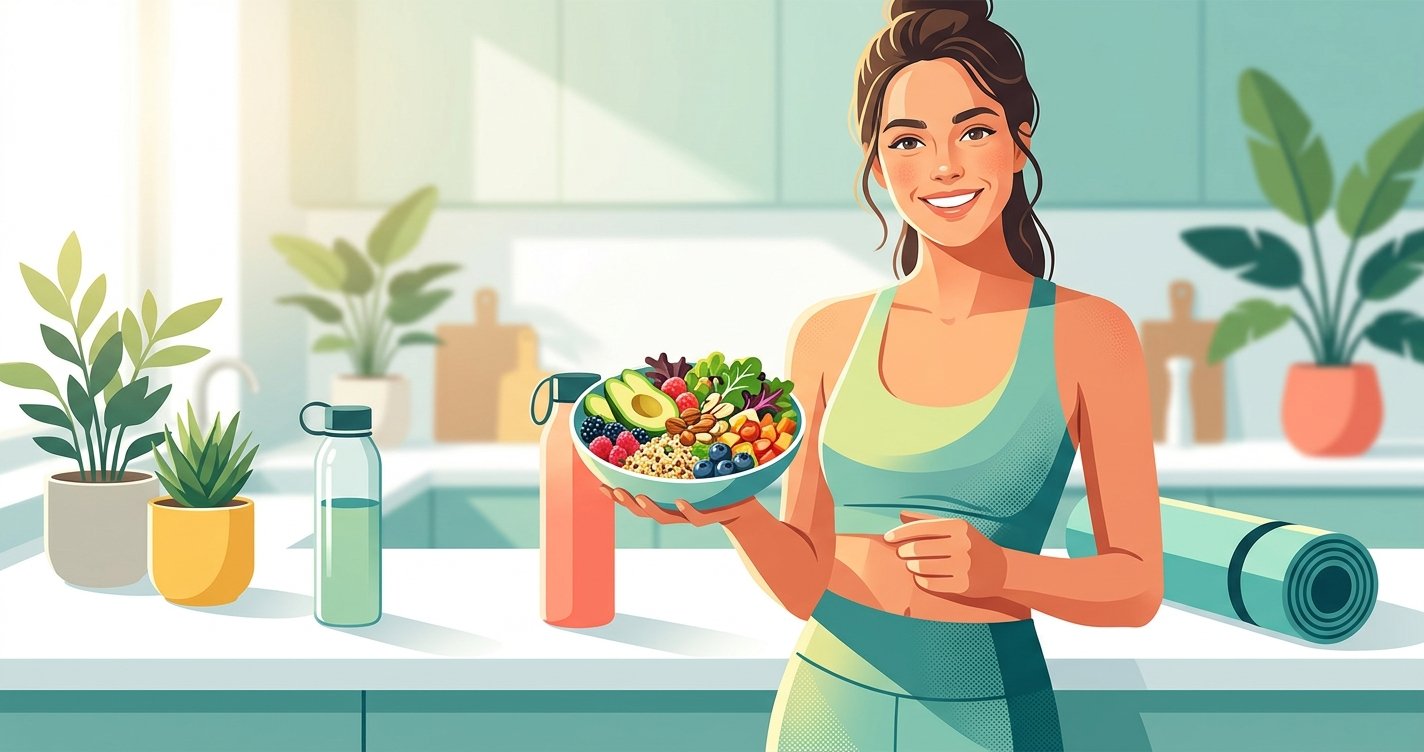
Unlock Lasting Fat Loss: Your Guide to Sustainable Weight Management
Are you tired of the endless cycle of crash diets, rapid weight loss, and an inevitable rebound? Many of us have been there, chasing quick fixes that promise dramatic results, only to find ourselves back at square one, often feeling more frustrated and discouraged than before. The truth is, sustainable fat loss isn't about deprivation or extreme measures; it's about cultivating healthy habits that last a lifetime. In this guide, we'll dive deep into the evidence-based strategies that will help you achieve your fat loss goals and, more importantly, maintain them for good. Get ready to transform your approach and build a healthier, happier you!
The Allure (and Downfall) of Quick Fixes
The internet is awash with "lose 10 pounds in 7 days" challenges and celebrity-endorsed detoxes. It's easy to get swept up in the promise of rapid results, especially when motivation is high. However, these quick fixes often come at a significant cost to your physical and mental well-being, rarely delivering on their long-term promises. this excellent wellness product
Why Crash Diets Rarely Work Long-Term
Crash diets typically involve severely restricting calories or cutting out entire food groups. While they might lead to initial weight loss (often water weight and muscle, not just fat), they are inherently unsustainable. Your body is smart; it perceives severe calorie restriction as a threat, slowing down your metabolism to conserve energy. This makes it harder to lose fat and easier to regain weight once you return to normal eating patterns.
Furthermore, these diets often lack essential nutrients, leading to fatigue, irritability, and nutrient deficiencies. They also foster an unhealthy relationship with food, turning eating into a source of stress rather than nourishment.
Understanding the "Rebound Effect"
The dreaded "rebound effect" is a common outcome of quick-fix diets. After a period of intense restriction, your body is primed to store fat. When you inevitably ease up on the extreme diet, your metabolism is still slow, and your hunger hormones (like ghrelin) are often elevated, leading to increased cravings and overeating. This combination makes it incredibly easy to regain the lost weight, and often more, creating a disheartening cycle of loss and gain.
Building Your Foundation: Key Pillars of Sustainable Fat Loss
True, lasting fat loss is built on a foundation of consistent, healthy habits. Let's explore the fundamental pillars that will support your journey.
Nutrition: Fueling Your Body Smartly (Not Starving It)
Forget extreme deprivation. Sustainable nutrition for fat loss is about intelligent choices and balance. The core principle remains a moderate calorie deficit – consuming slightly fewer calories than you burn, but not so few that your body goes into starvation mode. Focus on nutrient-dense, whole foods.
- Prioritize Protein: Protein is incredibly satiating, helping you feel fuller for longer. It also helps preserve muscle mass during fat loss, which is crucial for maintaining a healthy metabolism. Aim for a good source of lean protein at every meal (chicken, fish, eggs, tofu, legumes).
- Embrace Whole Foods: Fill your plate with a rainbow of vegetables, fruits, whole grains (oats, brown rice, quinoa), and healthy fats (avocado, nuts, seeds, olive oil). These foods provide essential vitamins, minerals, and fiber, which aid digestion and satiety.
- Limit Processed Foods & Sugary Drinks: These items often contain empty calories, unhealthy fats, and added sugars that contribute to weight gain and offer little nutritional value. Small, occasional treats are fine, but they shouldn't form the bulk of your diet.
- Portion Awareness: You don't need to meticulously count every calorie forever, but understanding appropriate portion sizes is key. Use your hand as a guide: a palm-sized portion of protein, a cupped hand of carbs, and a fist-sized portion of vegetables.
Movement: Finding Joy in Being Active
Exercise isn't just about burning calories; it's about building strength, improving cardiovascular health, boosting mood, and increasing your overall metabolic rate. Find activities you genuinely enjoy to ensure consistency.
- Resistance Training is Your Friend: Lifting weights (or using bodyweight exercises) is paramount for fat loss. Muscle tissue burns more calories at rest than fat tissue, meaning more muscle equals a faster metabolism. Aim for 2-4 sessions per week.
- Incorporate Cardio: Whether it's brisk walking, jogging, cycling, or dancing, cardiovascular exercise improves heart health and helps create that calorie deficit. Mix in both steady-state and high-intensity interval training (HIIT) if appropriate for your fitness level.
- Boost NEAT (Non-Exercise Activity Thermogenesis): This refers to the calories you burn through everyday activities outside of structured exercise. Take the stairs, park further away, walk during phone calls, do some gardening. These small movements add up significantly!
Sleep: The Unsung Hero of Weight Management
Often overlooked, sufficient, quality sleep plays a critical role in fat loss. When you're sleep-deprived, your body produces more ghrelin (the hunger hormone) and less leptin (the satiety hormone), leading to increased cravings, especially for high-carb, sugary foods. Lack of sleep also elevates cortisol, a stress hormone that can promote fat storage, particularly around the abdomen.
Aim for 7-9 hours of quality sleep per night. Establish a consistent sleep schedule, create a relaxing bedtime routine, and optimize your sleep environment.
Stress Management: Taming the Cortisol Beast
Chronic stress, like lack of sleep, can wreak havoc on your fat loss efforts due to elevated cortisol levels. Cortisol signals your body to store fat, particularly visceral fat (the dangerous fat around your organs). It can also lead to emotional eating.
Find healthy ways to manage stress: meditation, yoga, spending time in nature, hobbies, deep breathing exercises, or connecting with loved ones. Prioritizing mental well-being is not a luxury; it's a necessity for sustainable health.
Mindset Matters: Cultivating a Healthy Relationship with Food and Your Body
Your mental approach to fat loss is just as crucial as your physical actions. A positive, patient mindset can make all the difference.
Ditching the "All or Nothing" Mentality
One slip-up doesn't ruin your entire progress. Instead of thinking "I ate a cookie, so the whole day is ruined," acknowledge it, enjoy it, and get back on track with your next meal. Perfection is an illusion; consistency is the goal.
Mindful Eating Practices
Slow down and pay attention to your food. Savor each bite, notice the flavors and textures, and listen to your body's hunger and fullness cues. Eating mindfully can help prevent overeating and increase your enjoyment of meals.
- Eat without distractions (TV, phone).
- Chew slowly and thoroughly.
- Pause between bites.
- Stop when you feel comfortably full, not stuffed.
Progress Over Perfection
Fat loss isn't a linear journey. There will be plateaus, slow weeks, and perhaps even slight gains. Focus on the overall trend and celebrate non-scale victories: improved energy, stronger lifts, clothes fitting better, better sleep, and increased confidence. These are indicators of true, lasting progress.
Practical Strategies for Long-Term Success
Translating these pillars into daily life requires practical strategies. Here are some actionable tips to integrate into your routine:
- Meal Planning & Preparation: Dedicate some time each week to plan your meals and snacks. Prepping ingredients or cooking in batches can save time, reduce decision fatigue, and help you stick to your healthy eating goals, especially when life gets busy.
- Stay Hydrated: Water is essential for countless bodily functions, including metabolism. Drinking enough water can also help you feel fuller and reduce cravings. Carry a reusable water bottle and sip throughout the day.
- Consistency Over Intensity: It's better to be consistently good than occasionally perfect. Small, sustainable changes adopted over time yield far better results than extreme, short-lived efforts.
- Seek Support & Accountability: Share your goals with a supportive friend or family member, join a fitness group, or consider working with a qualified coach or nutritionist. Having a support system can provide motivation and keep you accountable.
- Track Progress (Sensibly): While the scale isn't the only measure, tracking your food intake (for a period) and exercise can provide valuable insights. Use apps or a journal to understand your habits, but avoid becoming obsessive.
Your Journey Starts Now: Embrace the Process
Sustainable fat loss is a marathon, not a sprint. It's a journey of self-discovery, learning what works best for your unique body and lifestyle, and building habits that support your long-term health. Ditch the quick fixes and embrace a holistic approach that prioritizes nourishment, movement, rest, and mental well-being.
Remember, every small, consistent step forward is progress. Be patient, be kind to yourself, and trust the process. Your healthier, stronger, and more vibrant self is waiting. Start building your sustainable foundation today!