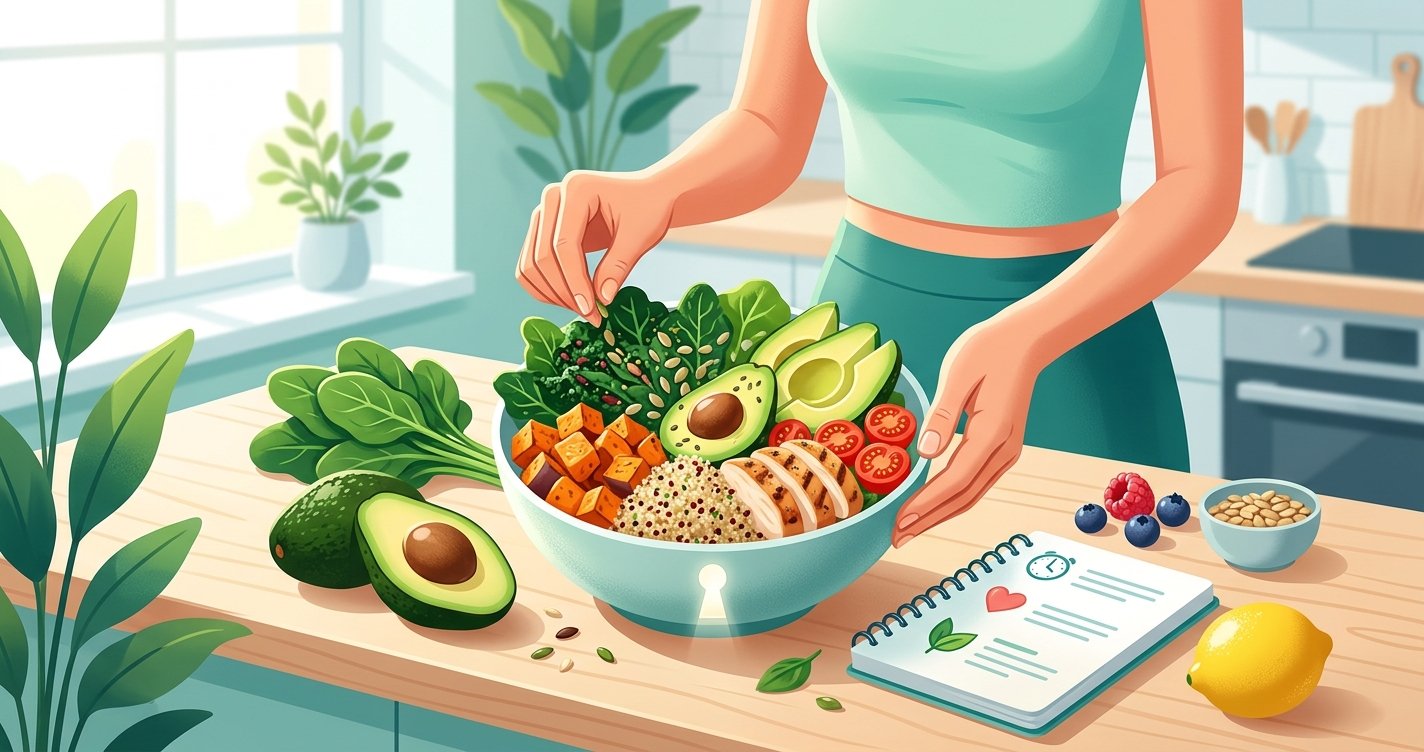
Beyond Crash Diets: Embracing Sustainable Nutrition for Lasting Fat Loss
Tired of the endless cycle of restrictive diets, rapid weight loss, and then gaining it all back (and sometimes more)? You're not alone. The world of fat loss is often cluttered with quick fixes and extreme approaches that are simply unsustainable in the long run. But what if we told you there’s a better way? A path to lasting fat loss that doesn't involve deprivation or misery, but rather smart, sustainable nutrition strategies that empower you to nourish your body and achieve your goals?
This isn't about counting every single calorie or cutting out entire food groups forever. It's about understanding how your body works, making informed choices, and building habits that you can maintain for life. Our focus today is on sustainable nutrition for fat loss – a friendly, evidence-based approach that prioritizes health, happiness, and results that stick. Let's ditch the diet dogma and discover how to fuel your body intelligently. this excellent wellness product
The Foundation: Understanding Your Calorie Needs (Without Obsession)
At its core, fat loss boils down to one fundamental principle: consuming fewer calories than your body burns. This is known as a calorie deficit. While this might sound intimidating, it doesn't mean starving yourself or meticulously tracking every morsel of food for the rest of your life.
Think of your body as a car. It needs fuel (calories) to run. If you put in less fuel than it needs for its daily journey (your Total Daily Energy Expenditure or TDEE), it starts tapping into its stored fuel reserves – your body fat. The key is to create a moderate, manageable deficit, typically 300-500 calories below your maintenance level. Why moderate? Because extreme restriction often leads to muscle loss (not just fat), nutrient deficiencies, intense cravings, and a slowed metabolism, making it harder to sustain and increasing the likelihood of rebound weight gain.
Instead of obsessing over exact numbers, focus on making small, consistent changes to your eating habits that naturally lead to a deficit. This might involve reducing portion sizes slightly, swapping high-calorie snacks for nutrient-dense alternatives, or adding more vegetables to your meals. These small shifts add up over time without making you feel deprived.
The Mighty Macronutrients: Fueling Your Body for Fat Loss
Once you understand the calorie deficit principle, the next step is to optimize the types of calories you're consuming. This is where macronutrients – protein, carbohydrates, and fats – come into play. Each plays a vital role in your body's function and your fat loss journey.
Protein: Your Satiety & Muscle Preservation Powerhouse
If there's one macronutrient to prioritize for fat loss, it's protein. Protein is essential for building and repairing tissues, but its benefits for weight management are particularly impressive:
- Satiety: Protein is incredibly filling. Including adequate protein in your meals helps you feel fuller for longer, reducing the urge to snack unnecessarily.
- Thermic Effect of Food (TEF): Your body expends more energy digesting protein compared to carbs or fats. This means you burn a few extra calories just by eating it!
- Muscle Preservation: When in a calorie deficit, there's a risk of losing muscle mass along with fat. Protein helps to preserve your precious muscle, which is metabolically active and helps keep your metabolism humming.
Aim for a lean protein source with every meal. Good examples include:
- Chicken breast, turkey, lean beef
- Fish (salmon, cod, tuna)
- Eggs
- Greek yogurt, cottage cheese
- Legumes (lentils, beans)
- Tofu, tempeh
Carbohydrates: Energy, Fiber, and Smart Choices
Carbohydrates often get a bad rap in the fat loss world, but they are your body's primary source of energy. The key is to choose the right kind of carbs and manage your portions.
- Complex Carbohydrates: These are your friends! Found in whole grains, fruits, and vegetables, complex carbs are rich in fiber, digest slowly, provide sustained energy, and help keep blood sugar levels stable.
- Simple Carbohydrates: Found in sugary drinks, candies, and highly processed foods, simple carbs provide a quick burst of energy followed by a crash, often leading to increased hunger and cravings. They also tend to be less nutrient-dense.
Focus on incorporating plenty of complex carbohydrates into your diet, especially around your workouts, to fuel your activity. Examples include:
- Oats, quinoa, brown rice, whole-wheat bread
- Sweet potatoes, potatoes
- Berries, apples, bananas
- Vegetables (broccoli, spinach, bell peppers)
Healthy Fats: Essential for Hormones and Fullness
Just like carbs, fats have been unfairly demonized. Healthy fats are absolutely crucial for hormone production, nutrient absorption (especially fat-soluble vitamins like A, D, E, K), and brain health. They also contribute to satiety, helping you feel satisfied after meals.
However, fats are calorie-dense, meaning a small amount packs a lot of calories. This is why portion control is important, even with healthy fats. Focus on incorporating unsaturated fats into your diet:
- Avocado
- Nuts (almonds, walnuts) and seeds (chia, flax)
- Olive oil, avocado oil
- Fatty fish (salmon, mackerel)
The Unsung Heroes: Fiber and Hydration
While macronutrients get a lot of attention, don't overlook these two crucial components for successful and sustainable fat loss.
Fiber: The Gut-Friendly Fullness Factor
Fiber is a type of carbohydrate that your body can't digest, but it's incredibly beneficial for fat loss and overall health. It helps you feel full by adding bulk to your meals, slows down digestion, and helps regulate blood sugar levels, preventing those energy crashes and subsequent cravings. Furthermore, fiber is vital for a healthy gut microbiome, which is increasingly linked to weight management.
Boost your fiber intake by including:
- Plenty of fruits and vegetables (aim for a variety of colors!)
- Whole grains (oats, quinoa, brown rice)
- Legumes (beans, lentils, chickpeas)
- Nuts and seeds
Water: Your Body's Essential Catalyst
It sounds simple, but staying adequately hydrated is a game-changer for fat loss. Water plays a role in nearly every bodily function, including metabolism. Sometimes, thirst can be mistaken for hunger, leading to unnecessary snacking. Drinking enough water can help:
- Boost metabolism slightly
- Promote feelings of fullness
- Aid in nutrient transport and waste removal
- Maintain energy levels
Aim for at least 8 glasses of water a day, and more if you're active or in a hot climate. Keep a water bottle handy and sip throughout the day.
Beyond Macros: Mindset and Practical Strategies
Sustainable fat loss isn't just about what you eat; it's also about how you eat and your overall approach.
Mindful Eating: Reconnecting with Your Body's Cues
In our fast-paced world, many of us eat distractedly, ignoring our body's natural hunger and fullness signals. Mindful eating is about paying attention to your food and your body during meals. This practice can prevent overeating and help you truly savor your food.
- Eat Slowly: It takes about 20 minutes for your stomach to signal your brain that you're full.
- Chew Thoroughly: Enjoy the flavors and textures.
- Pay Attention: Avoid distractions like TV or your phone.
- Listen to Your Body: Eat when you're truly hungry, stop when you're comfortably full, not stuffed.
Meal Planning & Prep: Your Roadmap to Consistency
Failing to plan is planning to fail, especially when it comes to nutrition. Meal planning and preparation can significantly impact your fat loss journey by:
- Reducing Impulsive Choices: When healthy meals are ready, you're less likely to grab unhealthy takeout.
- Saving Time and Money: Bulk cooking is efficient and often more cost-effective.
- Ensuring Balanced Meals: You can consciously include all your macronutrients and fiber.
Start small: plan your dinners for the week, or prep your lunches on a Sunday. Simple ideas include cooking a batch of chicken and roasted vegetables, preparing overnight oats for breakfast, or chopping veggies for quick salads.
The Importance of Flexibility and Patience
No one eats perfectly all the time, and that's okay! Sustainable fat loss isn't about perfection; it's about consistency over time. There will be days when you deviate from your plan, and that's a normal part of life. Don't let one 'off' meal or day derail your entire progress. Acknowledge it, learn from it, and get back on track with your next meal.
Patience is also key. Fat loss is a marathon, not a sprint. Celebrate small victories, focus on how you feel, and trust the process. Sustainable changes take time to yield lasting results.
Your Journey to Lasting Fat Loss Starts Now!
Embracing sustainable nutrition strategies is the most powerful tool you have for achieving lasting fat loss and improving your overall health. By focusing on a moderate calorie deficit, prioritizing protein, making smart carbohydrate and fat choices, boosting fiber, staying hydrated, and practicing mindful eating, you're not just losing weight – you're building a healthier, happier lifestyle.
Remember, this is your unique journey. Be kind to yourself, celebrate your progress, and trust that consistent, sustainable efforts will lead you to the results you desire. You've got this!