Unlock Lasting Fat Loss: Your Guide to Sustainable Nutrition Strategies
Are you tired of the endless cycle of fad diets, quick fixes, and the frustration of losing weight only to gain it back? You're not alone. Many of us have been caught in the trap of restrictive eating plans that promise rapid results but deliver only temporary relief and long-term disappointment. The truth is, sustainable fat loss isn't about deprivation; it's about smart, consistent, and enjoyable nutrition strategies that nourish your body and fit into your life for the long haul.
This isn't another diet plan. This is a guide to understanding the foundational principles of nutrition that will empower you to make informed choices, cultivate healthy habits, and achieve lasting fat loss without sacrificing your sanity or your favorite foods entirely. Let's dive into the evidence-based approach to eating smarter, feeling better, and transforming your body for good. this excellent wellness product
The Non-Negotiable Foundation: A Smart Calorie Deficit
At its core, fat loss boils down to one fundamental principle: consuming fewer calories than your body expends. This is known as creating a calorie deficit. While it might sound overly simplistic, understanding and managing your calorie intake is the bedrock upon which all other fat loss strategies are built.
However, 'smart' is the keyword here. A drastic calorie deficit can lead to muscle loss, nutrient deficiencies, plummeting energy levels, and a rebound effect that makes long-term success impossible. Our goal is a moderate, sustainable deficit that encourages fat loss while preserving muscle mass and supporting your overall health.
How to Estimate Your Needs (No Math Degree Required!)
You don't need to become a human calculator, but having a general idea of your daily calorie needs is incredibly helpful. Tools like online TDEE (Total Daily Energy Expenditure) calculators can give you a good starting point. These calculators estimate how many calories your body burns based on factors like your age, gender, weight, height, and activity level. Once you have this number, aim to create a deficit of 300-500 calories per day. This gradual reduction allows your body to adapt without feeling overly deprived.
Remember, these are estimates. The best approach is to track your intake for a week or two, observe your body's response, and adjust as needed. Consistency is far more important than perfection.
Fueling Your Body Right: The Power of Macronutrients
While calories are king for fat loss, the source of those calories plays a massive role in how you feel, your satiety levels, and your body composition. This is where macronutrients – protein, carbohydrates, and fats – come into play. Balancing these three macros effectively is crucial for sustainable fat loss.
Protein: Your Fat Loss MVP
If there's one macronutrient to prioritize for fat loss, it's protein. Here's why:
- Satiety: Protein is incredibly filling. Including adequate protein in your meals helps you feel fuller for longer, reducing the urge to snack unnecessarily.
- Muscle Preservation: When you're in a calorie deficit, your body can sometimes break down muscle tissue for energy. Eating enough protein helps protect your hard-earned muscle, ensuring that the weight you lose is primarily fat.
- Thermic Effect of Food (TEF): Protein has a higher TEF than carbs or fats, meaning your body burns more calories digesting and metabolizing it.
Good sources: Lean meats (chicken, turkey, beef), fish, eggs, dairy (Greek yogurt, cottage cheese), legumes, tofu, and protein powder.
Carbohydrates: Energy & Fiber for the Win
Carbohydrates have gotten a bad rap in some diet trends, but they are essential for energy, brain function, and overall health. The key is choosing the right kind of carbs:
- Complex Carbohydrates: Found in whole grains, fruits, and vegetables, these are rich in fiber. Fiber slows down digestion, provides sustained energy, helps regulate blood sugar, and contributes to satiety.
- Avoiding Refined Carbs: Sugary drinks, white bread, pastries, and highly processed snacks offer little nutritional value, spike blood sugar, and can lead to energy crashes and increased hunger.
Good sources: Oats, brown rice, quinoa, sweet potatoes, whole fruits, and a rainbow of vegetables.
Healthy Fats: Essential, But in Moderation
Dietary fats are vital for hormone production, nutrient absorption, and organ protection. They also contribute to satiety, helping you feel satisfied after meals. However, fats are calorie-dense, so portion control is crucial for fat loss.
Good sources: Avocados, nuts, seeds, olive oil, fatty fish (salmon, mackerel).
Embrace Whole Foods: Nature's Fat Loss Secret Weapon
Once you understand calories and macros, the next step is to prioritize whole, unprocessed foods. Think about what nature provides: fresh fruits, vegetables, lean proteins, whole grains, and healthy fats. These foods are packed with vitamins, minerals, antioxidants, and fiber – all essential for optimal health and effective fat loss.
Ultra-processed foods, on the other hand, are often high in unhealthy fats, added sugars, and sodium, and low in nutrients and fiber. They tend to be less satiating, encouraging overeating, and can contribute to inflammation and other health issues.
Building Your Plate: A Simple Guide
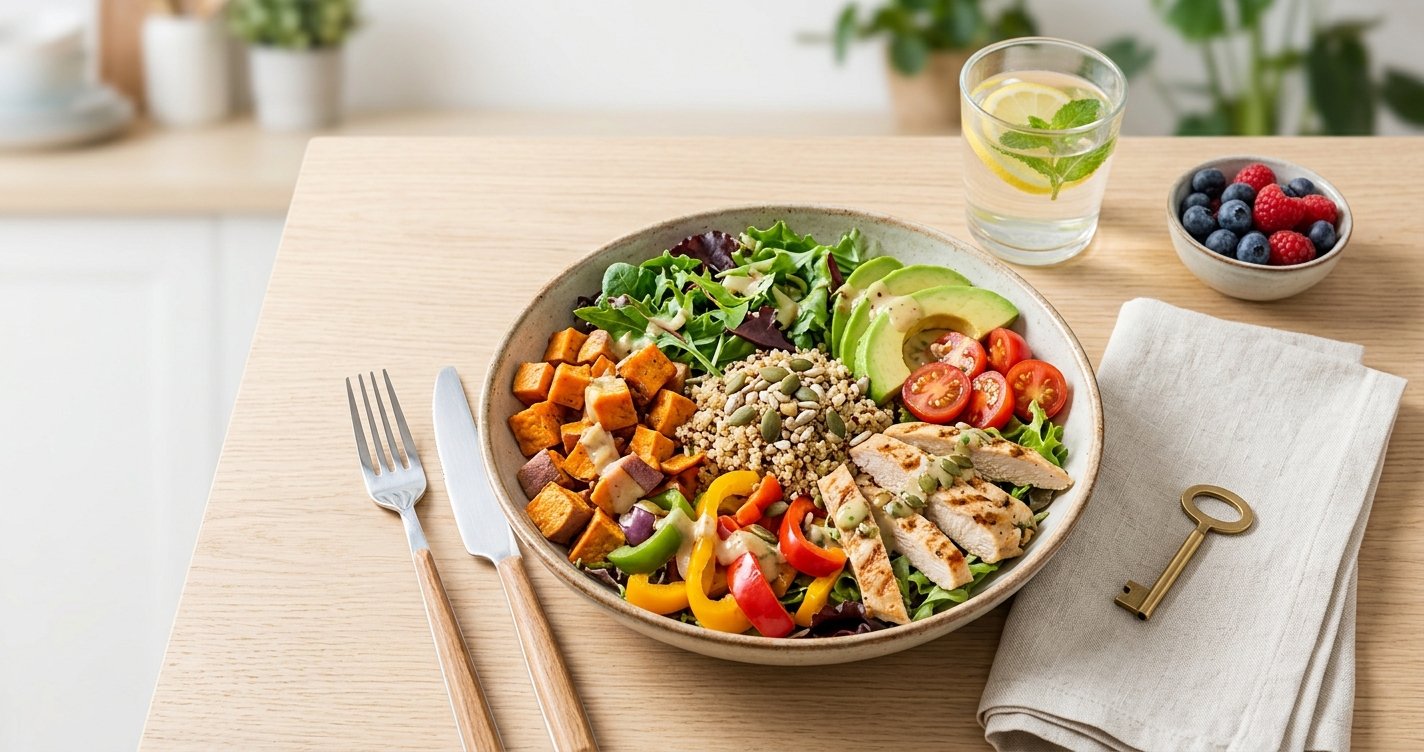
A great visual strategy is to think about your plate composition. Aim for:
- Half your plate: Non-starchy vegetables (broccoli, spinach, bell peppers, green beans).
- A quarter of your plate: Lean protein (chicken breast, fish, tofu).
- A quarter of your plate: Complex carbohydrates (quinoa, sweet potato, brown rice).
- A small portion: Healthy fats (a drizzle of olive oil, a few slices of avocado).
Mastering Mindful Eating: Beyond the Diet Rules
Sustainable fat loss isn't just about what you eat, but also how you eat. Mindful eating is a powerful practice that helps you reconnect with your body's natural hunger and fullness cues, fostering a healthier relationship with food.
Practical Mindful Eating Tips
- Slow Down: Put your fork down between bites. This gives your brain time to register that you're eating and helps you savor your food.
- Chew Thoroughly: Digestion begins in the mouth. Chewing your food properly aids digestion and allows you to appreciate the textures and flavors.
- Listen to Your Body: Eat when you're hungry, and stop when you're satisfied, not stuffed. Learn to distinguish between physical hunger and emotional cravings.
- Minimize Distractions: Turn off the TV, put away your phone. Focus on your meal and the experience of eating.
Hydration & Habits: The Unsung Heroes of Fat Loss
Often overlooked, proper hydration and consistent healthy habits play a significant role in your fat loss journey.
Water: Your Secret Satiety & Metabolism Booster
Drinking enough water is crucial. It helps with satiety (sometimes thirst is mistaken for hunger!), supports metabolism, aids digestion, and helps transport nutrients. Aim for at least 8 glasses (around 2 liters) a day, and more if you're active.
Meal Planning & Preparation: Set Yourself Up for Success
Failing to plan is planning to fail, especially when it comes to nutrition. Dedicate some time each week to:
- Plan Your Meals: Decide what you'll eat for breakfast, lunch, dinner, and snacks.
- Grocery Shop Smart: Buy ingredients for your planned meals, focusing on whole foods.
- Prep Ahead: Wash and chop vegetables, cook a batch of grains, or pre-cook lean proteins. Having healthy options readily available dramatically reduces the likelihood of reaching for less healthy alternatives when hunger strikes.
Consistency, Not Perfection: The Long Game
Fat loss is a marathon, not a sprint. There will be days when you deviate from your plan, special occasions, or simply moments of weakness. That's perfectly normal! The key is to get back on track with your next meal or the next day. Don't let one 'slip-up' derail your entire journey. Embrace progress over perfection and view challenges as learning opportunities.
Building flexibility into your plan is also vital. Allow yourself an occasional treat or a meal out with friends without guilt. Sustainable eating means finding a balance that allows you to enjoy life while still progressing towards your goals.
Navigating Challenges & Staying Motivated
Even with the best strategies, challenges will arise. Cravings, emotional eating, and plateaus are common hurdles. Develop strategies like having healthy snacks on hand, practicing stress-reduction techniques, and seeking support from friends, family, or a professional.
Remember, patience and self-compassion are your most powerful allies. Your body is a complex system, and fat loss doesn't happen in a linear fashion. Celebrate small victories, focus on how you feel, and trust the process. You are building habits that will serve you not just for a few months, but for a lifetime.
Your Sustainable Fat Loss Journey Starts Now
You now have the fundamental knowledge and actionable strategies to embark on a sustainable fat loss journey. Forget the restrictive diets and the endless pursuit of quick fixes. Instead, focus on nourishing your body with whole foods, understanding your calorie and macro needs, practicing mindful eating, staying hydrated, and building consistent healthy habits.
This approach isn't just about losing weight; it's about gaining health, energy, and a positive relationship with food that will serve you well for years to come. Start small, be consistent, and trust that with patience and persistence, you absolutely can achieve lasting fat loss and a healthier, happier you. You've got this!