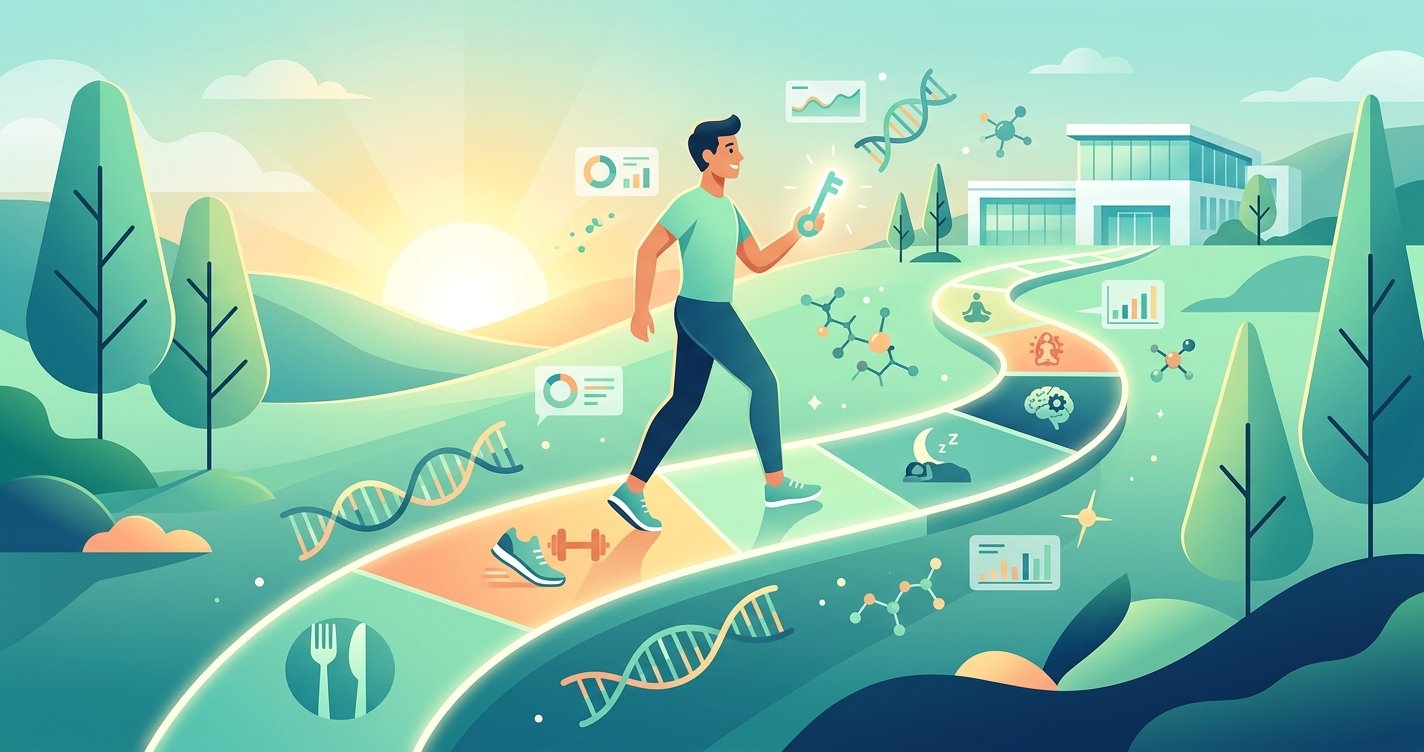
Introduction: Beyond the Quick Fix – Embracing Sustainable Fat Loss
In a world saturated with "lose weight fast" promises, it's easy to get caught in a cycle of restrictive diets and intense workout fads that ultimately lead to frustration and rebound weight gain. If you've ever felt trapped in this cycle, you're not alone. The truth is, sustainable fat loss isn't about deprivation; it's about understanding your body, building healthy habits, and fostering a mindset that supports long-term well-being.
This guide will cut through the noise, offering an evidence-based, friendly, and encouraging roadmap to achieving lasting fat loss. We'll explore the scientific principles that govern how our bodies store and burn fat, and equip you with practical, sustainable strategies that you can integrate into your everyday life. Forget the crash diets; it's time to build a foundation for success that truly lasts. this excellent wellness product
Understanding the Foundation: The Calorie Deficit Explained
At the heart of all fat loss lies one fundamental principle: the calorie deficit. Simply put, to lose fat, you must consume fewer calories than your body burns. Your body needs a certain amount of energy (calories) to perform its basic functions (breathing, circulation, digestion) and to fuel physical activity. When you consistently provide less energy than your body expends, it turns to its stored energy reserves – primarily fat – to make up the difference.
Think of it like a bank account: if you spend more money than you deposit, your balance goes down. Similarly, if your body "spends" more calories than you "deposit" through food, your fat stores will decrease. This isn't about starvation; it's about creating a manageable deficit that encourages fat loss without compromising your metabolism or energy levels. A moderate deficit of 300-500 calories per day is often recommended for sustainable and healthy fat loss, typically leading to a loss of 1-2 pounds per week. Drastic deficits can lead to muscle loss, nutrient deficiencies, and make adherence incredibly difficult, often leading to burnout and a return to old habits.
Fueling Your Body Smartly: Nutrition for Sustainability
While a calorie deficit is non-negotiable, how you achieve it makes all the difference. Sustainable fat loss isn't just about eating less; it's about eating better, nourishing your body, and feeling satisfied.
Macronutrients Matter: Protein, Carbs, and Fats
- Protein: The Satiety Superstar: Protein is crucial for fat loss. It helps you feel fuller for longer, reducing overall calorie intake. Furthermore, it's essential for preserving muscle mass, which is vital because muscle burns more calories at rest than fat. Aim for a protein source with every meal.
- Complex Carbohydrates: Your Energy Source: Don't fear carbs! Whole grains, fruits, and vegetables provide essential energy, fiber, and micronutrients. Fiber helps with satiety and digestive health. Prioritize complex carbs over refined sugars and processed grains.
- Healthy Fats: Essential for Health: Healthy fats (from avocados, nuts, seeds, olive oil) are vital for hormone production, nutrient absorption, and also contribute to satiety. While calorie-dense, they are crucial in moderation for overall health.
The Power of Whole Foods
Focus your diet around whole, unprocessed foods. These are naturally nutrient-dense, higher in fiber, and generally more filling than their processed counterparts. Think lean meats, fish, eggs, fruits, vegetables, legumes, and whole grains. Limiting ultra-processed foods, which are often high in sugar, unhealthy fats, and empty calories, is a game-changer for long-term health and fat loss.
Mindful Eating & Portion Control
Learning to listen to your body's hunger and fullness cues is a powerful tool. Eat slowly, savor your food, and pay attention to when you're truly satisfied, not just full. Portion control doesn't always mean tiny servings; it means being aware of appropriate serving sizes for your goals and needs. Using smaller plates or measuring out calorie-dense foods can be helpful strategies.
Move Your Body, Build Your Strength: Exercise for Lasting Change
Exercise complements a healthy diet beautifully, accelerating fat loss and improving overall health. It's not just about burning calories during a workout; it's about building a stronger, more metabolically active body.
The Magic of Strength Training
If there's one exercise type to prioritize for fat loss, it's strength training. Building and maintaining muscle mass is critical because muscle tissue burns more calories at rest than fat tissue. This means a more muscular body has a higher resting metabolism, making it easier to maintain a calorie deficit and burn fat even when you're not exercising. Aim for 2-3 full-body strength training sessions per week.
Incorporating Cardio Wisely
Cardiovascular exercise, like brisk walking, jogging, cycling, or swimming, is excellent for heart health, endurance, and burning additional calories. Both High-Intensity Interval Training (HIIT) and Low-Intensity Steady State (LISS) cardio have their benefits. HIIT can be time-efficient and boost post-exercise calorie burn, while LISS is great for recovery and accessible to all fitness levels. Find what you enjoy and can stick with consistently.
NEAT: The Unsung Hero of Calorie Burn
Don't underestimate Non-Exercise Activity Thermogenesis (NEAT) – the calories you burn through everyday movements outside of structured exercise. Things like walking to work, taking the stairs, fidgeting, gardening, or cleaning all contribute to your daily energy expenditure. Increasing your NEAT can significantly boost your overall calorie burn without feeling like a strenuous workout. Aim for more movement throughout your day!
Beyond Diet & Exercise: The Lifestyle Pillars
Sustainable fat loss isn't just about what you eat and how you move; it's deeply intertwined with your overall lifestyle. Neglecting these crucial pillars can sabotage even the most diligent efforts.
Prioritize Sleep
Lack of sleep can wreak havoc on your hormones, particularly ghrelin (the hunger hormone) and leptin (the satiety hormone), leading to increased cravings and a tendency to overeat. It also elevates cortisol, a stress hormone that can promote fat storage, especially around the belly. Aim for 7-9 hours of quality sleep per night to support your fat loss goals and overall well-being.
Manage Stress Effectively
Chronic stress, like sleep deprivation, can lead to elevated cortisol levels. This not only encourages fat storage but can also trigger emotional eating as a coping mechanism. Find healthy ways to manage stress, whether it's through meditation, yoga, spending time in nature, hobbies, or connecting with loved ones. Reducing stress helps create a more conducive environment for fat loss.
Hydration is Key
Drinking enough water is simple but incredibly important. Water is involved in countless bodily functions, including metabolism. Sometimes, our bodies can confuse thirst with hunger, leading to unnecessary snacking. Staying well-hydrated can also help you feel fuller and can even slightly boost your metabolism. Keep a water bottle handy throughout the day and sip regularly.
Cultivating a Winning Mindset: Consistency and Patience
The journey to sustainable fat loss is as much mental as it is physical. Your mindset, patience, and consistency will be your greatest allies.
Ditch Perfectionism, Embrace Progress
No one is perfect, and neither will your fat loss journey be. There will be days when you overeat, miss a workout, or feel discouraged. The key is not to let one slip-up derail your entire progress. Learn from it, forgive yourself, and get back on track with your next meal or workout. Consistency over perfection is the secret sauce to long-term success.
Set Realistic Goals & Celebrate Non-Scale Victories
Sustainable fat loss is a marathon, not a sprint. Aim for a realistic pace of 1-2 pounds per week. Celebrate your non-scale victories – improved energy, better sleep, clothes fitting differently, increased strength, a more positive mood. These are powerful indicators of progress that often get overlooked when solely focusing on the number on the scale.
Seek Support and Accountability
You don't have to do this alone. Share your goals with a supportive friend or family member, join a community, or consider working with a coach. Having someone to share your journey with, celebrate successes, and offer encouragement during challenges can make a significant difference in your motivation and adherence.
Conclusion: Your Journey to a Healthier, Happier You
Sustainable fat loss isn't a temporary fix; it's a profound shift towards a healthier, more balanced lifestyle. By understanding the science of a calorie deficit, prioritizing nutrient-dense foods, embracing strength training, optimizing your sleep and stress, and cultivating a resilient mindset, you are building habits that will serve you for a lifetime.
Remember, this is your unique journey. Be patient with yourself, celebrate every step forward, and focus on becoming the healthiest version of you, inside and out. The power to transform your health and achieve lasting results is within your reach – start building those sustainable habits today!