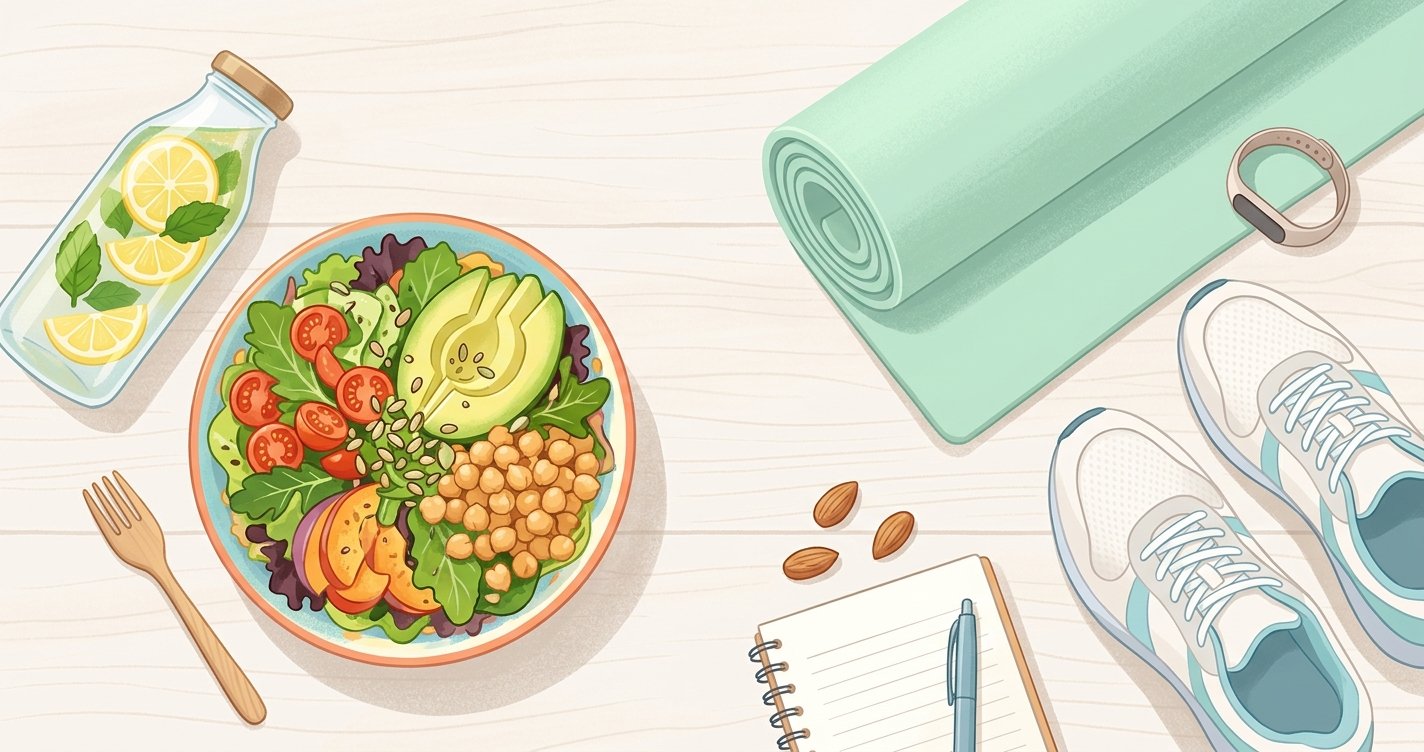
Are you tired of the endless cycle of restrictive diets, rapid weight loss, and then, inevitably, gaining it all back? You’re not alone. The world of fat loss is often dominated by tempting quick fixes and sensational promises that rarely deliver long-term results. But what if there was a better way? A path that focuses on gradual, consistent progress, building healthy habits, and understanding your body for lasting success?
Welcome to your friendly, evidence-based guide to sustainable fat loss. Forget the crash diets and detox teas; we’re going to explore how you can achieve your body composition goals in a way that’s healthy, enjoyable, and, most importantly, maintainable for life. This isn't about deprivation; it's about empowerment, education, and embracing a lifestyle that truly serves you. this excellent wellness product
The Allure and Illusion of Quick Fixes
In our fast-paced world, it's easy to fall for the promise of instant gratification. Diet fads, extreme calorie restriction, and miracle pills offer alluring shortcuts to a leaner physique. While some might show initial rapid weight loss, these methods are often unsustainable and detrimental to your health in the long run.
Why Crash Diets Fail
Crash diets typically involve severely cutting calories or eliminating entire food groups. While your body will initially shed water weight and some fat, it also starts to adapt. Your metabolism can slow down as your body perceives starvation, making it harder to lose weight and easier to regain it once you return to normal eating patterns. Nutrient deficiencies, fatigue, irritability, and muscle loss are also common unwelcome side effects.
The Yo-Yo Effect Explained
This cycle of losing and regaining weight is known as the "yo-yo effect" or weight cycling. It's not just frustrating; it can be damaging to your metabolism, body composition, and even your relationship with food. Each time you regain weight, it's often a higher percentage of fat and a lower percentage of muscle, further complicating future fat loss efforts.
The True Pillars of Sustainable Fat Loss
Sustainable fat loss isn't about magic; it's about consistency with fundamental principles. These are the cornerstones that will support your journey.
Calorie Deficit: The Non-Negotiable Foundation
At its core, fat loss requires a calorie deficit – consistently consuming fewer calories than your body burns. This forces your body to tap into its stored fat reserves for energy. However, the key here is a moderate deficit (typically 300-500 calories below maintenance) to ensure you're losing fat, not just muscle, and that it's sustainable without feeling deprived.
- Track for Awareness: Briefly tracking your food intake can provide invaluable insight into your current eating habits and calorie consumption.
- Be Mindful: Even without strict tracking, understanding portion sizes and the caloric density of foods is crucial.
Protein Power: Your Muscle-Preserving Ally
Protein is your best friend when it comes to fat loss. It's highly satiating, helping you feel fuller for longer, which can naturally reduce overall calorie intake. More importantly, a higher protein intake (aim for 0.7-1 gram per pound of target body weight) helps preserve muscle mass during a calorie deficit, which is vital for maintaining a healthy metabolism.
- Include in Every Meal: Think lean meats, poultry, fish, eggs, dairy, legumes, and plant-based protein sources.
- Boost Satiety: Protein slows digestion, keeping hunger at bay.
Prioritizing Whole Foods: Fueling Your Body Right
While a calorie deficit is paramount, the quality of your calories matters immensely for overall health and sustainable results. Focus on whole, unprocessed foods that are rich in nutrients and fiber.
- Fruits and Vegetables: High in fiber, vitamins, minerals, and low in calories. Fill half your plate with them!
- Complex Carbohydrates: Oats, brown rice, quinoa, sweet potatoes provide sustained energy and fiber.
- Healthy Fats: Avocados, nuts, seeds, olive oil are essential for hormone production and satiety, but remember they are calorie-dense.
Movement That Matters: Exercise for Long-Term Success
While diet is king for fat loss, exercise is the queen, playing a crucial role in improving body composition, boosting metabolism, and enhancing overall well-being.
Embrace Strength Training
Resistance training is incredibly effective for fat loss, not just because it burns calories during your workout, but because it builds and maintains muscle mass. More muscle means a higher resting metabolic rate, meaning your body burns more calories even when you're at rest. Aim for 2-4 sessions per week, focusing on compound movements.
The Role of Cardio
Cardiovascular exercise, like brisk walking, jogging, cycling, or swimming, is excellent for burning calories, improving heart health, and boosting mood. Integrate both steady-state cardio and high-intensity interval training (HIIT) if appropriate for your fitness level, but remember that consistency is more important than intensity initially.
Don't Forget NEAT (Non-Exercise Activity Thermogenesis)
This refers to the calories burned through everyday activities that aren't structured exercise – walking to work, taking the stairs, fidgeting, gardening. Increasing your NEAT can significantly contribute to your daily calorie expenditure. Small changes add up!
The Mind-Body Connection: Beyond Diet and Exercise
Often overlooked, these elements are critical for long-term fat loss and overall health.
The Power of Quality Sleep
Lack of sleep can wreak havoc on your hormones, increasing ghrelin (the hunger hormone) and decreasing leptin (the satiety hormone). This can lead to increased cravings for unhealthy foods and make it harder to stick to your calorie goals. Aim for 7-9 hours of quality sleep per night.
Managing Stress for Better Results
Chronic stress elevates cortisol levels, which can promote fat storage, especially around the belly area, and increase cravings. Find healthy ways to manage stress, whether it's meditation, yoga, spending time in nature, or hobbies you enjoy.
Mindful Eating: A Game Changer
Paying attention to your body's hunger and fullness cues, savoring your food, and eating without distractions can prevent overeating and improve your relationship with food. Slow down, taste your food, and listen to your body.
Building Habits That Stick: Consistency Over Perfection
Sustainable fat loss isn't about being perfect; it's about being consistent and patient. Small, consistent changes yield far greater results than drastic, short-lived efforts.
Start Small, Build Big
Instead of overhauling everything at once, pick one or two habits to focus on each week. Maybe it's adding a serving of vegetables to every meal, drinking more water, or going for a 20-minute walk daily. Once that habit feels natural, add another. This gradual approach is much more sustainable.
Patience and Persistence
Fat loss is not linear. There will be good days and challenging days. Celebrate your progress, learn from setbacks, and remember that consistency over time is what truly matters. Trust the process and be kind to yourself.
Navigating Plateaus and Staying Motivated
Even with the best intentions, you might hit a plateau. Don't get discouraged – it's a normal part of the journey.
When Progress Stalls
If your fat loss stalls for a few weeks, reassess your current habits. Are you still in a calorie deficit? Has your NEAT decreased? Could a slight adjustment to your calories or exercise routine be beneficial? Sometimes, a "diet break" (a short period at maintenance calories) can even help reset your metabolism and re-energize your efforts.
Reconnecting with Your 'Why'
On challenging days, remind yourself why you started this journey. Is it for better health, more energy, improved confidence? Tapping into your intrinsic motivation can provide the boost you need to keep going.
Your Journey to Lasting Fat Loss Starts Now
Embracing a sustainable approach to fat loss means ditching the restrictive mindset and adopting a lifestyle that supports your health and well-being in the long run. It's about nourishing your body, moving it joyfully, prioritizing rest, and cultivating a positive mindset. Remember, this is a journey, not a destination. Celebrate every step, be patient with yourself, and enjoy the process of building a healthier, stronger you.
Ready to embark on your sustainable fat loss journey? Small changes, consistently applied, lead to extraordinary results. You’ve got this!