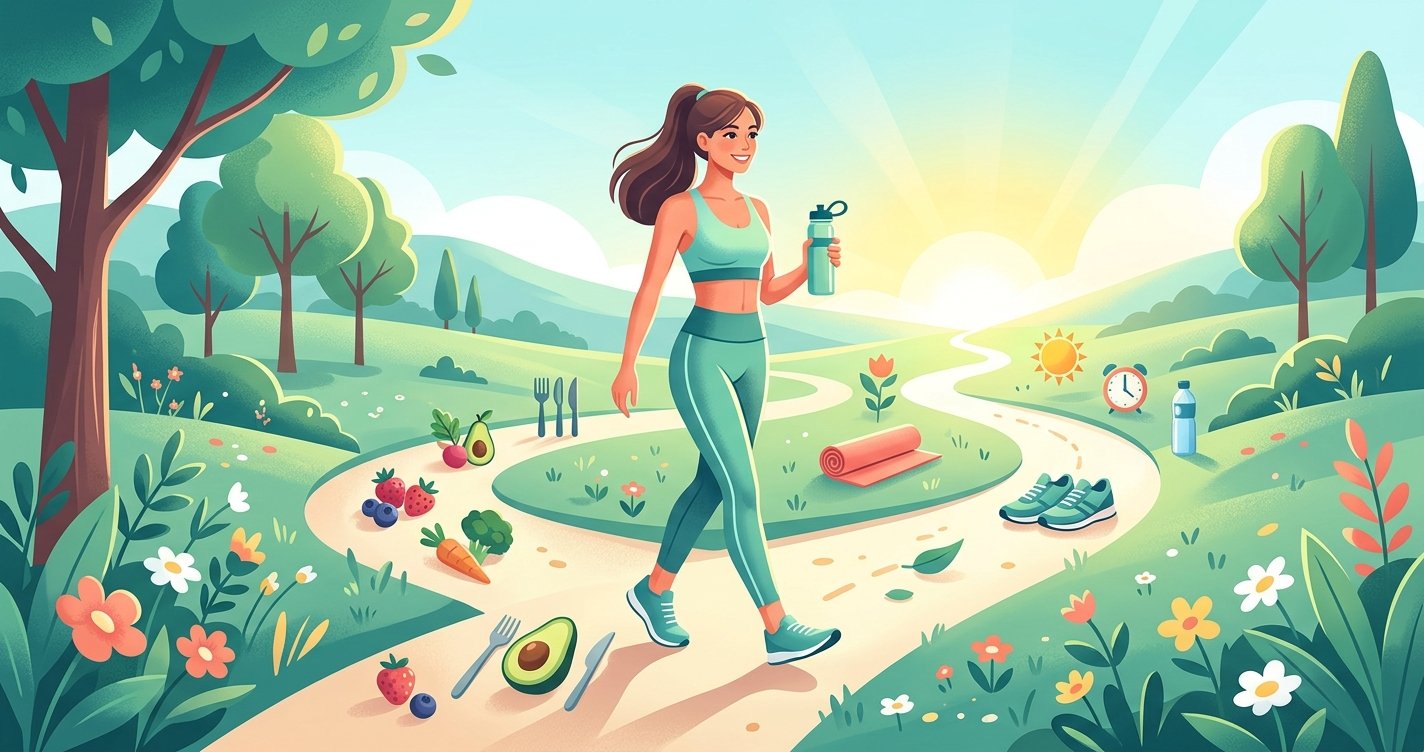
Unlock Lasting Results: Your Guide to Sustainable Fat Loss Through Balanced Nutrition & Lifestyle
Tired of the endless cycle of restrictive diets, quick fixes, and disappointing rebounds? You're not alone. Many people embark on their fat loss journey with immense enthusiasm, only to find themselves burnt out, frustrated, and heavier than when they started. The truth is, sustainable fat loss isn't about deprivation or extreme measures; it's about cultivating a balanced, healthy lifestyle that nourishes your body and mind for the long haul.
This isn't another fad diet manifesto. Instead, we're diving deep into an evidence-based, encouraging approach to help you achieve lasting fat loss, improve your overall health, and build habits you can truly stick with. Get ready to ditch the crash diets and embrace a smarter, kinder, and more effective path to a healthier you. this excellent wellness product
The Foundation: Understanding Sustainable Fat Loss
Before we jump into specific strategies, let's reset our understanding of what sustainable fat loss truly means. It's not just about the number on the scale; it's about reducing body fat while maintaining muscle mass, improving metabolic health, and fostering a positive relationship with food and your body.
It's More Than Just Calories In, Calories Out (But That's Key!)
At its core, fat loss requires a calorie deficit – consuming fewer calories than your body burns. However, simply cutting calories without considering their source can lead to nutrient deficiencies, muscle loss, and a sluggish metabolism. Sustainable fat loss emphasizes the quality of your calories, ensuring you get adequate nutrients, fiber, and protein to support your body's functions and keep you feeling satisfied.
Why "Quick Fixes" Don't Last
Rapid fat loss often comes at a cost: significant muscle loss, metabolic slowdown, and an increased likelihood of regaining the weight. These extreme approaches are often unsustainable because they:
- Are too restrictive, leading to cravings and eventual binges.
- Don't teach healthy eating habits.
- Cause physiological adaptations that make fat loss harder in the long run (e.g., reduced leptin, increased ghrelin).
- Are mentally and emotionally draining.
Our focus here is on building habits that integrate seamlessly into your life, ensuring you can maintain your results without constant struggle.
Pillar 1: Balanced Nutrition – Fueling Your Body Smartly
Nutrition is arguably the most critical component of fat loss. But "balanced" doesn't mean boring or bland. It means making smart choices that provide energy, satiety, and essential nutrients.
Prioritize Protein: Your Satiety and Muscle Ally
Protein is a powerhouse for fat loss. It's the most satiating macronutrient, meaning it keeps you feeling fuller for longer, reducing the likelihood of overeating. Moreover, protein helps preserve lean muscle mass during a calorie deficit, which is crucial for maintaining a healthy metabolism. Aim for 20-30 grams of protein per meal.
- Sources: Lean meats (chicken, turkey, lean beef), fish, eggs, dairy (Greek yogurt, cottage cheese), legumes, tofu, tempeh, protein powder.
Embrace Whole Carbohydrates: Energy and Fiber Powerhouses
Carbohydrates are not the enemy! Whole, unrefined carbohydrates provide essential energy for your workouts and daily activities, along with vital fiber. Fiber aids digestion, helps regulate blood sugar, and contributes to satiety. Focus on complex carbs and limit refined sugars and processed grains.
- Sources: Oats, quinoa, brown rice, whole-wheat bread/pasta, sweet potatoes, fruits, vegetables.
Don't Fear Healthy Fats: Essential for Health and Satiety
Healthy fats are crucial for hormone production, nutrient absorption, and long-term satiety. While calorie-dense, incorporating moderate amounts of healthy fats into your diet can prevent cravings and support overall well-being. Focus on unsaturated fats.
- Sources: Avocados, nuts, seeds, olive oil, fatty fish (salmon, mackerel).
Hydration: The Often-Overlooked Superpower
Water plays a vital role in metabolism, nutrient transport, and even appetite regulation. Sometimes, thirst can be mistaken for hunger. Staying adequately hydrated can help you feel fuller and optimize your body's fat-burning processes.
- Tip: Carry a water bottle, drink a glass before meals, and flavor water with fruit slices if plain water is unappealing.
Pillar 2: Strategic Movement – Beyond Just "Working Out"
While nutrition is paramount, incorporating strategic movement accelerates fat loss, improves body composition, and boosts overall health. It's not just about burning calories during your workout; it's about building a stronger, more efficient body.
Strength Training: Your Metabolism's Best Friend
Strength training is incredibly effective for fat loss because it builds and preserves muscle mass. More muscle means a higher resting metabolic rate (RMR), meaning your body burns more calories even at rest. Aim for 2-4 full-body strength sessions per week.
- Benefits: Increased RMR, improved body composition, enhanced bone density, greater functional strength.
Cardio: For Heart Health and Calorie Burn
Cardiovascular exercise is excellent for burning calories, improving heart health, and boosting endurance. You can incorporate both steady-state cardio (LISS – Low-Intensity Steady State, like walking or jogging) and high-intensity interval training (HIIT) depending on your fitness level and goals.
- Tip: Find activities you enjoy – hiking, cycling, dancing, swimming – to make cardio sustainable.
NEAT: The Everyday Fat Loss Booster
Non-Exercise Activity Thermogenesis (NEAT) refers to the calories burned through everyday movements that aren't formal exercise. This includes walking, fidgeting, taking the stairs, cleaning, and gardening. Boosting your NEAT can significantly increase your daily calorie expenditure.
- Examples: Take the stairs instead of the elevator, park further away, walk during phone calls, stand more often.
Pillar 3: Lifestyle Factors – The Unsung Heroes
Beyond diet and exercise, several lifestyle elements profoundly impact your ability to lose fat and maintain it. Ignoring these can sabotage even the most diligent efforts.
Master Your Sleep: Recharge and Regulate Hormones
Lack of sleep disrupts hormones crucial for appetite and metabolism. Poor sleep increases ghrelin (hunger hormone) and decreases leptin (satiety hormone), leading to increased cravings and a tendency to overeat. It also elevates cortisol, which can promote fat storage, especially around the belly.
- Goal: Aim for 7-9 hours of quality sleep per night.
- Tips: Establish a consistent sleep schedule, create a relaxing bedtime routine, optimize your bedroom environment.
Stress Less, Lose More: Managing Cortisol Levels
Chronic stress triggers the release of cortisol, a hormone that can increase appetite, promote sugar cravings, and encourage fat storage, particularly visceral fat around the abdomen. Finding effective ways to manage stress is vital for sustainable fat loss.
- Strategies: Meditation, yoga, deep breathing exercises, spending time in nature, hobbies, journaling, social connection.
Mindful Eating: Connecting with Your Body's Signals
Mindful eating is about paying attention to your food, your body's hunger and fullness cues, and the experience of eating. It helps you recognize true hunger versus emotional eating, savor your food, and prevent overconsumption.
- Practice: Eat slowly, chew thoroughly, put your fork down between bites, eliminate distractions (TV, phone), and tune into how your body feels.
Putting It All Together: Your Action Plan for Lasting Change
Embarking on a sustainable fat loss journey doesn't mean overhauling your entire life overnight. It's about making small, consistent changes that build momentum and become second nature.
- Start Small: Pick one or two areas to focus on first (e.g., adding protein to every meal, walking 30 minutes daily, improving sleep hygiene).
- Be Consistent, Not Perfect: Don't let a "bad" meal or missed workout derail you. Get back on track with your next meal or opportunity.
- Track Progress Beyond the Scale: While the scale can be a tool, also pay attention to how your clothes fit, your energy levels, strength gains, and overall mood.
- Educate Yourself: Understand the "why" behind your choices. The more you learn, the more empowered you become.
- Seek Support: Share your goals with a trusted friend, family member, or consider working with a coach or registered dietitian.
- Practice Patience and Self-Compassion: Sustainable fat loss is a journey, not a race. There will be ups and downs. Be kind to yourself throughout the process.
Conclusion
Sustainable fat loss isn't about chasing fleeting results; it's about embracing a holistic approach that prioritizes your health, well-being, and long-term success. By focusing on balanced nutrition, strategic movement, and crucial lifestyle factors like sleep and stress management, you're not just losing fat – you're building a foundation for a healthier, happier, and more vibrant life. Ditch the diet mentality, trust the process, and empower yourself with habits that truly last. Your body and mind will thank you for it!