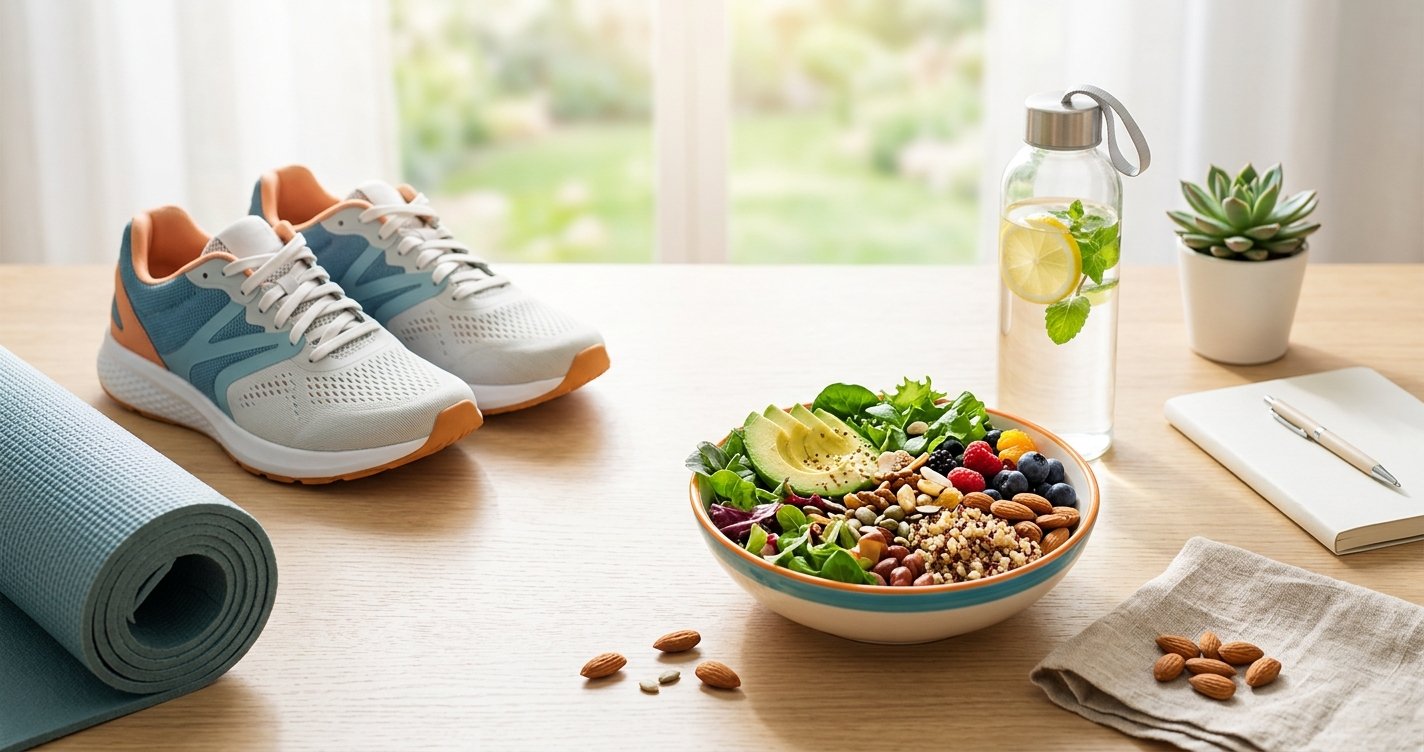
Unlock Lasting Results: Your Ultimate Guide to Sustainable Fat Loss
We've all been there: the allure of the 'quick fix' diet, the promise of shedding pounds in record time, only to find ourselves back where we started – or even heavier – a few months down the line. The journey to fat loss can often feel like a frustrating cycle of hope and disappointment. But what if there was a better way? A path that not only helps you achieve your fat loss goals but also empowers you to maintain them for life? Welcome to the world of sustainable fat loss.
This isn't about deprivation, extreme measures, or sacrificing your favorite foods forever. It's about understanding your body, building healthy habits that fit your lifestyle, and cultivating a mindset that supports long-term success. In this comprehensive guide, we'll dive deep into the evidence-based strategies that truly work, helping you break free from the yo-yo dieting trap and embrace a healthier, happier you for good. Get ready to transform not just your body, but your entire approach to wellness. this excellent wellness product
Why Quick Fixes Fail: The Cycle of Frustration
Before we build a sustainable future, let's understand why so many traditional fat loss methods fall short. Crash diets, detoxes, and overly restrictive eating plans often promise rapid results, and sometimes they deliver—in the short term. However, these approaches are rarely sustainable because they are:
- Too Restrictive: Eliminating entire food groups or drastically cutting calories leads to cravings, nutrient deficiencies, and often, an unhealthy relationship with food.
- Unrealistic: They demand drastic lifestyle changes that are impossible to maintain in the long run, especially with social events, work, and family commitments.
- Metabolically Damaging: Very low-calorie diets can slow down your metabolism, making it harder to lose weight and easier to regain it once you stop the diet. This is often referred to as metabolic adaptation.
- Mentally Draining: The constant struggle, the feeling of deprivation, and the inevitable slip-ups can lead to guilt, shame, and eventually, giving up altogether.
This cycle of rapid loss followed by rapid regain is not only disheartening but can also be detrimental to your physical and mental health. Sustainable fat loss, on the other hand, focuses on gradual, consistent progress that respects your body and your lifestyle.
The Cornerstone of Sustainable Fat Loss: Calorie Deficit (The Right Way)
At its core, fat loss boils down to one fundamental principle: consuming fewer calories than your body expends. This creates a calorie deficit, forcing your body to tap into its stored fat reserves for energy. However, the 'right way' to achieve this deficit is crucial for sustainability and health.
- Moderate Deficit: Aim for a modest deficit of 300-500 calories per day. This allows for steady fat loss (typically 1-2 pounds per week) without triggering extreme hunger, energy crashes, or significant metabolic slowdown.
- Track, Don't Obsess: Tools like MyFitnessPal or Cronometer can be helpful for a few weeks to understand portion sizes and calorie content. However, you don't need to track forever. Learn to intuitively understand your intake.
- Listen to Your Body: True hunger is different from cravings or boredom. Learn to distinguish between them.
Remember, a calorie deficit is necessary, but it's not the whole story. The quality of those calories is just as important, if not more so, for long-term health and satiety.
Fueling Your Body Smartly: Beyond Just Calories
Once you understand the concept of a calorie deficit, the next step is to optimize your food choices to make that deficit feel effortless and nourishing. This means prioritizing nutrient-dense foods that keep you full, energized, and support overall health.
- Protein Power: Protein is your best friend for fat loss. It's highly satiating, helps preserve muscle mass during a deficit (which keeps your metabolism humming), and has a higher thermic effect of food (meaning your body burns more calories digesting it). Aim for 0.7-1 gram of protein per pound of body weight. Think lean meats, poultry, fish, eggs, dairy, legumes, and tofu.
- Fiber-Rich Foods: Found in fruits, vegetables, whole grains, and legumes, fiber adds bulk to your meals, promoting fullness and aiding digestion. It also helps regulate blood sugar levels, preventing energy crashes and subsequent cravings. Fill half your plate with colorful vegetables!
- Healthy Fats: Don't fear fats! Healthy fats from avocados, nuts, seeds, olive oil, and fatty fish (like salmon) are essential for hormone production, nutrient absorption, and satiety. They also add flavor, making your meals more enjoyable. Just remember they are calorie-dense, so portion control is key.
- Hydration is Key: Often overlooked, adequate water intake is vital. Sometimes, thirst is mistaken for hunger. Drinking water before meals can also help you feel fuller.
Focus on whole, unprocessed foods. These choices provide the vitamins, minerals, and antioxidants your body needs to thrive, making your fat loss journey not just effective but also incredibly healthy.
Move Your Body, Love Your Body: Exercise for Longevity and Fat Loss
While nutrition is paramount for creating a calorie deficit, exercise is a powerful tool for accelerating fat loss, improving body composition, and boosting overall well-being. It's not just about burning calories; it's about building strength, endurance, and a healthier you.
- Strength Training: Your Metabolic Booster: Don't skip the weights! Lifting weights helps build and preserve muscle mass. More muscle means a higher resting metabolism, meaning your body burns more calories even when you're at rest. Aim for 2-4 strength training sessions per week, targeting all major muscle groups.
- Cardio for Heart Health and Calorie Burn: Incorporate both steady-state cardio (like brisk walking, jogging, cycling) and high-intensity interval training (HIIT) into your routine. Cardio improves cardiovascular health and contributes to your calorie deficit. HIIT can be particularly effective for fat burning due to the 'afterburn effect.'
- NEAT (Non-Exercise Activity Thermogenesis): This refers to the calories you burn through everyday activities outside of structured exercise. Think walking more, taking the stairs, standing at your desk, gardening. Boosting your NEAT can significantly increase your daily calorie expenditure without feeling like a 'workout.'
- Consistency Over Intensity: The best exercise routine is the one you can stick to. Find activities you genuinely enjoy, whether it's dancing, hiking, swimming, or team sports. Consistency is far more important than sporadic, intense bursts of activity.
Exercise should be an enjoyable part of your life, not a punishment. Find what moves you and make it a regular habit.
The Power of Sleep and Stress Management in Your Fat Loss Journey
You might be meticulously tracking your food and crushing your workouts, but if you're neglecting sleep and stress, you could be unknowingly sabotaging your fat loss efforts. These often-overlooked factors play a critical role in your body's ability to burn fat and function optimally.
- Prioritize Sleep: When you're sleep-deprived, your body produces more ghrelin (the hunger hormone) and less leptin (the satiety hormone). This means you're likely to feel hungrier and less satisfied, leading to increased calorie intake. Aim for 7-9 hours of quality sleep per night. Establish a consistent sleep schedule, create a relaxing bedtime routine, and optimize your sleep environment.
- Manage Stress: Chronic stress elevates cortisol levels, often dubbed the 'stress hormone.' High cortisol can promote fat storage, especially around the abdominal area, and increase cravings for high-sugar, high-fat foods. Incorporate stress-reducing practices into your daily life: meditation, yoga, deep breathing exercises, spending time in nature, or engaging in hobbies you enjoy.
Think of sleep and stress management as non-negotiable pillars of your sustainable fat loss plan. They don't just impact your waistline; they profoundly affect your overall health, mood, and energy levels.
Cultivating a Sustainable Mindset: Patience, Consistency, and Self-Compassion
Sustainable fat loss isn't just about what you eat or how you move; it's profoundly about how you think and feel. Your mindset is the invisible engine driving your long-term success. Without the right mental approach, even the most perfect diet and exercise plan can crumble.
- Embrace Patience: Fat loss is not linear. There will be plateaus, fluctuations, and weeks where the scale doesn't budge. Understand that this is normal. Celebrate non-scale victories like increased energy, better sleep, stronger lifts, or clothes fitting better.
- Prioritize Consistency Over Perfection: You don't need to be perfect every day. Life happens. A missed workout or an indulgent meal doesn't derail your entire journey. It's about getting back on track with the next meal or the next opportunity to move. Consistency in your overall habits is what truly matters.
- Practice Self-Compassion: Be kind to yourself. Treat yourself with the same understanding and encouragement you would offer a friend. Negative self-talk, guilt, and shame are counterproductive. Learn from setbacks without dwelling on them.
- Focus on Habits, Not Just Outcomes: Instead of fixating solely on the number on the scale, focus on building sustainable habits: eating protein at every meal, drinking enough water, getting daily steps, and prioritizing sleep. The positive outcomes will naturally follow.
- Identify and Address Triggers: Understand what situations, emotions, or environments lead to unhealthy choices. Once you identify these triggers, you can develop strategies to navigate them effectively.
Your fat loss journey is a marathon, not a sprint. Cultivating a positive, resilient mindset will be your most powerful tool for navigating the ups and downs and ultimately achieving lasting success.
Building Your Personalized Sustainable Fat Loss Plan
Now that you have the foundational knowledge, it's time to put it into action. Remember, there's no one-size-fits-all approach. Your plan should be tailored to your unique body, preferences, and lifestyle.
- Assess Your Starting Point: Understand your current habits, activity level, and dietary patterns. What are your strengths? What are areas for improvement?
- Set Realistic Goals: Instead of aiming to lose 20 pounds in a month, focus on losing 1-2 pounds per week. Set process goals (e.g., 'I will strength train three times a week') rather than just outcome goals.
- Make Gradual Changes: Don't overhaul everything at once. Start with one or two small, manageable changes. For example, add a serving of vegetables to dinner, or go for a 15-minute walk daily. Once that becomes a habit, add another.
- Plan Your Meals: Meal prepping or simply planning your meals a few days in advance can significantly reduce impulsive, unhealthy choices. Have healthy snacks readily available.
- Incorporate Varied Exercise: Mix strength training, cardio, and daily movement. Find activities you enjoy to ensure long-term adherence.
- Prioritize Recovery: Schedule rest days, ensure adequate sleep, and practice stress-reduction techniques.
- Track Progress (Beyond the Scale): Use photos, measurements, how your clothes fit, energy levels, and strength gains as indicators of progress. Weigh yourself no more than once a week, or even less frequently, to avoid obsession.
- Seek Support: Share your goals with a supportive friend or family member. Consider working with a registered dietitian or certified personal trainer for personalized guidance and accountability.
- Learn and Adjust: Pay attention to what works for your body and what doesn't. Be prepared to adapt your plan as you learn more about yourself and as your body changes.
Your Journey to Lasting Change Starts Today!
Sustainable fat loss isn't a destination; it's a journey of continuous learning, self-discovery, and empowerment. It's about nurturing your body with wholesome foods, moving it in ways you enjoy, prioritizing rest, and cultivating a resilient mindset. By focusing on these pillars, you're not just losing weight; you're building a healthier, more vibrant life that you can truly sustain.
Say goodbye to the endless cycle of quick fixes and hello to lasting results. You have the power to create meaningful, enduring change. Start small, stay consistent, be patient with yourself, and celebrate every step of your progress. Your healthier, happier future awaits!