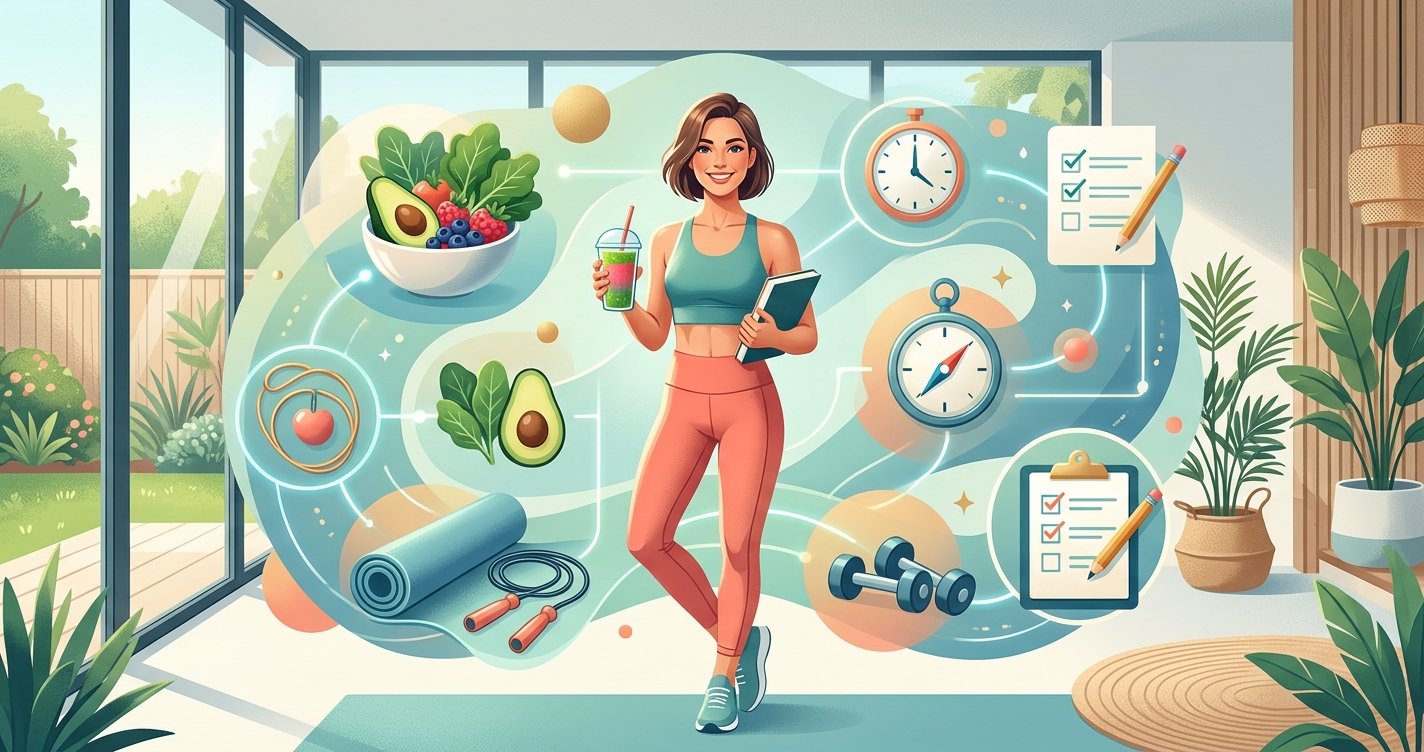
Unlock Sustainable Fat Loss: Your Balanced Blueprint for Lasting Results
Are you tired of the endless cycle of restrictive diets, intense workouts, and disappointing plateaus? You're not alone. In a world saturated with quick fixes and extreme promises, it's easy to feel lost and frustrated on your fat loss journey. But what if we told you there's a more effective, enjoyable, and sustainable path? A path that doesn't just help you shed pounds, but transforms your relationship with food, exercise, and your body?
Welcome to the world of sustainable fat loss – an evidence-based approach that prioritizes long-term health, vitality, and genuine well-being over temporary deprivation. This isn't about crash dieting; it's about building a balanced blueprint for lasting results. Let's dive into the core pillars that will empower you to achieve and maintain your ideal body composition, feeling stronger, healthier, and more confident than ever before. this excellent wellness product
The Foundation: Calorie Deficit (Without Starvation)
At its heart, fat loss boils down to one undeniable scientific principle: a calorie deficit. This means consistently consuming slightly fewer calories than your body expends. It's not about starvation; it's about smart energy management. Your body needs energy (calories) to function, and if it doesn't get enough from food, it turns to its stored energy reserves – your body fat.
The key here is 'slight' or 'moderate.' An extreme calorie deficit might lead to rapid initial weight loss, but it often comes with a hefty price: muscle loss, metabolic slowdown, nutrient deficiencies, unrelenting hunger, and an eventual rebound that leaves you heavier than before. For sustainable fat loss, aim for a deficit of 300-500 calories below your Total Daily Energy Expenditure (TDEE). This allows for consistent progress without feeling deprived, preserving your precious muscle mass and metabolic health.
Understanding your TDEE and tracking your intake for a short period can be incredibly insightful, helping you identify areas for improvement without becoming obsessive. Think of it as being a mindful manager of your body's energy budget.
Fueling Your Body Right: The Power of Macronutrients
While a calorie deficit is the engine, the quality of your fuel (macronutrients: protein, carbohydrates, and fats) determines how efficiently and healthily that engine runs. Focusing on nutrient-dense foods is crucial for feeling full, energized, and supporting your body's functions during fat loss.
Protein: Your Fat Loss MVP
If there's one macronutrient to prioritize for sustainable fat loss, it's protein. Protein is essential for building and repairing tissues, but its benefits for fat loss are immense:
- Satiety: Protein is incredibly filling, helping to reduce hunger and cravings.
- Muscle Preservation: Adequate protein intake helps protect your muscle mass while you're in a calorie deficit, which is vital for maintaining a healthy metabolism.
- Thermic Effect: Your body burns more calories digesting protein than carbs or fats.
Aim for 0.7-1 gram of protein per pound of body weight. Incorporate lean sources like chicken breast, fish, eggs, Greek yogurt, lean beef, tofu, and legumes into every meal.
Smart Carbs: Energy and Fiber
Carbohydrates have gotten a bad rap, but they are your body's primary energy source. The trick is to choose smart carbs – complex carbohydrates rich in fiber.
- Sustained Energy: Whole grains, fruits, and vegetables provide a steady release of energy, preventing sugar spikes and crashes.
- Fiber Power: Fiber promotes digestive health, helps you feel full, and can even slow the absorption of sugar into your bloodstream.
Focus on whole foods like oats, quinoa, brown rice, sweet potatoes, and a rainbow of fruits and vegetables. Limit refined sugars and processed grains, which offer little nutritional value and can hinder your progress.
Healthy Fats: Essential for Health and Satiety
Fats are not the enemy! Healthy fats are vital for hormone production, nutrient absorption, and overall cellular function. They also contribute to satiety, helping you feel satisfied after meals.
Incorporate sources like avocados, nuts, seeds, olive oil, and fatty fish (salmon, mackerel) into your diet in moderation. Remember, fats are calorie-dense, so portion control is key, even with healthy sources.
Move Your Body: Beyond Just Burning Calories
Exercise is a powerful tool for fat loss, but it's not just about burning calories during your workout. It's about building a stronger, more efficient body that burns more calories at rest and supports overall well-being.
Strength Training: Build Muscle, Boost Metabolism
If you're serious about sustainable fat loss, strength training is non-negotiable. Muscle is metabolically active tissue, meaning it burns more calories at rest than fat does. Building muscle will:
- Increase Your Resting Metabolism: You'll burn more calories even when you're not exercising.
- Improve Body Composition: You'll look leaner and more toned, even if the scale doesn't move drastically.
- Enhance Strength and Functionality: Making everyday tasks easier and improving quality of life.
Aim for 2-4 strength training sessions per week, focusing on compound movements that work multiple muscle groups. Don't be afraid to lift heavy – it’s how you build real strength!
Cardio: For Heart Health and Energy Expenditure
Cardiovascular exercise is excellent for heart health, endurance, and certainly contributes to your calorie deficit. But it's best viewed as a complement to strength training, not a replacement.
Mix it up: enjoy brisk walking, jogging, cycling, swimming, or hiking. High-Intensity Interval Training (HIIT) can be effective for burning calories and improving fitness in shorter bursts, while Low-Intensity Steady State (LISS) cardio offers great benefits for recovery and mental well-being. Find what you enjoy and stick with it!
NEAT: The Unsung Hero of Daily Movement
Non-Exercise Activity Thermogenesis (NEAT) refers to the calories you burn through everyday movements not related to structured exercise. Think walking, standing, fidgeting, taking the stairs, or doing housework. Boosting your NEAT can significantly increase your daily calorie expenditure without feeling like a workout.
Park further away, take the stairs, stand more often, or go for a short walk during your lunch break. These small changes add up over time and contribute significantly to sustainable fat loss.
The Lifestyle Pillars: Sleep, Stress, and Hydration
Beyond diet and exercise, your lifestyle habits play a monumental role in your ability to lose fat and keep it off. Neglecting these pillars can sabotage even the most perfectly planned nutrition and workout routines.
Quality Sleep: Recover and Regulate Hormones
Sleep is not a luxury; it's a biological necessity, especially for fat loss. Lack of sleep disrupts key hormones:
- Ghrelin (hunger hormone) increases: Making you feel hungrier.
- Leptin (satiety hormone) decreases: Making it harder to feel full.
- Cortisol (stress hormone) increases: Which can promote fat storage, especially around the belly.
Aim for 7-9 hours of quality sleep per night. Establish a consistent sleep schedule, create a relaxing bedtime routine, and minimize screen time before bed.
Stress Management: Taming Cortisol's Impact
Chronic stress keeps cortisol levels elevated, which, as mentioned, can hinder fat loss and encourage fat storage. Finding healthy ways to manage stress is crucial for your physical and mental well-being.
Practice mindfulness, meditation, deep breathing exercises, spend time in nature, engage in hobbies, or connect with loved ones. Prioritizing self-care isn't selfish; it's essential for sustainable fat loss.
Hydration: Simple Yet Powerful
Water is often overlooked but plays a vital role in virtually every bodily function, including metabolism. Staying well-hydrated can:
- Boost Metabolism: Water is necessary for many metabolic processes.
- Aid Satiety: Sometimes, thirst is mistaken for hunger. Drinking water before meals can help you eat less.
- Support Digestion and Nutrient Transport: Ensuring your body can properly utilize the nutrients you consume.
Aim to drink plenty of water throughout the day. Keep a water bottle handy as a constant reminder.
Mindset Matters: Cultivating Patience and Consistency
Perhaps the most challenging, yet most rewarding, aspect of sustainable fat loss is cultivating the right mindset. This journey is a marathon, not a sprint. There will be good days and bad days, plateaus and breakthroughs. Patience and consistency are your greatest allies.
Focus on small, achievable habits that you can maintain long-term. Celebrate non-scale victories – increased strength, better sleep, more energy, clothes fitting better, improved mood. Learn from setbacks without letting them derail you completely. Embrace the process of becoming healthier, stronger, and more resilient. Your body is listening to your thoughts and actions.
Your Balanced Blueprint for a Healthier You
Achieving sustainable fat loss isn't about following a rigid, temporary diet or punishing yourself with endless cardio. It's about creating a balanced, holistic blueprint that integrates smart nutrition, effective exercise, and mindful lifestyle choices into your everyday life. It's about understanding your body, fueling it with respect, moving it with purpose, and nurturing your mental well-being.
This evidence-based approach empowers you to take control, not just of your weight, but of your overall health and happiness. Start small, be consistent, be patient, and trust the process. Your journey to lasting results begins now – with a balanced blueprint designed for a healthier, more vibrant you.