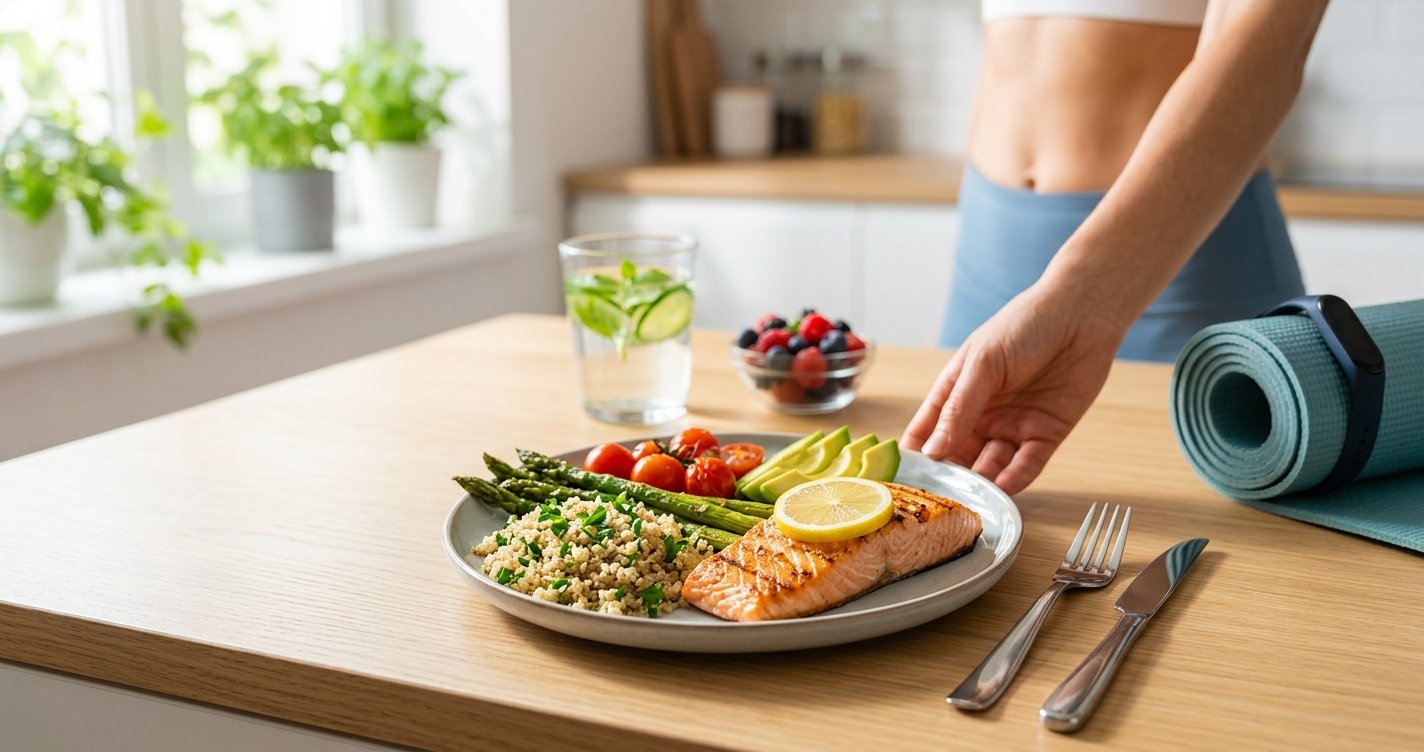
Unlock Sustainable Fat Loss: Your Ultimate Guide to Balanced Nutrition & a Healthier Lifestyle
Are you tired of the yo-yo diet cycle? Do you dream of achieving lasting fat loss without extreme restrictions or endless hours on the treadmill? You're not alone. Many people embark on fat loss journeys with high hopes, only to be met with frustration when quick fixes inevitably fail. The truth is, sustainable fat loss isn't about deprivation; it's about building a healthier, balanced lifestyle that supports your body and mind in the long run. This comprehensive guide will walk you through evidence-based strategies for achieving and maintaining your fat loss goals, focusing on nutrition, movement, and crucial lifestyle factors.
Why "Quick Fixes" Don't Last: Understanding the Fat Loss Journey
Before diving into solutions, let's understand why many traditional approaches fall short. Fad diets often promise rapid results by severely restricting food groups or drastically cutting calories. While you might see initial weight loss, much of it is often water weight or even muscle. These extreme measures are unsustainable, leading to nutrient deficiencies, intense cravings, metabolic slowdown, and ultimately, rebound weight gain. True fat loss is a gradual process focused on reducing body fat while preserving lean muscle mass. It's about creating a consistent, moderate calorie deficit (consuming slightly fewer calories than you burn) through balanced nutrition and increased physical activity, without compromising your overall health or mental well-being. this excellent wellness product
Fueling Your Body Right: The Power of Balanced Nutrition
Nutrition is the cornerstone of any successful fat loss journey. It's not about eating less; it's about eating better and smarter. Focus on whole, unprocessed foods that nourish your body and keep you feeling full and energized.
Protein: Your Fat Loss MVP
Protein is incredibly important for fat loss. It helps you feel full longer, reducing overall calorie intake. Furthermore, it's crucial for preserving muscle mass during a calorie deficit, which helps maintain your metabolism. Aim for a good source of protein with every meal.
- Excellent Sources: Lean meats (chicken, turkey, lean beef), fish (salmon, tuna, cod), eggs, dairy (Greek yogurt, cottage cheese), legumes (lentils, beans), tofu, tempeh, and protein powder.
Carbs & Fats: Friend, Not Foe
Carbohydrates and fats have often been demonized, but they are essential for your health and energy. The key is choosing the right types and quantities.
- Complex Carbohydrates: Provide sustained energy and fiber. Opt for whole grains (oats, quinoa, brown rice), fruits, and vegetables. These fuel your workouts and daily activities.
- Healthy Fats: Crucial for hormone production, nutrient absorption, and satiety. Include sources like avocados, nuts, seeds, olive oil, and fatty fish.
The Magic of Fiber and Hydration
Don't underestimate the power of fiber and water. Fiber-rich foods (fruits, vegetables, whole grains, legumes) aid digestion, stabilize blood sugar, and significantly boost satiety. Adequate hydration is also vital; water supports metabolism, helps with nutrient transport, and can even help differentiate between hunger and thirst.
Moving Your Body: Exercise for Sustainable Results
While nutrition takes center stage, regular physical activity is your powerful supporting act. It burns calories, builds muscle, improves cardiovascular health, and boosts your mood.
Strength Training: Build Muscle, Burn Fat
If you're not lifting weights, you're missing out on a huge fat loss advantage. Strength training builds lean muscle mass, and muscle is metabolically active, meaning it burns more calories at rest than fat does. Aim for 2-4 sessions per week, targeting all major muscle groups.
Cardio: Heart Health & Calorie Burn
Cardiovascular exercise, like brisk walking, jogging, cycling, or swimming, is excellent for burning calories, improving heart health, and boosting endurance. Find an activity you enjoy and aim for 150-300 minutes of moderate-intensity cardio per week.
Finding Movement You Love
The best exercise plan is one you can stick to. Experiment with different activities – dancing, hiking, yoga, sports – until you find what truly motivates you. Consistency is far more important than intensity when it comes to long-term results.
Beyond Diet & Exercise: The Lifestyle Pillars
Fat loss isn't just about what you eat and how you move; it's deeply intertwined with your overall lifestyle. Overlooking these crucial elements can sabotage even the most well-intentioned efforts.
The Sleep-Fat Loss Connection
Poor sleep can derail your fat loss goals. When you're sleep-deprived, your body produces more ghrelin (the hunger hormone) and less leptin (the satiety hormone), leading to increased cravings, especially for high-calorie, sugary foods. Aim for 7-9 hours of quality sleep per night to support hormone balance and recovery.
Stress Management: Taming Cortisol
Chronic stress triggers the release of cortisol, a hormone that can promote fat storage, particularly around the abdominal area. Find healthy ways to manage stress, such as meditation, deep breathing exercises, spending time in nature, or engaging in hobbies you love.
Mindful Eating: Listen to Your Body
In our fast-paced world, eating mindfully is a powerful tool. Slow down, savor your food, pay attention to hunger and fullness cues, and avoid distractions like screens. This practice can help you recognize when you're truly hungry versus eating out of boredom or habit, leading to more conscious food choices and better portion control.
Building Your Sustainable Fat Loss Plan: Small Steps, Big Impact
Sustainable fat loss is a marathon, not a sprint. Instead of drastic overhauls, focus on making small, consistent changes that build into lasting habits. Here are some actionable tips:
- Set Realistic Goals: Aim for 1-2 pounds of fat loss per week. Slower, steady progress is more sustainable.
- Meal Prep: Prepare healthy meals and snacks in advance to avoid unhealthy impulse choices when hunger strikes.
- Track Your Progress (Beyond the Scale): While the scale can be a tool, don't let it define your success. Measure body circumference, take progress photos, note how your clothes fit, and celebrate increased energy and strength.
- Seek Support: Share your journey with a friend, family member, or join a supportive community. A personal trainer or nutritionist can also provide invaluable guidance.
- Be Patient and Persistent: There will be plateaus and setbacks. Don't get discouraged. Learn from them, adjust, and keep moving forward.
Embrace the Journey: Patience, Persistence, and Self-Compassion
Your journey to sustainable fat loss is deeply personal. It's about cultivating a healthier relationship with food, embracing movement, prioritizing self-care, and building resilience. Remember, progress is rarely linear, and perfection is an illusion. Celebrate every small victory, learn from every challenge, and treat yourself with the same kindness and understanding you would offer a friend.
By focusing on balanced nutrition, consistent movement, quality sleep, and effective stress management, you're not just losing fat – you're building a stronger, healthier, and happier you. Start today, one conscious choice at a time, and unlock the sustainable, vibrant life you deserve!