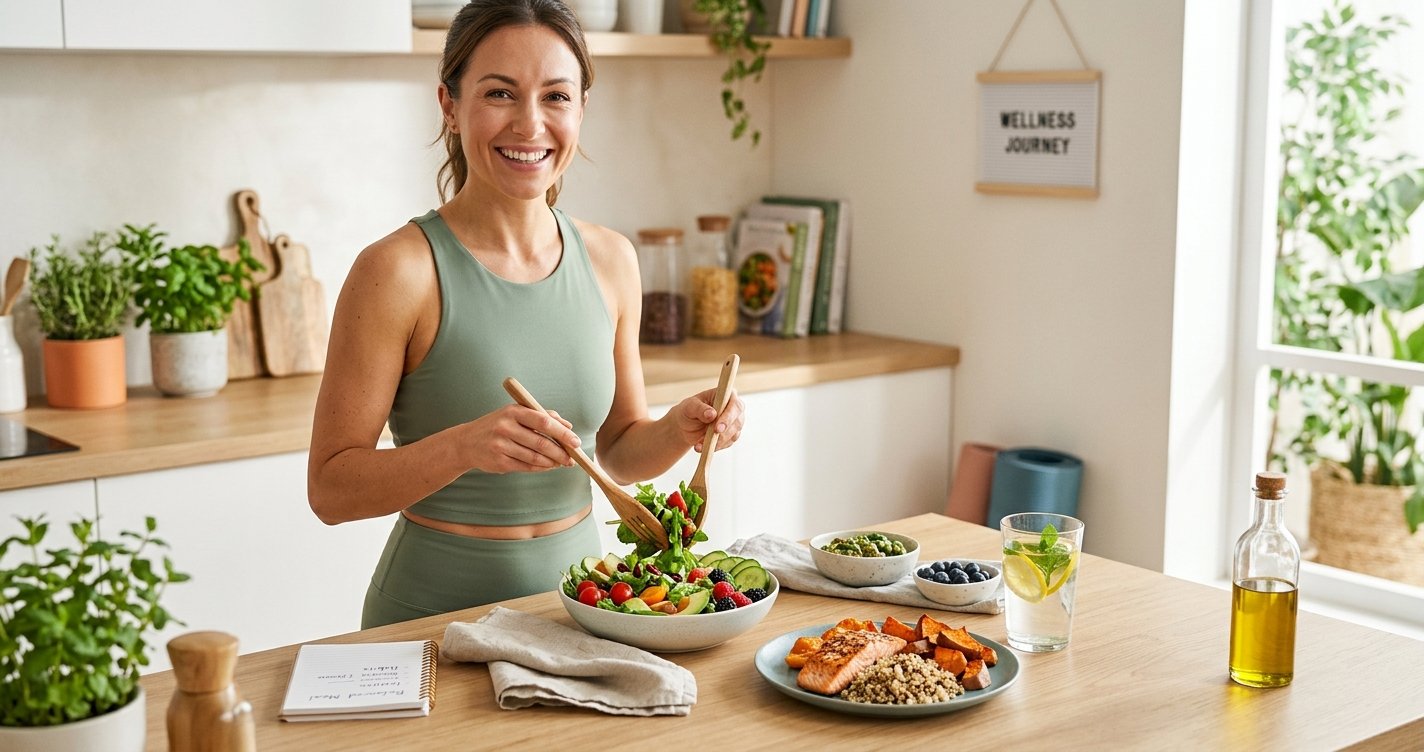
In a world overflowing with quick fixes, fad diets, and confusing health advice, the journey to fat loss can feel like navigating a maze blindfolded. You've probably tried a few different paths, perhaps lost some weight, only to see it creep back on. Sound familiar? You’re not alone. The truth is, sustainable fat loss isn't about deprivation or extreme measures; it's about cultivating a balanced, healthy lifestyle that you can genuinely enjoy and maintain for the long haul. This isn't just about shrinking your waistline; it's about nourishing your body, boosting your energy, and building a stronger, healthier you.
Forget the restrictive meal plans and grueling workout routines that leave you feeling defeated. We’re going to explore an evidence-based, friendly, and encouraging approach that focuses on understanding your body, making smart choices, and celebrating progress, big or small. Ready to ditch the diet mentality and embrace real, lasting change? this excellent wellness product
Understanding the Foundation: Calorie Deficit (Without Starvation!)
Let's start with the non-negotiable scientific truth: to lose fat, you need to consume fewer calories than your body burns. This is known as a calorie deficit. However, the common misconception is that this means starving yourself or eating bland, unsatisfying meals. That couldn't be further from the truth!
Think of calories as units of energy. Your body needs a certain amount of energy to perform all its functions, from breathing and thinking to exercising. If you consistently provide slightly less energy than your body needs, it will tap into its stored energy (fat) to make up the difference. The key word here is 'slightly'. A moderate deficit (around 300-500 calories per day for most people) is sustainable and effective, allowing for steady fat loss without sacrificing vital nutrients or feeling constantly hungry. Focusing on nutrient-dense, whole foods naturally helps you create this deficit because they keep you feeling full and satisfied on fewer calories compared to highly processed, calorie-dense options.
The Power of Protein: Your Secret Weapon for Satiety and Muscle Preservation
If there's one macronutrient that deserves a spotlight in your fat loss journey, it's protein. Protein is an absolute powerhouse for several reasons:
- Satiety: Protein is incredibly filling. Eating adequate protein helps you feel fuller for longer, reducing cravings and the likelihood of overeating.
- Thermic Effect of Food (TEF): Your body expends more energy digesting protein than it does fats or carbohydrates. This means a higher protein intake slightly boosts your metabolism.
- Muscle Preservation: When you're in a calorie deficit, your body can sometimes break down muscle tissue for energy in addition to fat. Adequate protein intake, especially when combined with strength training, helps preserve precious muscle mass. This is crucial because muscle is more metabolically active than fat, meaning it burns more calories at rest.
Aim to include a good source of lean protein with every meal. Think chicken breast, fish, lean beef, eggs, Greek yogurt, cottage cheese, tofu, lentils, and beans. Small, consistent choices make a huge difference here!
Embrace Whole Foods: Fueling Your Body, Not Just Filling It
This might sound cliché, but it's the cornerstone of sustainable fat loss and overall health. Whole foods are foods that are minimally processed and as close to their natural state as possible. We're talking about:
- Fruits and Vegetables: Packed with vitamins, minerals, fiber, and antioxidants. They're low in calories and high in volume, helping you feel full and satisfied.
- Whole Grains: Oats, brown rice, quinoa, whole-wheat bread. These provide sustained energy and fiber, which aids digestion and satiety.
- Lean Proteins: As discussed, essential for muscle and fullness.
- Healthy Fats: Avocados, nuts, seeds, olive oil. These are crucial for hormone function, nutrient absorption, and also contribute to satiety (in moderation!).
By prioritizing whole foods, you naturally reduce your intake of added sugars, unhealthy fats, and artificial ingredients that often contribute to excess calorie intake and hinder your progress. It's not about restriction; it's about making smarter, more nourishing swaps.
Beyond the Plate: Movement That Matters (and You Enjoy!)
While nutrition is paramount, physical activity plays a vital supporting role in fat loss and body composition. But forget the idea that you need to spend hours grueling away at the gym if that's not your thing. The best exercise is the one you'll actually do consistently!
Strength Training: Build a More Efficient You
Incorporating strength training (lifting weights, bodyweight exercises) 2-3 times a week is incredibly beneficial. It helps build and maintain muscle mass, which boosts your resting metabolism. The more muscle you have, the more calories your body burns, even when you're just sitting around. Plus, it shapes your body, making you feel stronger and more confident.
Cardio: Get Your Heart Pumping
Cardiovascular exercise (walking, jogging, cycling, swimming, dancing) is excellent for burning calories, improving heart health, and boosting your mood. Find an activity you genuinely enjoy and aim for at least 150 minutes of moderate-intensity cardio per week. Even a brisk daily walk can make a significant difference!
Remember, consistency trumps intensity. Regular, enjoyable movement is far more effective than sporadic, punishing workouts you dread.
The Unsung Heroes: Sleep, Stress, and Hydration
Often overlooked, these three pillars are absolutely critical for successful and sustainable fat loss.
Prioritize Quality Sleep
Lack of sleep can wreak havoc on your hormones, specifically ghrelin (the hunger hormone) and leptin (the satiety hormone). When you're sleep-deprived, ghrelin levels rise, making you feel hungrier, while leptin levels drop, meaning you don't feel as full. This can lead to increased cravings for high-calorie, sugary foods. Aim for 7-9 hours of quality sleep per night.
Manage Stress Effectively
Chronic stress triggers the release of cortisol, a hormone that, in excess, can promote fat storage, particularly around the abdominal area. Find healthy ways to manage stress, whether it's meditation, yoga, spending time in nature, journaling, or connecting with loved ones. Your mental well-being is just as important as your physical health.
Stay Hydrated
Water is essential for countless bodily functions, including metabolism. Sometimes, your body can confuse thirst for hunger, leading to unnecessary snacking. Drinking plenty of water throughout the day can help you feel full, aid digestion, and ensure your body is functioning optimally. Keep a water bottle handy and sip regularly.
Cultivating a Mindset for Lasting Change: Patience, Consistency, and Self-Compassion
Fat loss is a journey, not a race. There will be days when you feel motivated and days when you struggle. This is normal! The key is to cultivate a mindset that supports long-term success:
- Patience: Sustainable fat loss takes time. Celebrate small victories and don't get discouraged by slow progress. The scales don't always tell the whole story; focus on how your clothes fit, your energy levels, and your overall well-being.
- Consistency: Small, consistent actions add up to big results. It's better to make good choices 80% of the time than to be perfect for a week and then fall off completely.
- Self-Compassion: Be kind to yourself. If you have an off day or a meal that isn't perfectly aligned with your goals, don't let it derail you. Acknowledge it, learn from it, and get back on track with your next meal or workout. Perfection is the enemy of progress.
- Focus on Habits, Not Just Outcomes: Instead of fixating solely on the number on the scale, focus on building sustainable habits: eating more vegetables, drinking more water, getting enough sleep, moving your body regularly. The fat loss will naturally follow as a result of these positive changes.
Remember, this is about transforming your lifestyle, not just your body. It’s about building a healthier relationship with food and your body, fostering habits that support your well-being, and discovering the joy of feeling strong, energized, and vibrant.
Your Journey to a Healthier You Starts Now
Sustainable fat loss isn't about chasing fleeting trends; it's about embracing a holistic approach that respects your body and mind. By focusing on a moderate calorie deficit, prioritizing protein and whole foods, incorporating enjoyable movement, and nurturing your sleep, stress, and hydration, you're not just losing fat – you're building a foundation for lifelong health and happiness.
Take it one step at a time. Choose one or two areas to focus on first, make small, achievable changes, and build from there. Be patient, be consistent, and most importantly, be kind to yourself. You have the power to create lasting change and unlock the healthier, happier you that you deserve. Let's make this journey enjoyable and empowering!