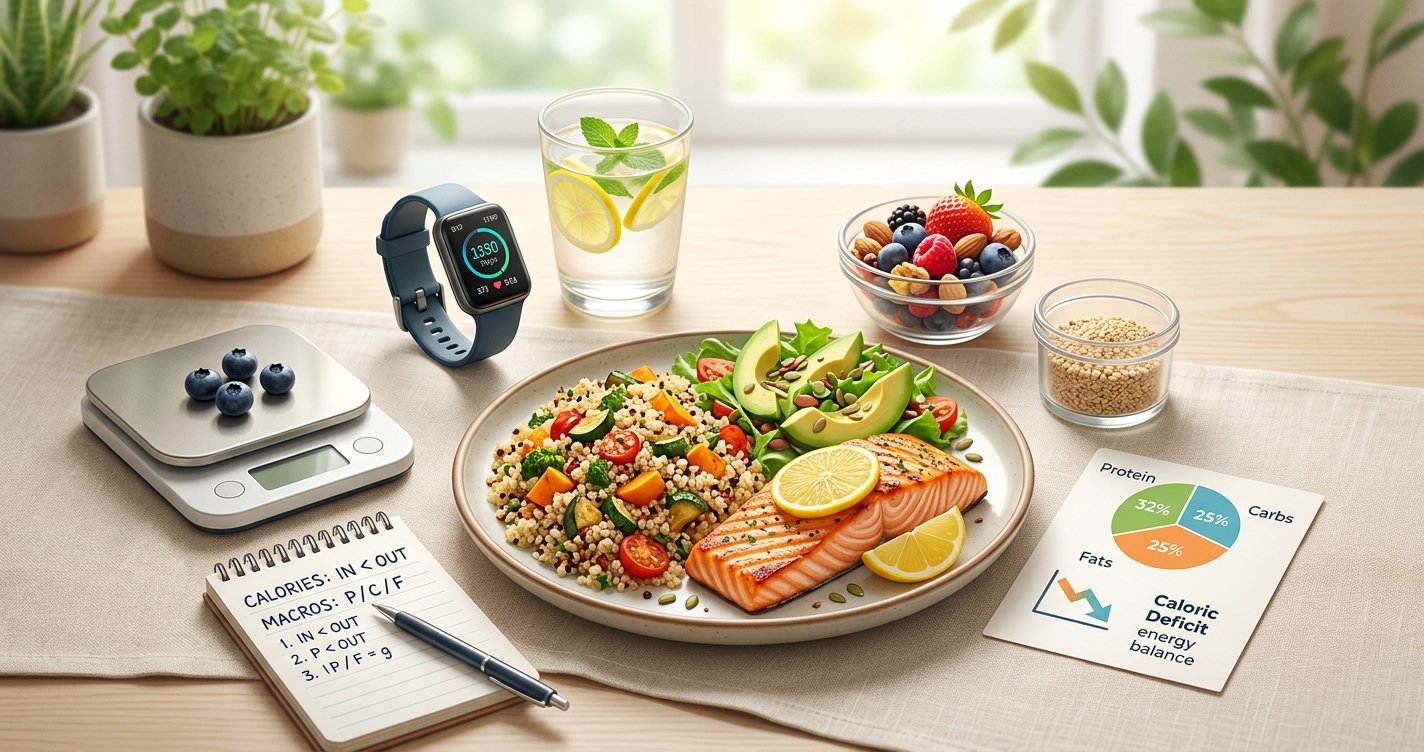
Unlock Sustainable Fat Loss: The Science of Caloric Deficit & Macronutrient Balance
Are you tired of the diet rollercoaster? Do you feel overwhelmed by conflicting advice on how to lose weight and keep it off? You're not alone. Many people embark on fat loss journeys with enthusiasm, only to be met with frustration when quick fixes fail or results don't last. But what if we told you there's a simpler, more sustainable, and evidence-based path to achieving your fat loss goals? It's not about restrictive cleanses or magical pills; it's about understanding the fundamental principles of energy balance and nutrient timing. In this comprehensive guide, we're going to dive deep into the science of sustainable fat loss, focusing on two non-negotiable pillars: a caloric deficit and optimal macronutrient balance. Get ready to empower yourself with knowledge that will transform your body and your relationship with food, for good.
The Caloric Deficit: Your Non-Negotiable for Fat Loss
Let's cut straight to the chase: if you want to lose fat, you must consume fewer calories than your body burns. This is the law of thermodynamics, and it's the bedrock of all effective fat loss strategies. Think of your body as an engine. If you put in less fuel than it needs to run, it will start tapping into its stored fuel reserves – which, for us, is body fat. this excellent wellness product
Understanding Your Total Daily Energy Expenditure (TDEE)
Your TDEE is the total number of calories your body burns in a day, factoring in your Basal Metabolic Rate (BMR – calories burned at rest), the Thermic Effect of Food (TEF – calories burned digesting food), and your activity level (Non-Exercise Activity Thermogenesis (NEAT) and Exercise Activity Thermogenesis (EAT)). While exact calculations can be complex, online calculators can provide a good starting estimate. However, remember these are just estimates; your body is unique!
Creating a Sustainable Deficit
Once you have an estimate of your TDEE, the goal is to create a deficit. A moderate deficit of 250-500 calories per day is often recommended for sustainable fat loss. This typically leads to a healthy fat loss rate of 0.5-1 pound per week. Why not more? Extreme deficits can:
- Lead to muscle loss instead of just fat loss.
- Cause nutrient deficiencies.
- Drop your energy levels, making workouts and daily tasks harder.
- Slow down your metabolism as your body adapts to perceived starvation.
- Be incredibly difficult to sustain, leading to burnout and rebound weight gain.
Consistency over severity is the key here. Small, manageable changes lead to lasting results.
Macronutrients: The Building Blocks of Your Body (and Your Diet!)
While a caloric deficit dictates whether you lose weight, macronutrients (protein, carbohydrates, and fats) dictate what kind of weight you lose (fat vs. muscle) and how you feel throughout the process. They're not just about calories; they're about satiety, energy, hormonal health, and muscle preservation.
Protein Power: Your Best Friend for Fat Loss
If there's one macronutrient to prioritize during a fat loss phase, it's protein. Here's why:
- Satiety: Protein is incredibly filling, helping you feel fuller for longer and reducing cravings.
- Muscle Preservation: Adequate protein intake is crucial for preserving lean muscle mass while in a caloric deficit. More muscle means a higher metabolism!
- Thermic Effect of Food (TEF): Protein has a higher TEF than carbs or fats, meaning your body burns more calories just to digest and process it.
Recommended Intake: Aim for 1.6-2.2 grams of protein per kilogram of body weight (or 0.7-1 gram per pound of body weight). Spread your protein intake throughout the day to optimize muscle protein synthesis.
Excellent Sources: Lean meats (chicken breast, turkey, lean beef), fish, eggs, dairy (Greek yogurt, cottage cheese), legumes, tofu, and protein supplements.
Carbohydrates: Fueling Your Body Smartly
Carbohydrates have often been demonized in the diet world, but they are far from the enemy. They are your body's primary source of energy, fueling your brain, muscles, and daily activities. The key is choosing the right types of carbs.
- Complex Carbs: Found in whole grains, fruits, and vegetables, these are digested slowly, providing sustained energy, fiber, and essential micronutrients. They contribute to satiety and gut health.
- Simple Carbs: Found in sugary drinks, candies, and refined grains, these provide quick energy but often lack fiber and nutrients, leading to energy crashes and cravings.
Recommended Intake: Once protein and healthy fats are accounted for, the remaining calories in your deficit can be allocated to carbohydrates. This amount will vary based on your activity level and preferences. Active individuals will generally need more carbs.
Excellent Sources: Oats, brown rice, quinoa, whole-wheat bread, potatoes, sweet potatoes, all kinds of fruits and vegetables.
Healthy Fats: Essential for Hormones and Health
Fats are vital for hormone production, nutrient absorption (especially fat-soluble vitamins A, D, E, K), brain health, and providing a concentrated source of energy. While they are calorie-dense, healthy fats are crucial for overall well-being and can help with satiety.
Recommended Intake: Aim for 20-30% of your total daily calories from healthy fats. It's important not to go too low, as this can negatively impact hormonal function.
Excellent Sources: Avocados, nuts, seeds, olive oil, fatty fish (salmon, mackerel), and egg yolks.
Putting It All Together: Crafting Your Personalized Nutrition Plan
Now that you understand the roles of calories and macronutrients, how do you build a practical plan?
- Calculate Your TDEE: Use an online calculator as a starting point.
- Establish Your Deficit: Subtract 250-500 calories from your TDEE.
- Prioritize Protein: Calculate your protein target (1.6-2.2g/kg body weight).
- Allocate Fats: Aim for 20-30% of your total calories from healthy fats.
- Fill with Carbs: The remaining calories will come from carbohydrates.
Example: If your target is 1800 calories, and you weigh 70kg (154 lbs):
- Protein: 70kg * 1.8g/kg = 126g protein (126g * 4 calories/g = 504 calories)
- Fats: 1800 calories * 0.25 (25%) = 450 calories (450 calories / 9 calories/g = 50g fat)
- Carbs: 1800 - 504 - 450 = 846 calories (846 calories / 4 calories/g = 211.5g carbs)
This gives you a starting point: 126g protein, 50g fat, 211.5g carbs. Remember, these numbers are flexible. The most important thing is adherence. Find foods you enjoy that fit your macros and consistently hit your calorie target. Tracking your intake for a few weeks can be incredibly insightful, but it doesn't have to be forever.
Beyond the Plate: Lifestyle Factors That Support Fat Loss
While nutrition is paramount, sustainable fat loss is a holistic endeavor. Don't underestimate the power of these lifestyle components:
- Sleep: Poor sleep can disrupt hormones that regulate hunger (ghrelin) and satiety (leptin), making you hungrier and more likely to store fat. Aim for 7-9 hours of quality sleep.
- Stress Management: Chronic stress elevates cortisol levels, which can promote belly fat storage and increase cravings. Incorporate stress-reducing activities like meditation, yoga, or spending time in nature.
- Hydration: Drinking enough water can help with satiety, boost metabolism, and improve overall bodily functions. Often, thirst is mistaken for hunger.
- Strength Training: Lifting weights builds and preserves muscle mass, which is crucial for a healthy metabolism and a toned physique. It's an indispensable partner to your caloric deficit.
The Mindset Shift: Patience, Consistency, and Self-Compassion
Fat loss is a journey, not a destination. There will be plateaus, setbacks, and moments of frustration. This is normal! The key is to cultivate a resilient mindset:
- Patience: Sustainable fat loss takes time. Celebrate small victories and focus on long-term progress over instant gratification.
- Consistency: Adherence to your plan, even when imperfect, is far more powerful than sporadic perfection.
- Self-Compassion: Don't beat yourself up over an off-plan meal or a missed workout. Learn from it, adjust, and get back on track. Your worth is not tied to a number on the scale.
Conclusion: Empower Yourself for Sustainable Success
You now have the fundamental knowledge to approach fat loss with confidence and clarity. By understanding and consistently applying the principles of a moderate caloric deficit and a balanced intake of protein, carbohydrates, and healthy fats, you're not just dieting; you're building a sustainable lifestyle. Combine this nutritional wisdom with adequate sleep, stress management, and regular strength training, and you'll be well on your way to not only achieving your fat loss goals but also maintaining them for life. This isn't about deprivation; it's about empowerment, informed choices, and fostering a healthier, stronger, and happier you. Start today, be consistent, and watch your body and mind transform!