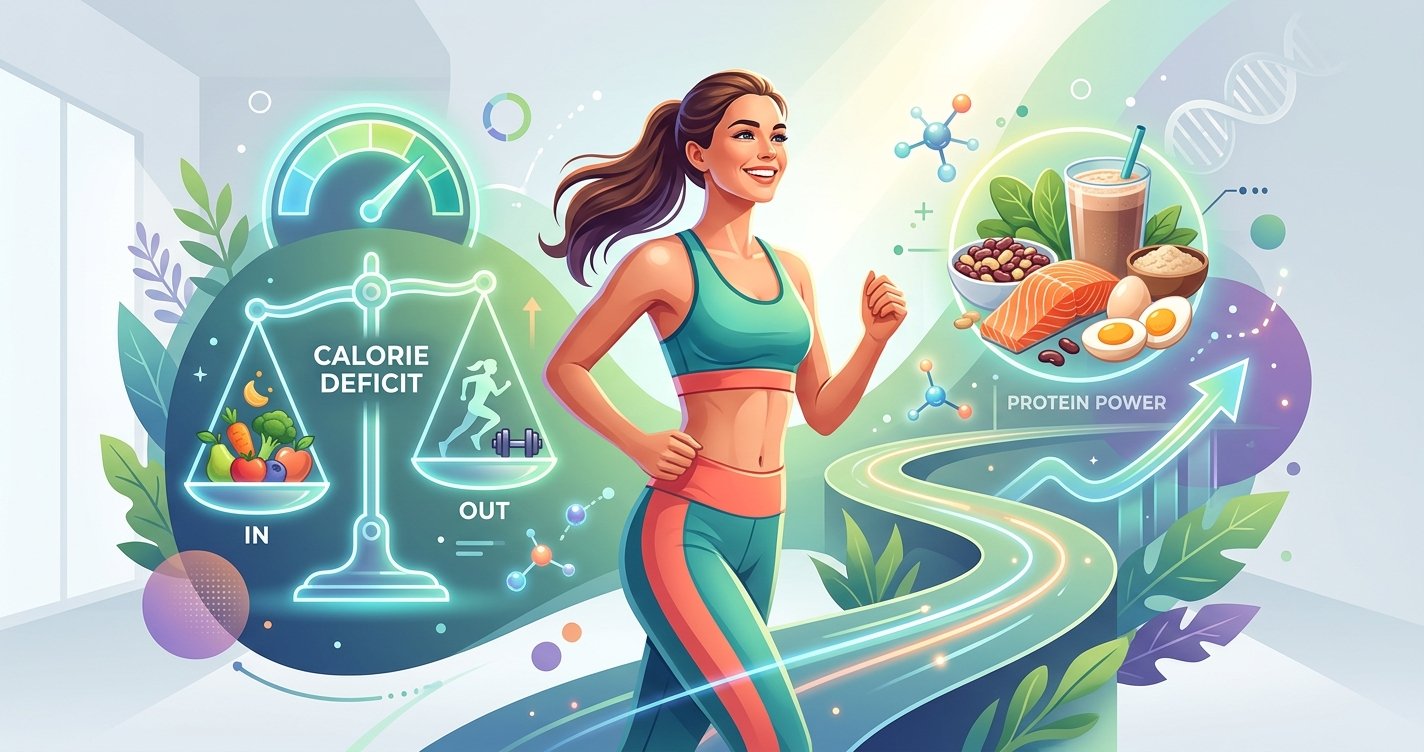
Embarking on a fat loss journey can feel like navigating a complex maze, with countless diets and conflicting advice at every turn. But what if we told you that the most effective and sustainable path to losing fat and keeping it off boils down to two fundamental, science-backed principles: a moderate calorie deficit and adequate protein intake? Forget the fads and quick fixes; this guide is your friendly, evidence-based roadmap to achieving lasting fat loss results, without sacrificing your sanity or health.
Sustainable fat loss isn't about deprivation; it's about smart, consistent choices that empower your body to burn fat while preserving precious muscle. We'll dive deep into how these two pillars work in harmony, providing you with practical, encouraging advice to transform your body and build healthier habits for life. this excellent wellness product
The Core Principle: Understanding the Calorie Deficit
At the heart of all fat loss lies a simple truth: you must consume fewer calories than your body burns. This is known as a calorie deficit. Think of your body as a car; if you want it to use its stored fuel (body fat), you need to give it less fuel from external sources (food) than it needs to operate. When your body doesn't get enough energy from the food you eat, it taps into its fat reserves to make up the difference, leading to fat loss.
Why a moderate deficit is key: While a larger deficit might seem appealing for faster results, it often backfires. Extreme calorie restriction can lead to muscle loss, nutrient deficiencies, fatigue, intense hunger, and a slowed metabolism, making it incredibly difficult to sustain. A moderate deficit – typically 300-500 calories below your maintenance level – allows for steady, healthy fat loss (around 1-2 pounds per week) while preserving muscle mass and keeping your energy levels stable. It's about playing the long game for sustainable, lasting results.
To establish your deficit, you first need to estimate your Total Daily Energy Expenditure (TDEE) – the total number of calories your body burns in a day. Online calculators can provide a good starting point, factoring in your age, sex, weight, height, and activity level. From there, subtract 300-500 calories to find your target intake for fat loss.
Fueling Your Journey: The Power of Protein
Once you understand the calorie deficit, the next critical component for effective fat loss is protein intake. Protein isn't just for bodybuilders; it's a superpower nutrient for anyone looking to lose fat and improve body composition.
- Increased Satiety: Protein is the most filling macronutrient. Including adequate protein in your meals helps you feel fuller for longer, reducing cravings and making it easier to stick to your calorie deficit.
- Muscle Preservation: When you're in a calorie deficit, there's always a risk of losing some muscle along with fat. Protein provides the building blocks your body needs to repair and build muscle, helping to preserve your lean mass even as you shed fat. More muscle means a higher resting metabolism!
- Higher Thermic Effect of Food (TEF): Your body expends more energy digesting and metabolizing protein compared to carbohydrates or fats. This means you burn more calories simply by eating protein-rich foods.
How much protein do you need? For fat loss, a common recommendation is to aim for 1.6 to 2.2 grams of protein per kilogram of body weight (or 0.7 to 1 gram per pound of body weight). Distribute your protein intake throughout the day across your meals and snacks for optimal benefits.
Excellent Protein Sources:
- Lean Meats (chicken breast, turkey, lean beef, pork)
- Fish and Seafood (salmon, cod, tuna, shrimp)
- Eggs
- Dairy (Greek yogurt, cottage cheese, milk)
- Legumes (lentils, beans, chickpeas)
- Tofu and Tempeh
- Protein Powder (whey, casein, plant-based)
Beyond Calories & Protein: Complementary Strategies for Success
While calorie deficit and protein are the cornerstones, incorporating other healthy habits will amplify your results and foster overall well-being.
The Role of Carbohydrates and Fats
Don't demonize carbs or fats! Both are essential for energy, hormone production, and nutrient absorption. Focus on quality sources: whole grains, fruits, vegetables for complex carbs and fiber; avocados, nuts, seeds, olive oil for healthy fats. Balance is key within your calorie goals.
Hydration and Fiber
Water is often overlooked but crucial. It aids metabolism, helps with satiety, and keeps your body functioning optimally. Aim for at least 8 glasses a day. Fiber-rich foods (fruits, vegetables, whole grains) also contribute to fullness, support digestive health, and help regulate blood sugar.
Strength Training: Your Metabolism's Best Friend
While cardio burns calories, strength training is unparalleled for fat loss. It builds and preserves muscle, which directly boosts your resting metabolism. The more muscle you have, the more calories you burn even at rest. Aim for 2-4 sessions per week, focusing on compound movements.
Quality Sleep and Stress Management
Chronic lack of sleep and high stress levels can wreak havoc on your hormones, particularly cortisol and ghrelin (the hunger hormone), making fat loss incredibly difficult. Prioritize 7-9 hours of quality sleep and find healthy ways to manage stress, such as meditation, yoga, or spending time in nature.
Practical Tips for Implementing Your Plan
Knowing the science is one thing; putting it into practice is another. Here are some actionable tips to integrate a calorie deficit and high protein intake into your daily life:
- Meal Prepping: Dedicate time each week to plan and prepare your meals. This reduces decision fatigue and ensures you have healthy, portion-controlled options readily available.
- Track Your Intake (Initially): You don't need to track forever, but for a few weeks, use an app to log your food. This helps you understand portion sizes, calorie density, and your typical protein intake, building awareness without obsession.
- Prioritize Protein at Every Meal: Make sure each meal includes a significant protein source. Start your day with eggs or Greek yogurt, add lean meat to lunch, and ensure your dinner is protein-focused.
- Smart Snacking: If you need snacks, choose protein-rich options like Greek yogurt, cottage cheese, a hard-boiled egg, or a handful of almonds to keep hunger at bay.
- Hydrate Before Meals: Drinking a glass of water before eating can help you feel fuller and potentially reduce your overall calorie intake.
- Mindful Eating: Pay attention to your body's hunger and fullness cues. Eat slowly, savor your food, and avoid distractions.
Avoiding Common Pitfalls on Your Fat Loss Journey
Even with the best intentions, it's easy to fall into common traps that hinder progress. Be aware of these to stay on track:
- Too Drastic a Calorie Deficit: As mentioned, this can lead to muscle loss, nutrient deficiencies, and make adherence impossible. Patience is a virtue in sustainable fat loss.
- Neglecting Strength Training: Relying solely on cardio will lead to fat loss, but it won't optimize your body composition or metabolism like combining it with strength training.
- Lack of Patience and Consistency: Fat loss is not linear. There will be plateaus and fluctuations. Consistency over time, not perfection every day, is what truly matters. Trust the process.
- Comparing Yourself to Others: Everyone's journey is unique. Focus on your progress and celebrate your own victories, big or small.
- Ignoring Lifestyle Factors: Sleep, stress, and hydration are just as important as diet and exercise. Neglecting them will make your fat loss journey much harder.
Your Path to Sustainable Fat Loss Starts Now!
Achieving sustainable fat loss doesn't require extreme measures or complicated diets. It requires understanding your body's energy balance and prioritizing the right nutrients. By consistently applying the principles of a moderate calorie deficit and adequate protein intake, alongside healthy lifestyle choices like strength training, good sleep, and stress management, you'll not only lose fat but also build a stronger, healthier, and more resilient you.
This isn't just about fitting into a smaller size; it's about investing in your long-term health, energy, and confidence. Be patient, be consistent, and trust the science. Your sustainable fat loss journey awaits!