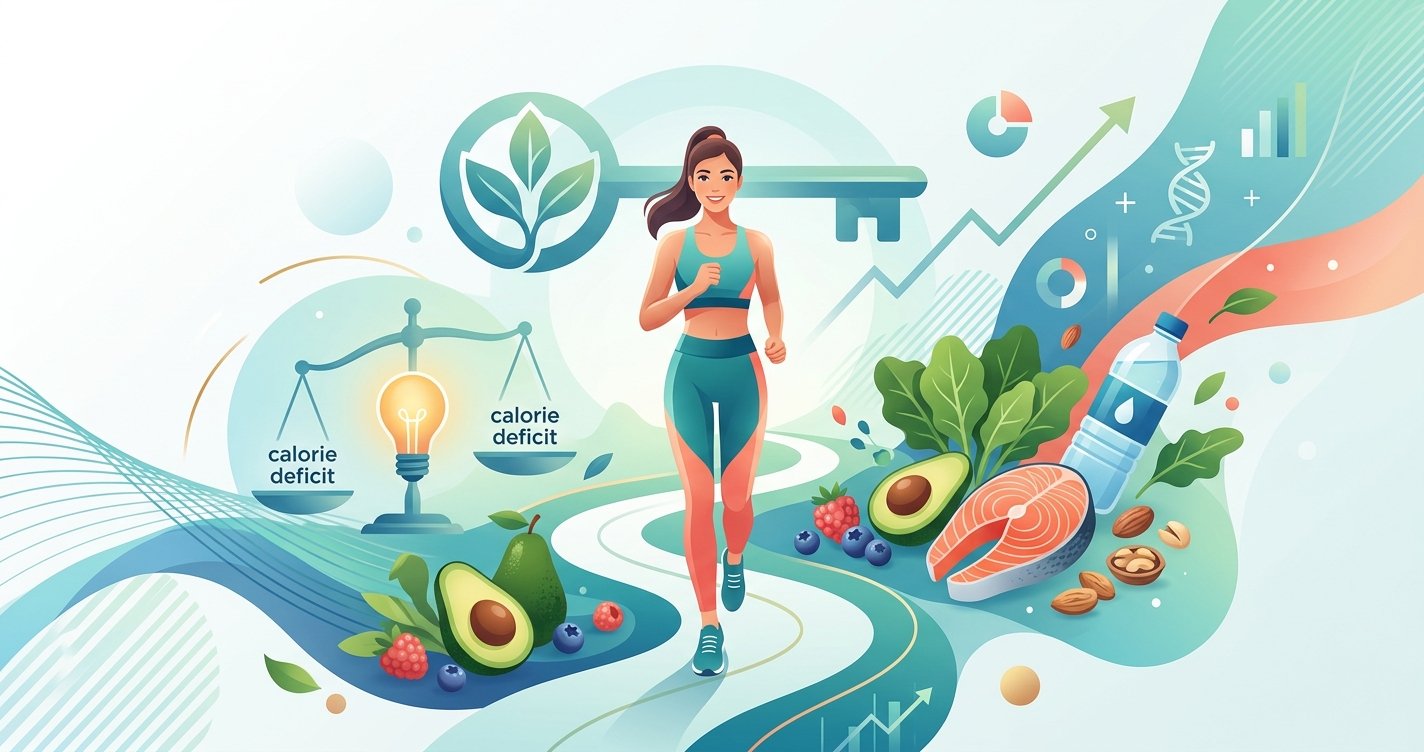
Are you tired of quick-fix diets that promise the world but deliver only frustration? Do you feel overwhelmed by conflicting information on how to truly lose fat and keep it off? You're not alone. The journey to sustainable fat loss can feel like navigating a maze, but it doesn't have to be. This comprehensive guide will cut through the noise, offering you a clear, evidence-based roadmap to achieving your fat loss goals, focusing on two fundamental pillars: understanding the calorie deficit and mastering macronutrient balance.
Forget the fads and prepare to embrace a powerful, practical approach that respects your body and fuels your success. We're talking about real science, real results, and a path that's genuinely sustainable. Let's dive in! this excellent wellness product
Understanding the Core Principle: The Calorie Deficit
At the heart of all effective fat loss strategies lies one undeniable truth: you must consume fewer calories than your body expends. This is what we call a calorie deficit. It's not about starvation; it's about intelligent energy management.
Think of your body as a car. Food is its fuel. If you put more fuel in than the car uses for driving, the excess is stored (in our case, as fat). If you put in less, the car has to tap into its stored reserves to keep going. Simple, right? While the human body is far more complex than a car, this fundamental energy balance holds true for fat loss.
How to Calculate Your Calorie Deficit
To create a calorie deficit, you first need an estimate of your Total Daily Energy Expenditure (TDEE) – the total number of calories your body burns in a day, including basal metabolism, physical activity, and food digestion. While precise measurement requires lab equipment, you can get a very good estimate using online calculators (search for 'TDEE calculator') that factor in your age, sex, weight, height, and activity level. Once you have your TDEE, aim to consume 300-500 fewer calories per day. This moderate deficit is generally considered safe, effective, and sustainable, allowing for a steady fat loss of 1-2 pounds per week.
For example, if your estimated TDEE is 2500 calories, aiming for 2000-2200 calories per day would put you in an effective deficit.
Beyond Calories: The Power of Macronutrient Balance
While a calorie deficit is non-negotiable for fat loss, simply cutting calories isn't enough for optimal results. The quality and composition of those calories — your macronutrient balance — play a crucial role in preserving muscle, controlling hunger, and supporting overall health during your fat loss journey.
Macronutrients are the three main components of food that provide energy: protein, carbohydrates, and fats. Each plays a distinct role, and getting the right balance is key.
Protein: Your Fat Loss MVP (Most Valuable Player)
If there's one macronutrient to prioritize during fat loss, it's protein. Here's why:
- Satiety: Protein is incredibly filling, helping you feel fuller for longer and reducing cravings.
- Muscle Preservation: When you're in a calorie deficit, your body can break down muscle for energy. Adequate protein intake helps signal your body to hold onto precious muscle mass, ensuring that the weight you lose is primarily fat.
- Thermic Effect of Food (TEF): Protein has a higher TEF than carbs or fats, meaning your body burns more calories digesting and metabolizing it.
Recommendation: Aim for 0.7-1 gram of protein per pound of your target body weight (or 1.6-2.2 grams per kilogram). For example, if you weigh 180 lbs and aim for 150 lbs, target 105-150 grams of protein daily.
Excellent Protein Sources:
- Lean Meats (chicken breast, turkey, lean beef)
- Fish (salmon, cod, tuna)
- Eggs
- Dairy (Greek yogurt, cottage cheese, milk)
- Legumes (lentils, beans)
- Tofu and Tempeh
- Protein Powder (whey, casein, plant-based)
Carbohydrates: Fueling Your Progress Wisely
Carbohydrates often get a bad rap, but they are your body's preferred energy source, especially for daily activities and exercise. The key is to choose the right types of carbohydrates.
- Complex Carbohydrates: Found in whole grains, fruits, and vegetables, these are rich in fiber and release energy slowly, providing sustained energy and satiety.
- Simple Carbohydrates: Found in sugary drinks, candies, and white bread, these offer quick energy but often lead to energy crashes and don't contribute much to satiety or nutrition.
Your carb intake will vary based on your activity level and personal preference, but generally, they should make up 30-45% of your total daily calories during fat loss. Prioritize complex carbs to maximize nutrient intake and fullness.
Smart Carbohydrate Choices:
- Whole Grains (oats, brown rice, quinoa, whole wheat bread)
- Fruits (berries, apples, bananas)
- Vegetables (broccoli, spinach, sweet potatoes, bell peppers)
- Legumes
Fats: Essential for Health and Satiety
Healthy fats are crucial for hormone production, nutrient absorption, brain health, and keeping you feeling satisfied. Don't fear fats, but be mindful of their calorie density (9 calories per gram compared to 4 for protein and carbs).
Aim for healthy fats to make up 20-30% of your total daily calories. Focus on unsaturated fats and be cautious with saturated fats, while completely avoiding trans fats.
Healthy Fat Sources:
- Avocado
- Nuts and Seeds (almonds, chia seeds, flax seeds)
- Olive Oil, Avocado Oil
- Fatty Fish (salmon, mackerel)
Practical Strategies for Sustainable Success
Knowing the theory is one thing; putting it into practice consistently is another. Here are actionable strategies to help you stay on track and make fat loss a sustainable lifestyle.
Track Smart, Not Hard
Initially, tracking your food intake (using an app like MyFitnessPal or a simple food diary) can be incredibly insightful. It helps you understand where your calories and macronutrients are coming from and identify areas for improvement. You don't need to track forever, but a few weeks can build vital awareness. Focus on consistency over perfection – a slightly imperfect day is better than giving up entirely.
Prioritize Whole, Unprocessed Foods
This is arguably one of the most impactful changes you can make. Whole foods (fruits, vegetables, lean proteins, whole grains) are naturally nutrient-dense, higher in fiber, and generally more satiating than their processed counterparts. They provide your body with the vitamins and minerals it needs to function optimally, even in a deficit.
Hydration and Fiber: The Unsung Heroes
- Water: Drinking plenty of water (aim for 8-10 glasses a day) is essential. It supports metabolism, can help with satiety, and keeps your body functioning efficiently. Sometimes, thirst is mistaken for hunger.
- Fiber: Found abundantly in fruits, vegetables, and whole grains, fiber aids digestion, helps stabilize blood sugar, and significantly contributes to feelings of fullness.
Incorporate Movement (Beyond Just Cardio)
While a calorie deficit is king for fat loss, exercise is the queen for body composition and overall health. Don't just focus on endless cardio. Strength training is crucial during fat loss. It helps preserve muscle mass, which is vital for maintaining a healthy metabolism. Aim for 2-3 strength training sessions per week, alongside regular cardio for cardiovascular health and additional calorie burn.
Mindset Matters: Cultivating Patience and Consistency
Fat loss is rarely a linear journey. There will be plateaus, days you overeat, and moments of frustration. This is normal! What truly differentiates success from failure is your mindset.
- Patience: Sustainable fat loss takes time. Celebrate small victories and understand that consistency over weeks and months yields lasting results, not perfection every single day.
- Self-Compassion: If you slip up, don't beat yourself up. Acknowledge it, learn from it, and get back on track with your next meal or workout.
- Sleep and Stress Management: These are often overlooked but profoundly impact fat loss. Poor sleep can disrupt hormones that regulate hunger and satiety, while chronic stress can elevate cortisol, potentially hindering fat loss. Prioritize 7-9 hours of quality sleep and find healthy ways to manage stress.
Your Journey Starts Now: Actionable Steps
Ready to take control? Here are immediate steps you can implement today:
- Estimate Your TDEE: Use an online calculator to get your baseline and subtract 300-500 calories to set your daily target.
- Prioritize Protein: Aim for a protein source at every meal. Think chicken, fish, eggs, Greek yogurt, or a protein shake.
- Fill Half Your Plate with Veggies: Boost fiber, nutrients, and satiety with minimal calories.
- Swap Simple Carbs for Complex: Choose whole grains over refined ones, and prioritize fruits and vegetables.
- Hydrate Like a Champion: Keep a water bottle handy and sip throughout the day.
Sustainable fat loss isn't about deprivation; it's about smart choices, consistency, and understanding how your body works. By mastering the calorie deficit and optimizing your macronutrient intake, you're not just losing weight – you're building a healthier, stronger, and more vibrant you. You have the knowledge; now go forth and apply it. You've got this!