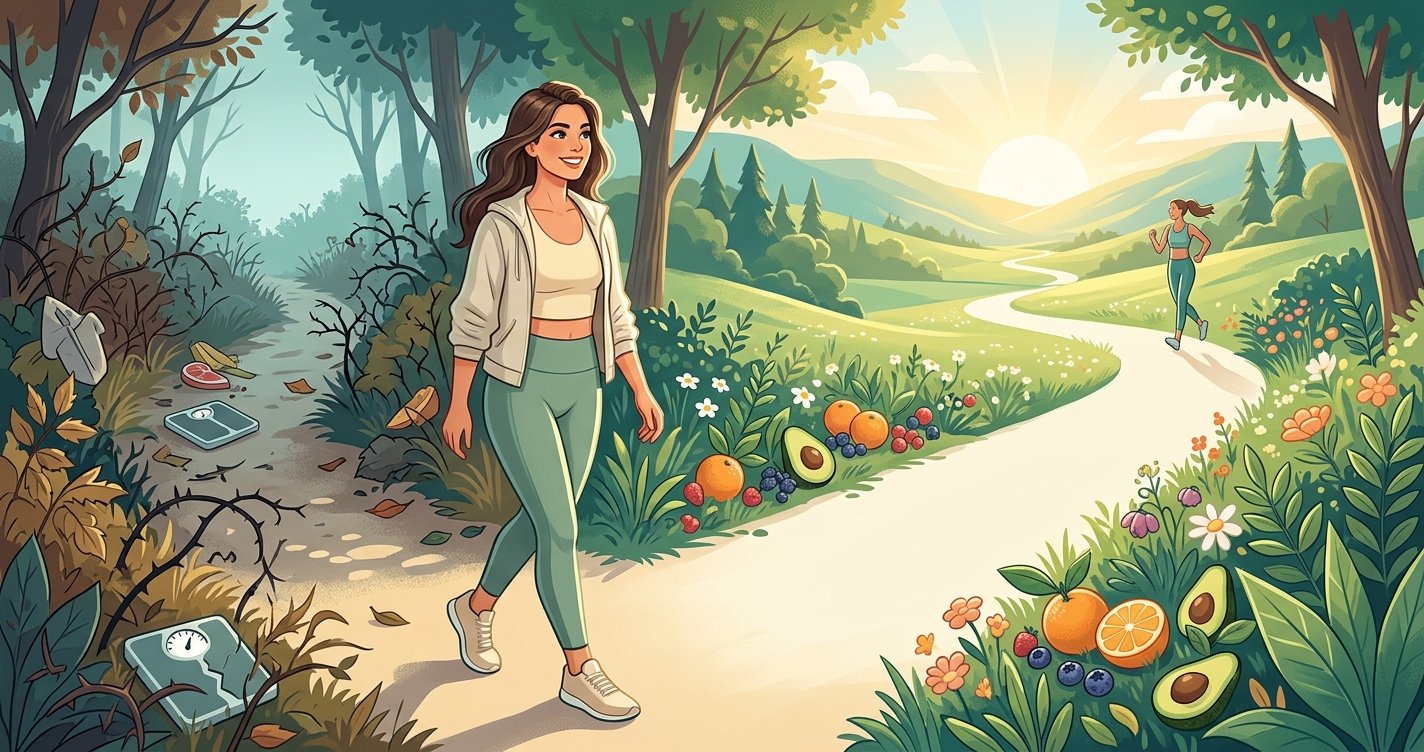
Unlock Sustainable Fat Loss: Ditch Crash Diets & Embrace Lasting Results
Are you tired of the endless cycle? The yo-yo dieting, the grueling cardio sessions that lead to burnout, and the frustrating rebound weight gain? You’re not alone. In a world obsessed with quick fixes, it’s easy to get caught in the trap of extreme diets and punishing workouts, only to find they’re unsustainable and often leave you feeling worse than when you started.
But what if there was a better way? A path to fat loss that doesn't involve deprivation or misery, but rather empowers you with habits that stick for life? Good news: there is! This guide is all about embracing sustainable fat loss – a friendly, evidence-based approach that helps you achieve your body composition goals without sacrificing your sanity or your health. Let’s ditch the crash diets and discover how to build a body you love, one smart step at a time. this excellent wellness product
Why "Quick Fixes" Don't Last (And Often Backfire)
The allure of rapid results is powerful. Promises of losing 10 pounds in a week or shredding fat with minimal effort flood our feeds. While these approaches might deliver initial weight loss, they rarely lead to lasting fat loss, and often come with a heavy price tag for your metabolism and mental well-being.
The Metabolism Myth: How Crash Diets Slow You Down
When you drastically cut calories, especially below what your body needs for basic functions, your body perceives this as a famine. It's a primal survival mechanism. To conserve energy, your metabolism slows down. Your body becomes incredibly efficient at holding onto its fat stores, making it harder to lose weight even on very few calories. Plus, you’re likely losing precious muscle mass, which is a major calorie-burner, further hindering your long-term progress.
Burnout and Rebound: The Cycle of Frustration
Extreme diets are inherently restrictive. They cut out entire food groups, demonize certain macros, and make social eating a nightmare. This leads to intense cravings, feelings of deprivation, and eventually, burnout. When you inevitably 'fall off the wagon,' the pendulum often swings hard in the other direction, leading to overeating and rapid weight regain – sometimes even more than you lost. This emotional rollercoaster is exhausting and can erode your confidence, making future attempts at fat loss even harder.
The Pillars of Sustainable Fat Loss: A Holistic Approach
True sustainable fat loss isn't about one magic bullet; it's about integrating several key pillars into your lifestyle. Think of it as building a sturdy house – each pillar supports the others, creating a strong foundation for lasting success.
Nutrition: Fueling Your Body Smartly, Not Starving It
This isn't a diet; it's a way of eating that nourishes your body while gently encouraging fat loss. The goal is to create a modest calorie deficit, meaning you consume slightly fewer calories than your body burns, but in a way that’s satisfying and nutrient-rich.
- Prioritize Protein: Protein is king for fat loss. It’s highly satiating, helping you feel fuller for longer, and it has a higher thermic effect, meaning your body burns more calories digesting it. Aim for a lean protein source at every meal (chicken, fish, lean beef, eggs, tofu, legumes).
- Embrace Fiber-Rich Foods: Vegetables, fruits, and whole grains are packed with fiber. Fiber adds bulk to your meals, aids digestion, and helps regulate blood sugar, preventing energy crashes and cravings.
- Choose Healthy Fats: Don't fear fats! Healthy fats (avocados, nuts, seeds, olive oil) are crucial for hormone production, nutrient absorption, and satiety. Just be mindful of portions, as they are calorie-dense.
- Hydrate Smart: Often mistaken for hunger, thirst can lead to unnecessary snacking. Drink plenty of water throughout the day.
- Practice Mindful Eating: Slow down, savor your food, and pay attention to your body's hunger and fullness cues. This helps you avoid overeating and enjoy your meals more.
Strength Training: Your Metabolism's Best Friend
If you're only doing cardio for fat loss, you're missing out on a huge opportunity! Strength training is arguably the most powerful tool for body recomposition – losing fat while building or preserving muscle.
- Build Muscle, Burn More Calories: Muscle tissue is metabolically active, meaning it burns more calories at rest than fat tissue. The more muscle you have, the higher your resting metabolic rate (RMR) will be, turning your body into a more efficient fat-burning machine 24/7.
- Shape Your Body: Beyond the scale, strength training helps sculpt your physique, giving you a toned and strong appearance.
- Boost Bone Density & Overall Health: It's not just about aesthetics; strength training improves bone density, reduces injury risk, and enhances functional strength for daily life.
Aim for 2-4 strength training sessions per week, focusing on compound movements (squats, deadlifts, presses, rows) that work multiple muscle groups.
Smart Cardio: Less is Often More
While cardio is great for heart health and can contribute to a calorie deficit, endless hours on the treadmill aren't necessary for sustainable fat loss. In fact, too much can lead to overtraining and increased cortisol levels.
- Focus on Consistency: Instead of infrequent, grueling sessions, aim for consistent, moderate activity.
- Vary Your Intensity: Incorporate a mix. Low-intensity steady-state (LISS) cardio like walking, hiking, or cycling is excellent for recovery and general activity. High-intensity interval training (HIIT) can be efficient for burning calories and improving fitness, but use it sparingly (1-2 times per week) to avoid burnout.
- Find What You Enjoy: The best cardio is the one you'll actually do! Whether it's dancing, swimming, sports, or brisk walks, find activities that you genuinely enjoy.
Sleep and Stress Management: The Unsung Heroes of Fat Loss
You can eat perfectly and train hard, but if you're consistently sleep-deprived and stressed, your fat loss efforts will be severely hampered. These factors directly impact your hormones, which play a critical role in how your body stores and burns fat.
- The Power of Sleep: Lack of sleep elevates cortisol (the stress hormone), which encourages fat storage, especially around the midsection. It also disrupts ghrelin (hunger hormone) and leptin (satiety hormone), making you hungrier and less satisfied, leading to cravings for high-calorie foods. Aim for 7-9 hours of quality sleep per night.
- Tame the Stress Monster: Chronic stress keeps cortisol levels elevated. Find healthy ways to manage stress, such as meditation, yoga, spending time in nature, hobbies, or deep breathing exercises.
Building Your Personalized Sustainable Fat Loss Plan
This isn't about following a rigid diet plan; it's about crafting a lifestyle that works for YOU.
Start Small, Stay Consistent: The Power of Micro-Habits
Don't try to overhaul everything at once. Pick one or two small, manageable changes you can stick to consistently. For example:
- Add a serving of protein to every meal.
- Go for a 20-minute walk after dinner.
- Replace sugary drinks with water.
These micro-habits build momentum and confidence, making bigger changes feel less daunting.
Listen to Your Body: Hunger Cues and Satiety
Learn to differentiate between true physical hunger and emotional hunger. Eat when you're genuinely hungry, and stop when you're comfortably full, not stuffed. This intuitive eating approach helps you regulate your intake naturally over time.
Track Progress Beyond the Scale: Measurements, Photos, Energy Levels
The scale can be a useful tool, but it doesn't tell the whole story. Muscle weighs more than fat, and fluctuations are normal. Look for other indicators of progress:
- Body Measurements: Track changes in your waist, hips, and arms.
- Progress Photos: Visual changes are incredibly motivating.
- How Your Clothes Fit: Often the first sign of progress.
- Energy Levels & Mood: Improved energy, better sleep, and a more positive outlook are huge wins.
- Strength Gains: Lifting heavier weights or performing more reps in the gym.
Common Pitfalls and How to Overcome Them
The journey to sustainable fat loss isn't always linear. There will be bumps in the road, but knowing how to navigate them is key.
Plateaus: Understanding and Pushing Through
At some point, your body will adapt, and progress might stall. This is normal! Don't get discouraged. Re-evaluate your habits:
- Are you still in a slight calorie deficit?
- Are you consistently hitting your protein goals?
- Have you varied your workouts?
- Are you sleeping well and managing stress?
Sometimes a small adjustment, like slightly increasing your activity or refining your diet, is all it takes to kickstart progress again.
Social Situations: Navigating Without Derailing Progress
Life happens! Holidays, dinners out, and social gatherings are part of a balanced life. You don't need to isolate yourself or rigidly stick to your plan 100% of the time. Here are some strategies:
- Plan Ahead: Look at the menu online, or bring a healthy dish to a potluck.
- Portion Control: Enjoy a smaller portion of treats.
- Prioritize Protein & Veggies: Fill up on these first.
- Be Mindful of Drinks: Alcohol and sugary beverages add up quickly.
- Don't Guilt Trip: Enjoy the moment, and get back on track with your next meal. One meal or even one day won't undo weeks of consistent effort.
Embrace Your Journey to Lasting Fat Loss
True sustainable fat loss is a marathon, not a sprint. It’s about cultivating healthy habits that become second nature, fostering a positive relationship with food and your body, and understanding that progress isn't always perfect, but consistency is king.
By focusing on smart nutrition, effective strength training, balanced cardio, and prioritizing sleep and stress management, you're not just losing fat; you're building a stronger, healthier, and happier you. Ditch the frustration of quick fixes and embark on a journey that promises not just results, but a lifestyle you can truly live with, for good. Your body will thank you!