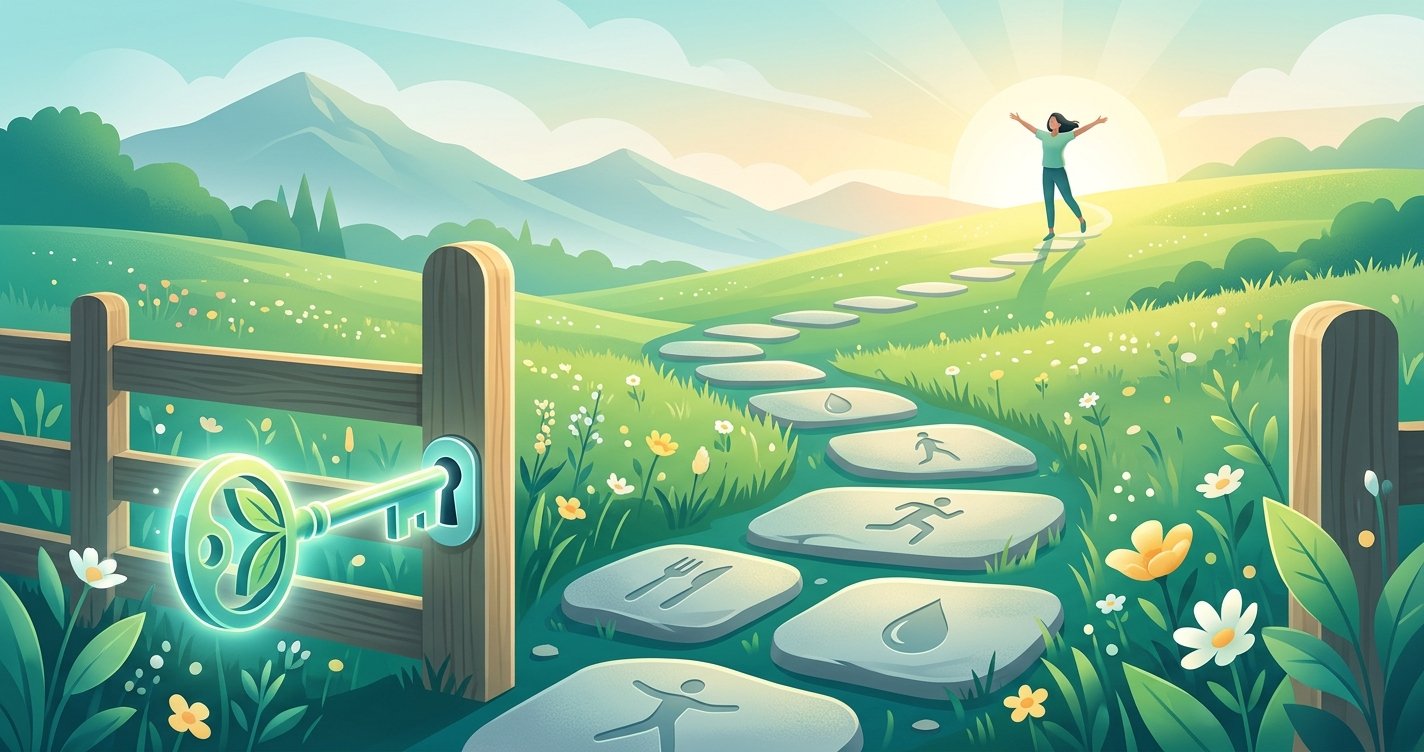
Tired of the Diet Rollercoaster? Discover Sustainable Fat Loss!
Hey there, fellow wellness seeker! Have you ever found yourself caught in the endless cycle of crash diets? You know the drill: extreme restriction, rapid weight loss, followed by an inevitable rebound, often leaving you heavier and more frustrated than before. It's a tale as old as time, and frankly, it's exhausting.
But what if we told you there's a better way? A path to fat loss that doesn't involve starvation, endless hours on the treadmill, or giving up all your favorite foods? We're talking about sustainable fat loss – a holistic approach that focuses on long-term health, consistent progress, and cultivating habits you can actually stick with for life. No quick fixes, just lasting results. this excellent wellness product
In this guide, we're going to explore the science-backed strategies that empower you to shed fat effectively, improve your metabolic health, and finally step off that dreaded diet rollercoaster. Get ready to transform your body and your relationship with food, all while feeling energized and empowered!
Why Crash Diets Always Fail (And How to Spot Them)
Let's be honest: crash diets are tempting. The promise of losing 10 pounds in a week sounds incredibly appealing, especially when you're feeling impatient. But these extreme approaches, whether they involve severely cutting calories, eliminating entire food groups, or relying on questionable supplements, are fundamentally flawed for several reasons:
- Metabolic Slowdown: When you drastically reduce calorie intake, your body perceives it as a famine. It responds by slowing down your metabolism to conserve energy, making it harder to lose weight and easier to regain it once you return to normal eating.
- Muscle Loss: Rapid weight loss often comes at the expense of lean muscle mass, not just fat. Muscle is metabolically active, meaning it burns more calories at rest. Losing muscle further hinders your long-term fat loss efforts.
- Nutrient Deficiencies: Restricting food groups can lead to a lack of essential vitamins, minerals, and macronutrients, impacting your energy levels, immune system, and overall health.
- Hormonal Imbalance: Extreme dieting can wreak havoc on your hunger and satiety hormones (ghrelin and leptin), leading to increased cravings and a feeling of constant hunger. Stress hormones like cortisol can also spike, promoting fat storage, especially around the belly.
- Psychological Toll: The deprivation, guilt, and obsession associated with crash diets can lead to disordered eating patterns, anxiety, and a negative relationship with food and your body.
Recognizing these pitfalls is the first step towards embracing a healthier, more effective strategy.
The Cornerstone of Sustainable Fat Loss: A Smart Calorie Deficit
At its core, fat loss boils down to one fundamental principle: consuming fewer calories than your body burns – a calorie deficit. However, the key word here is “smart.” A sustainable deficit is moderate, allowing you to lose fat gradually without triggering your body's survival mechanisms or feeling deprived.
- Calculate Your Maintenance: Start by estimating your Basal Metabolic Rate (BMR) and your Total Daily Energy Expenditure (TDEE). Many online calculators can help with this.
- Aim for a Moderate Deficit: A safe and sustainable deficit is typically 300-500 calories below your TDEE. This allows for a fat loss of 1-2 pounds per week, which is ideal for preserving muscle and avoiding metabolic slowdown.
- Prioritize Whole, Unprocessed Foods: Focus on nutrient-dense foods that offer satiety for fewer calories. Think lean proteins, fruits, vegetables, and whole grains. These foods provide essential nutrients and fiber, keeping you full and energized.
- Practice Portion Control: You don't have to eliminate your favorite foods, but understanding appropriate portion sizes is crucial. Use smaller plates, measure ingredients, and listen to your body's hunger cues.
Remember, consistency trumps perfection. Small, consistent efforts accumulate into significant results over time.
Fueling Your Body Right: Beyond Just Calories
While calories are important, the quality of those calories makes a massive difference in how you feel, your satiety, and your body composition. Here's what to prioritize:
- Protein Powerhouse: Aim for adequate protein intake (around 0.7-1 gram per pound of body weight). Protein is incredibly satiating, helps preserve muscle mass during a deficit, and has a higher thermic effect (meaning your body burns more calories digesting it). Include sources like chicken breast, fish, eggs, Greek yogurt, tofu, and lentils in every meal.
- Fiber-Rich Goodness: Fiber, found in fruits, vegetables, whole grains, and legumes, adds bulk to your meals, promotes digestive health, and keeps you feeling full for longer. It slows down sugar absorption, preventing energy crashes and cravings.
- Healthy Fats: Don't fear fats! Healthy fats (avocado, nuts, seeds, olive oil) are essential for hormone production, nutrient absorption, and satiety. Just remember they are calorie-dense, so consume them in moderation.
- Hydration is Key: Often overlooked, adequate water intake is vital. Water can help with satiety, boost metabolism slightly, and is crucial for countless bodily functions. Sometimes, what feels like hunger is actually thirst!
Moving Your Body: Not Just About the Gym
Exercise plays a critical role in fat loss, not just by burning calories, but by improving body composition, boosting metabolism, and enhancing overall health. But it doesn't have to mean grueling gym sessions every day.
- Strength Training is Your Best Friend: Building muscle is paramount for sustainable fat loss. Muscle tissue burns more calories at rest than fat tissue. Aim for 2-4 strength training sessions per week, focusing on compound movements (squats, deadlifts, presses).
- Incorporate NEAT (Non-Exercise Activity Thermogenesis): This is the energy expended for everything we do that is not sleeping, eating, or sports-like exercise. Parking further away, taking the stairs, walking during phone calls, fidgeting – these small movements add up significantly over the day and contribute to your overall calorie expenditure.
- Find Movement You Enjoy: Whether it's dancing, hiking, cycling, or swimming, choose activities that you genuinely enjoy. This increases the likelihood of consistency, making exercise a sustainable part of your lifestyle rather than a chore.
The Power of Sleep & Stress Management for Fat Loss
You can eat perfectly and train hard, but if your sleep and stress levels are out of whack, your fat loss efforts will be severely hampered. These often-overlooked factors play a massive role in hormonal balance and overall well-being.
- Prioritize Quality Sleep: Lack of sleep disrupts hormones that regulate appetite (ghrelin and leptin), leading to increased hunger and cravings for high-calorie, sugary foods. Aim for 7-9 hours of quality sleep per night. Create a relaxing bedtime routine and optimize your sleep environment.
- Manage Stress Effectively: Chronic stress elevates cortisol levels. High cortisol promotes fat storage, especially visceral fat around your midsection, and can lead to emotional eating. Incorporate stress-reducing activities into your daily routine: meditation, yoga, deep breathing exercises, spending time in nature, or engaging in hobbies you love.
Mindset Matters: Cultivating Patience and Self-Compassion
Sustainable fat loss isn't just about what you eat or how you move; it's profoundly about your mindset. This journey requires patience, self-compassion, and a shift away from perfectionism.
- Embrace Consistency, Not Perfection: You will have off days. You will indulge sometimes. That's okay! A single meal or even a weekend won't derail your progress. The key is to get back on track with your healthy habits as soon as possible, without guilt or self-punishment.
- Celebrate Small Wins: Focus on non-scale victories: improved energy, better sleep, clothes fitting better, increased strength, or a more positive mood. These indicate true progress and reinforce positive behaviors.
- Be Kind to Yourself: Talk to yourself with the same encouragement and understanding you would offer a friend. Negative self-talk is demotivating and counterproductive. Your body is amazing, and you are capable of making lasting changes.
- Seek Support: Share your goals with a supportive friend, family member, or join a community. Having accountability and encouragement can make a significant difference.
Your Journey to Lasting Fat Loss Starts Now!
Stepping off the diet rollercoaster and embracing sustainable fat loss is one of the best decisions you can make for your health and happiness. It's not about quick fixes; it's about building healthy habits, understanding your body, and fostering a positive relationship with food and exercise.
Remember, every small, consistent step forward is progress. Start today by making one small change: drink more water, add protein to your breakfast, or take a 15-minute walk. Be patient with yourself, celebrate your efforts, and trust the process. Your journey to a healthier, happier, and more energized you is just beginning!