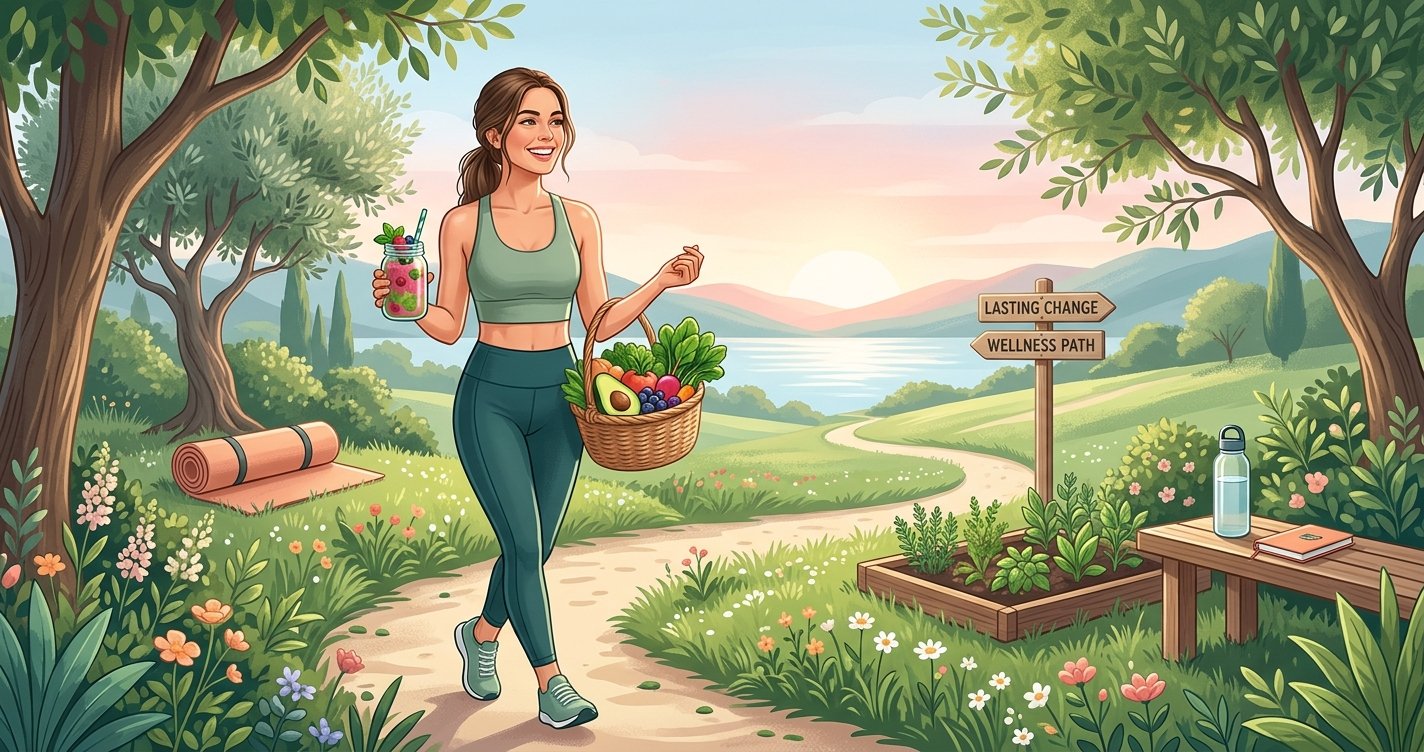
Are you tired of the endless cycle of restrictive diets, rapid weight loss, and even faster regain? You’re not alone. The journey to fat loss can often feel like a frustrating rollercoaster, leaving many feeling defeated and confused. But what if we told you there’s a better way – a path to sustainable fat loss that doesn't involve extreme deprivation, endless hunger, or giving up your favorite foods forever?
This isn't another quick-fix diet plan. Instead, we’re going to explore evidence-based strategies that empower you to build healthy habits, understand your body, and achieve lasting results without sacrificing your well-being. Get ready to ditch the diet mentality and embrace a sustainable approach to a healthier, happier you. this excellent wellness product
Why Extreme Diets Often Fall Short (and What to Avoid)
The allure of rapid results is powerful, which is why extreme diets continue to proliferate. From juice cleanses to ultra-low-carb or ultra-low-fat regimens, these approaches promise quick fixes. However, they often come with a hidden cost:
- Metabolic Adaptation: Severely restricting calories can slow down your metabolism as your body tries to conserve energy, making future fat loss harder.
- Muscle Loss: When you lose weight too quickly, a significant portion often comes from muscle mass, which is crucial for a healthy metabolism and body composition.
- Nutrient Deficiencies: Restrictive diets can cut out entire food groups, leading to a lack of essential vitamins and minerals.
- Unsustainability & Rebound Weight Gain: Such diets are incredibly difficult to maintain long-term. Once you "fall off the wagon," the restrictive mindset often leads to overeating and rapid weight regain, sometimes even more than what was lost. This is often referred to as the "yo-yo" effect.
- Negative Relationship with Food: Extreme diets can foster guilt, shame, and anxiety around eating, turning food into an enemy rather than a source of nourishment and enjoyment.
The truth is, true sustainable fat loss isn't about deprivation; it's about cultivation – cultivating habits that nourish your body and mind for the long haul.
The Pillars of Sustainable Fat Loss: Building Healthy Habits
Instead of focusing on what to cut out, let's shift our attention to what to incorporate. These foundational principles are backed by science and designed for real-life application.
1. Calorie Awareness, Not Calorie Restriction
At its core, fat loss is about creating a consistent, moderate calorie deficit – consuming slightly fewer calories than your body burns over time. This doesn't mean meticulously counting every single calorie for the rest of your life, but rather developing an awareness of what you're eating.
- Understand Your Needs: Learn about your estimated daily caloric needs for maintenance and then aim for a modest deficit (e.g., 300-500 calories below maintenance). There are many online calculators that can provide a starting point.
- Mindful Eating: Pay attention to your hunger and fullness cues. Eat slowly, savor your food, and avoid distractions. This helps you recognize when you're satisfied, preventing overeating.
- Portion Control: Become familiar with healthy portion sizes. Often, we underestimate how much we’re actually eating.
- Track for a Bit (If Helpful): For some, tracking food intake for a few weeks can be incredibly insightful, revealing hidden calories or areas for improvement without becoming a lifelong chore.
2. Prioritize Protein and Fiber at Every Meal
These two macronutrients are your best friends on a fat loss journey.
- Protein Power: Protein is highly satiating, meaning it keeps you feeling full for longer, reducing cravings. It also has a higher thermic effect of food (TEF), meaning your body burns more calories digesting it. Crucially, adequate protein intake helps preserve muscle mass during a calorie deficit. Aim for a lean protein source at every meal (e.g., chicken, fish, lean beef, eggs, tofu, lentils, Greek yogurt).
- Fiber's Fullness Factor: Found in fruits, vegetables, whole grains, and legumes, fiber adds bulk to your meals without adding many calories. It slows digestion, stabilizes blood sugar, and promotes gut health – all contributing to sustained energy and reduced hunger. Fill half your plate with non-starchy vegetables!
3. Embrace Strength Training for Body Transformation
If you're only doing cardio, you're missing out on a powerful tool for fat loss. Strength training (lifting weights, using resistance bands, or bodyweight exercises) is transformative.
- Build Muscle, Boost Metabolism: Muscle tissue is more metabolically active than fat tissue, meaning it burns more calories at rest. Building muscle helps you burn more calories 24/7, even when you're not exercising.
- Reshape Your Body: Strength training helps improve body composition – the ratio of muscle to fat. You might even see your body change shape and become firmer, even if the scale doesn't move dramatically, which is a huge win!
- Bone Health & Functional Strength: Beyond fat loss, strength training improves bone density, reduces injury risk, and makes everyday tasks easier.
Aim for 2-4 strength training sessions per week, targeting all major muscle groups.
4. Move More, Live Better (Beyond the Gym)
While structured workouts are great, your daily non-exercise activity thermogenesis (NEAT) plays a significant role in your overall calorie expenditure.
- Walk More: Parking further away, taking the stairs, going for a lunchtime stroll – these small changes add up. Aim for 8,000-10,000 steps a day.
- Active Hobbies: Find activities you enjoy that keep you moving, whether it's hiking, dancing, gardening, or playing with your kids or pets.
- Stand Up: If you have a desk job, try to stand and move around every hour.
Think of movement as an integral part of your life, not just a chore to check off.
5. The Power of Sleep and Stress Management
Often overlooked, sleep and stress are critical players in your fat loss journey.
- Sleep's Role: Lack of sleep disrupts hormones that regulate hunger (ghrelin increases, leptin decreases), leading to increased appetite and cravings for unhealthy foods. Aim for 7-9 hours of quality sleep per night.
- Stress's Impact: Chronic stress elevates cortisol levels, which can promote fat storage, particularly around the midsection. Find healthy ways to manage stress, such as meditation, deep breathing, spending time in nature, or engaging in hobbies.
Prioritizing rest and relaxation isn't lazy; it's a strategic move for your health and fat loss goals.
Building Your Personalized Sustainable Plan: Small Changes, Big Impact
Remember, sustainability is key. Don't try to overhaul everything at once. Pick one or two areas to focus on first, master them, and then add more.
- Start Small: Instead of "I'm going to eat perfectly," try "I'm going to add a serving of vegetables to dinner every night."
- Be Consistent: Small, consistent actions yield far greater results than sporadic, extreme efforts.
- Listen to Your Body: Pay attention to how different foods and activities make you feel. This bio-feedback is invaluable for tailoring your plan.
- Be Patient & Kind to Yourself: Fat loss is a journey, not a race. There will be ups and downs. Celebrate small victories and don't let setbacks derail your progress. Progress over perfection.
- Seek Support: Share your goals with a trusted friend, family member, or even a professional coach. A support system can make a huge difference.
Embrace the Journey to Lasting Change
Ditching the diet mentality and embracing a sustainable approach to fat loss is a profound shift – one that promises not just a healthier body, but also a healthier relationship with food, exercise, and yourself. It's about empowering yourself with knowledge, building consistent habits, and trusting the process. You have the power to create lasting change, one mindful choice at a time. Here's to a healthier, happier, and more sustainable you!