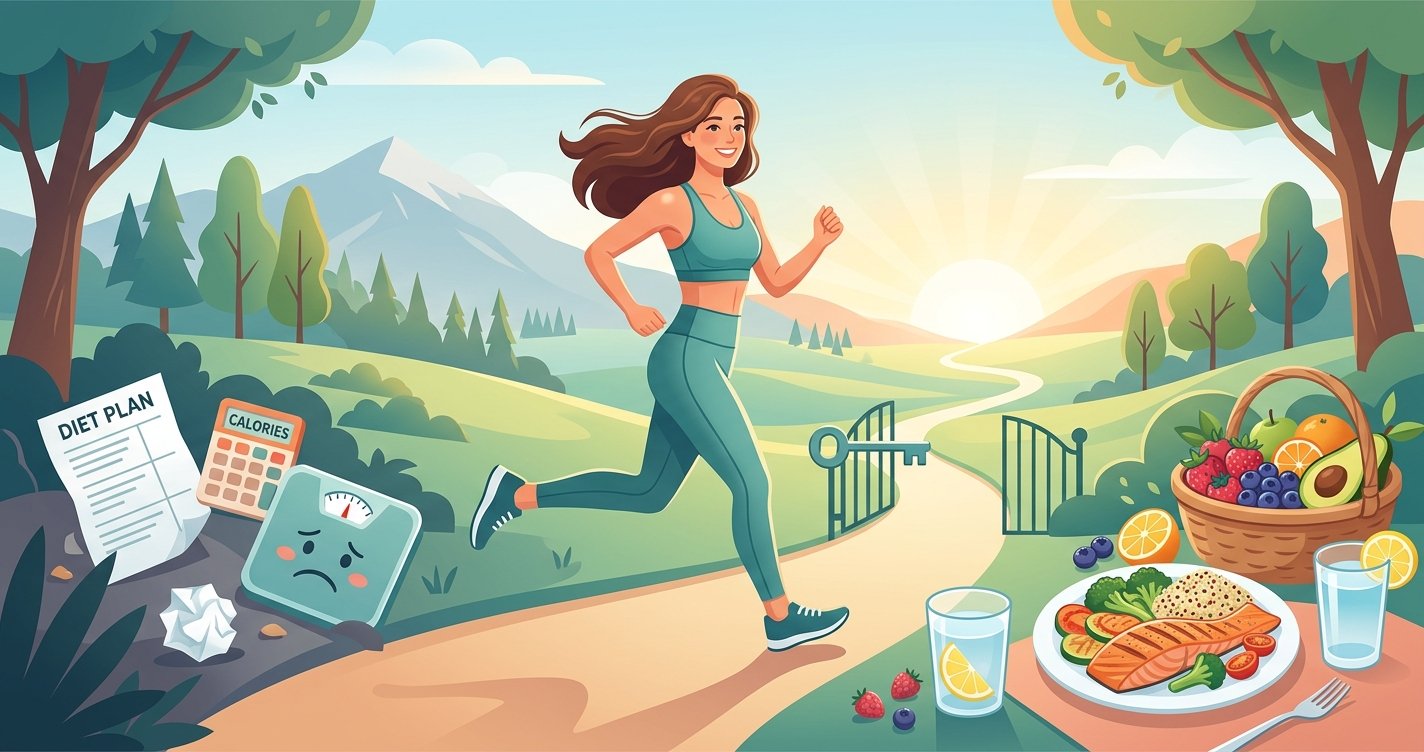
Are you tired of the endless cycle of crash diets, restrictive eating, and the frustrating rebound weight gain that often follows? You’re not alone. Many people embark on their fat loss journey with the best intentions, only to find themselves burnt out, hungry, and ultimately back where they started. The good news? Sustainable fat loss is not only possible but also incredibly liberating. It’s about building a healthier lifestyle that you can maintain long-term, rather than punishing yourself with temporary fixes. In this guide, we’ll explore evidence-based strategies to help you achieve lasting fat loss without resorting to extreme measures, fostering a positive relationship with food and your body.
Why Crash Diets Fail (And How to Win Instead)
The allure of rapid weight loss is powerful, but crash diets often set us up for failure. These highly restrictive plans typically lead to significant drops in water weight and muscle mass, not just fat. When your body senses severe deprivation, it adapts by slowing down your metabolism to conserve energy. This makes it incredibly difficult to continue losing weight and significantly increases the chances of regaining it, often with extra interest, once the diet ends. It’s a vicious cycle that harms both your physical and mental well-being. this excellent wellness product
Embrace a Gentle Caloric Deficit
Instead of drastic cuts, focus on a modest, sustainable caloric deficit. Aim to consume 300-500 fewer calories than your body burns daily. This allows for steady fat loss (typically 1-2 pounds per week) without triggering extreme metabolic slowdown or intense hunger. It’s a marathon, not a sprint, and consistency is your most powerful tool.
Fueling Your Body: The Power of Protein and Fiber
When it comes to fat loss, what you eat is just as important as how much. Prioritizing protein and fiber-rich foods can make a profound difference in your satiety, energy levels, and metabolic health.
- Protein Power: Protein has the highest thermic effect of food (TEF), meaning your body burns more calories digesting it compared to carbs or fats. More importantly, protein keeps you feeling fuller for longer, reduces cravings, and helps preserve muscle mass during a caloric deficit. Aim for 20-30 grams of protein per meal. Think lean meats, poultry, fish, eggs, dairy, legumes, and plant-based protein sources.
- Fiber-Rich Goodness: Fiber adds bulk to your meals without adding many calories. It slows down digestion, stabilizes blood sugar levels, and contributes to a feeling of fullness. Excellent sources include fruits, vegetables, whole grains, nuts, and seeds.
By focusing on these nutrient-dense foods, you'll naturally reduce your intake of empty calories and feel more satisfied, making your fat loss journey much more enjoyable.
Don't Fear the Lift: Strength Training for Fat Loss
Many people associate fat loss primarily with endless cardio, but strength training is a non-negotiable component for sustainable results. Here’s why:
- Boost Your Metabolism: Muscle tissue is metabolically active, meaning it burns more calories at rest than fat tissue. Building and maintaining muscle mass effectively raises your resting metabolic rate, turning your body into a more efficient fat-burning machine 24/7.
- Shape and Tone: While cardio burns calories, strength training sculpts your body, giving you a lean, toned physique. It helps you lose inches and improves your overall body composition.
- Functional Strength & Bone Health: Beyond aesthetics, strength training improves your functional fitness, making everyday tasks easier, and contributes to stronger bones, reducing the risk of osteoporosis.
Aim for 2-3 full-body strength training sessions per week. You don't need to become a bodybuilder; even bodyweight exercises or light weights can make a significant impact.
Mastering Your Mindset: Beyond the Scale
Sustainable fat loss isn't just about diet and exercise; it's deeply intertwined with your mental and emotional well-being. The scale can be a useful tool, but it doesn't tell the whole story. Fluctuations in water weight, muscle gain, and even hormonal changes can obscure your progress, leading to discouragement.
- Celebrate Non-Scale Victories: Notice how your clothes fit better, how your energy levels improve, how you sleep more soundly, or how you can walk further without getting tired. These are powerful indicators of progress.
- Prioritize Sleep: Lack of sleep disrupts hunger hormones (ghrelin and leptin), leading to increased cravings and poor food choices. Aim for 7-9 hours of quality sleep per night.
- Manage Stress: Chronic stress elevates cortisol levels, which can promote fat storage, especially around the midsection. Incorporate stress-reducing activities like meditation, yoga, spending time in nature, or hobbies you enjoy.
- Practice Self-Compassion: There will be days when you don't hit your goals perfectly. Don't let one slip-up derail your entire journey. Acknowledge it, learn from it, and get back on track with kindness towards yourself.
Hydration and Mindful Eating: Simple Yet Powerful
Two often-overlooked components of sustainable fat loss are adequate hydration and mindful eating practices.
Drink Up!
Water is essential for nearly every bodily function, including metabolism. Sometimes, thirst is mistaken for hunger, leading to unnecessary snacking. Drinking plenty of water can help you feel fuller, support digestion, and even enhance fat burning. Aim for at least 8 glasses (around 2 liters) of water daily, and more if you’re active.
Eat with Intention
Mindful eating means paying attention to your food – its taste, texture, and smell – and recognizing your body’s hunger and fullness cues. In our fast-paced world, it's easy to eat distractedly, leading to overconsumption. Try these tips:
- Eat slowly, savoring each bite.
- Put your fork down between bites.
- Avoid distractions like TV or your phone during meals.
- Listen to your body: stop when you feel satisfied, not stuffed.
Building Sustainable Habits: Consistency Over Perfection
The key to lasting fat loss isn't about being perfect every single day; it's about being consistent over time. Small, incremental changes are far more sustainable than drastic overhauls. Instead of trying to change everything at once, pick one or two habits to focus on each week, like adding a serving of vegetables to every meal or going for a 20-minute walk daily. As these habits become ingrained, you can gradually add more.
Embrace flexibility. Life happens, and there will be celebrations, travel, or stressful periods where your routine might be disrupted. Don't view these as failures, but as opportunities to practice resilience. Get back to your healthy habits as soon as you can, without guilt or self-blame.
Your Journey to Lasting Health Begins Now
Sustainable fat loss is not a quick fix; it’s a transformative journey towards a healthier, happier you. By ditching the restrictive diets and embracing evidence-based strategies – prioritizing protein and fiber, incorporating strength training, nurturing your mindset, staying hydrated, and eating mindfully – you're building a foundation for lasting success. This approach empowers you to enjoy food, move your body joyfully, and achieve a healthy weight that you can maintain for life. Be patient with yourself, celebrate every step, and remember: you are capable of amazing things. Start today, one healthy choice at a time.