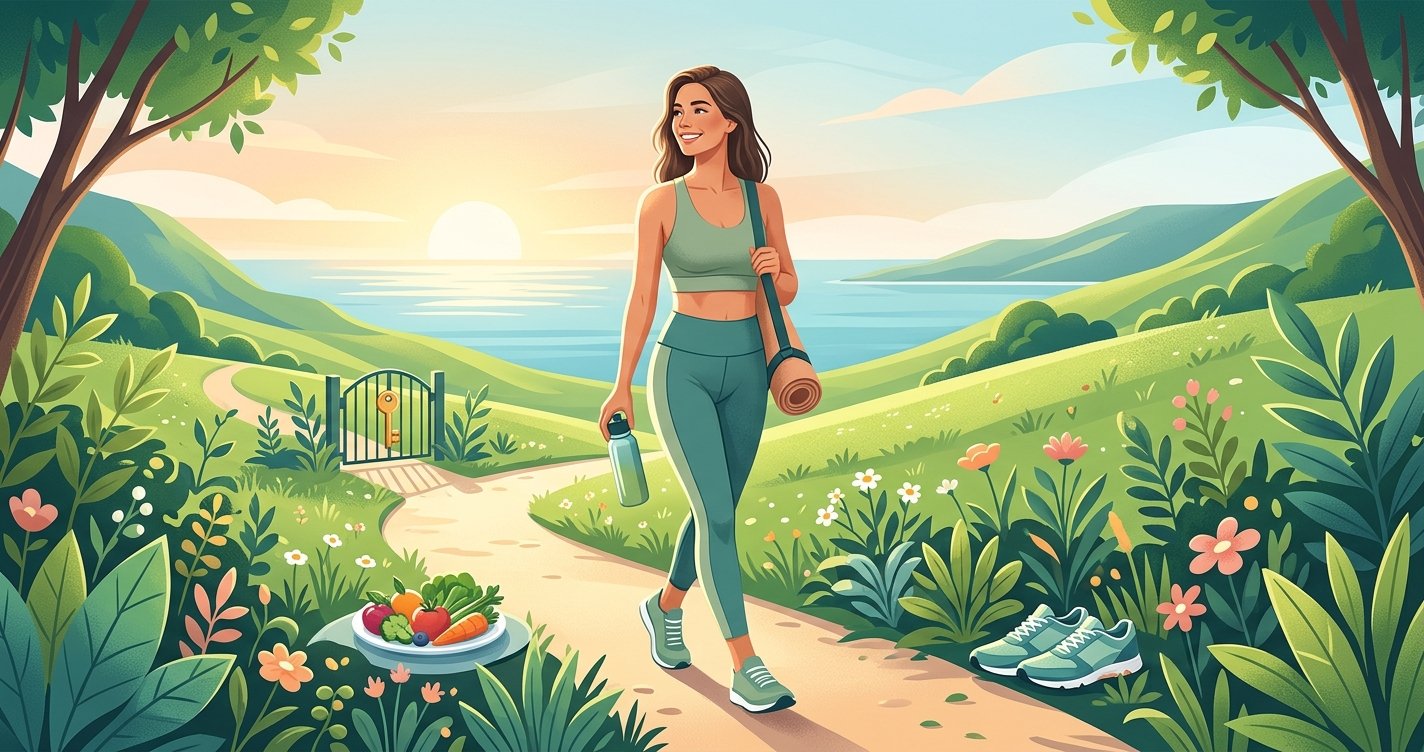
Are you tired of the endless cycle of restrictive diets, quick fixes, and the disheartening 'yo-yo' effect? You're not alone. Many of us have been caught in the trap of chasing rapid results, only to find ourselves back where we started, feeling frustrated and defeated. But what if there was a better way? A path to fat loss that isn't about deprivation, but about empowerment, health, and lasting change?
This isn't another fad diet manifesto. Instead, we're going to explore the evidence-based, sustainable approach to fat loss that prioritizes your well-being, energy, and long-term success. It’s about building habits that serve you, understanding your body, and making choices you can stick with for life. Let's ditch the diet mentality and embrace a journey that leads to genuine, sustainable fat loss and a healthier, happier you. this excellent wellness product
The Foundation: Understanding the Calorie Deficit (Without Obsession)
At its core, fat loss boils down to a simple principle: you need to consume fewer calories than your body expends. This is known as a calorie deficit. While it sounds straightforward, the nuance lies in how you achieve it and, crucially, how you maintain it without feeling constantly deprived or exhausted.
Think of your body as a car. Calories are its fuel. If you put in less fuel than it needs to travel, it will start to tap into its stored reserves – in this case, body fat. However, an extreme deficit can be detrimental, slowing your metabolism, causing muscle loss, and making adherence impossible. The goal isn't to starve yourself, but to create a modest, consistent deficit – typically 300-500 calories below your daily maintenance needs – that allows for gradual, sustainable fat loss (around 1-2 pounds per week for most individuals).
Focus on understanding your body's general needs rather than obsessing over every single calorie. Use online calculators as a starting point, but pay more attention to how your body responds and adjust your intake accordingly.
Fueling Your Body Right: Nutrition for Sustainable Fat Loss
While a calorie deficit is essential, the *quality* of those calories makes a monumental difference. Eating nutrient-dense foods will keep you feeling fuller, provide sustained energy, and support overall health, making your fat loss journey much more enjoyable and effective.
Prioritize Protein
Protein is your best friend when it comes to fat loss. It’s incredibly satiating, meaning it helps you feel full for longer, reducing the likelihood of overeating. Furthermore, protein has a higher thermic effect of food (TEF), meaning your body burns more calories digesting it compared to fats or carbohydrates. Crucially, adequate protein intake helps preserve lean muscle mass during a calorie deficit, which is vital for maintaining a healthy metabolism. Aim for sources like lean meats, poultry, fish, eggs, dairy, legumes, and tofu.
Embrace Fiber-Rich Carbs
Carbohydrates have unfairly gained a bad rap, but fiber-rich complex carbohydrates are crucial for sustained energy, digestive health, and satiety. Foods like whole grains (oats, quinoa, brown rice), fruits, and vegetables are packed with fiber, which slows down digestion, prevents blood sugar spikes, and keeps you feeling full. Don't cut out carbs entirely; instead, choose wisely and enjoy them in moderation.
Don't Fear Healthy Fats
Healthy fats are essential for hormone production, nutrient absorption, and also contribute to satiety. Avocados, nuts, seeds, olive oil, and fatty fish (like salmon) are excellent sources of monounsaturated and polyunsaturated fats. While fats are calorie-dense, incorporating them in appropriate portions can significantly improve your overall dietary satisfaction and health.
Hydration is Key
Often overlooked, drinking enough water is fundamental for fat loss and overall health. Water aids metabolism, helps transport nutrients, and can even help you feel fuller, potentially reducing your overall calorie intake. Make water your primary beverage choice throughout the day.
Move Your Body: Exercise Strategies That Work
Exercise isn't just about burning calories; it's about building strength, improving cardiovascular health, boosting mood, and shaping your body. A balanced exercise routine is a powerful tool in your sustainable fat loss arsenal.
Strength Training: Your Fat-Burning Secret Weapon
If there's one exercise type you shouldn't skip, it's strength training. Building muscle mass is incredibly beneficial because muscle tissue is more metabolically active than fat tissue. This means the more muscle you have, the more calories your body burns at rest. Strength training also helps you retain muscle during a calorie deficit, ensuring that the weight you lose is primarily fat. Aim for 2-4 sessions per week, focusing on compound movements like squats, deadlifts, presses, and rows.
Cardio: The Heart of the Matter
Cardiovascular exercise, or cardio, is excellent for burning calories, improving heart health, and boosting endurance. You don't need to spend hours on the treadmill. Incorporate a mix of steady-state cardio (like brisk walking, jogging, or cycling) and high-intensity interval training (HIIT), which involves short bursts of intense exercise followed by brief recovery periods. HIIT can be very effective for calorie burn and improving fitness in less time.
Beyond Diet and Exercise: The Unsung Heroes of Fat Loss
Sustainable fat loss isn't just about what you eat and how you move. Lifestyle factors play a critical role, often overlooked in the quest for quick results.
The Power of Sleep
Lack of sleep can wreak havoc on your fat loss efforts. When you're sleep-deprived, your body produces more ghrelin (the hunger hormone) and less leptin (the satiety hormone), leading to increased cravings and a higher likelihood of overeating. Poor sleep also elevates cortisol levels, which can promote fat storage, especially around the belly. Aim for 7-9 hours of quality sleep per night to support your body's natural fat-burning and recovery processes.
Managing Stress for Success
Chronic stress also leads to elevated cortisol levels, which can make fat loss incredibly challenging. Stress can also trigger emotional eating and reduce your motivation to stick to healthy habits. Incorporate stress-reduction techniques into your daily routine: mindfulness, meditation, yoga, spending time in nature, or engaging in hobbies you enjoy. Prioritizing mental well-being is not a luxury; it's a necessity for sustainable fat loss.
Consistency, Patience, and Mindset: The True Game Changers
This journey is a marathon, not a sprint. Expecting immediate, linear results is unrealistic and can lead to frustration. Sustainable fat loss requires consistency, patience, and a resilient mindset.
- Consistency over Perfection: Don't let one 'off' meal or missed workout derail your entire week. Get back on track at your next opportunity. Small, consistent efforts compound over time.
- Patience is a Virtue: Fat loss isn't always linear. There will be plateaus and fluctuations. Trust the process, stay consistent, and focus on the long game.
- Cultivate a Positive Mindset: Shift your focus from punishment and restriction to nourishment and empowerment. Celebrate small victories, practice self-compassion, and view challenges as opportunities to learn and adapt.
Listening to Your Body and Celebrating Progress
As you progress, you'll become more attuned to your body's signals. Learn to distinguish between true hunger and emotional cravings. Understand what foods make you feel energized and what leaves you sluggish. This self-awareness is invaluable for long-term maintenance.
Also, don't just rely on the scale. Celebrate non-scale victories (NSVs): clothes fitting better, increased energy, improved mood, better sleep, stronger lifts, and greater endurance. These are powerful indicators of your progress and a healthier lifestyle that extends far beyond a number on a scale.
Embrace Your Sustainable Fat Loss Journey
Sustainable fat loss is about more than just shedding pounds; it's about building a healthier, more vibrant life. By focusing on a balanced approach that includes nutrient-dense eating, effective exercise, quality sleep, stress management, and a positive mindset, you're not just losing weight – you're gaining health, confidence, and lasting habits.
This journey may have its challenges, but with consistency, patience, and a commitment to your well-being, you absolutely can achieve your goals. You deserve to feel strong, energized, and confident in your own skin. Let's make sustainable choices today for a healthier, happier tomorrow.