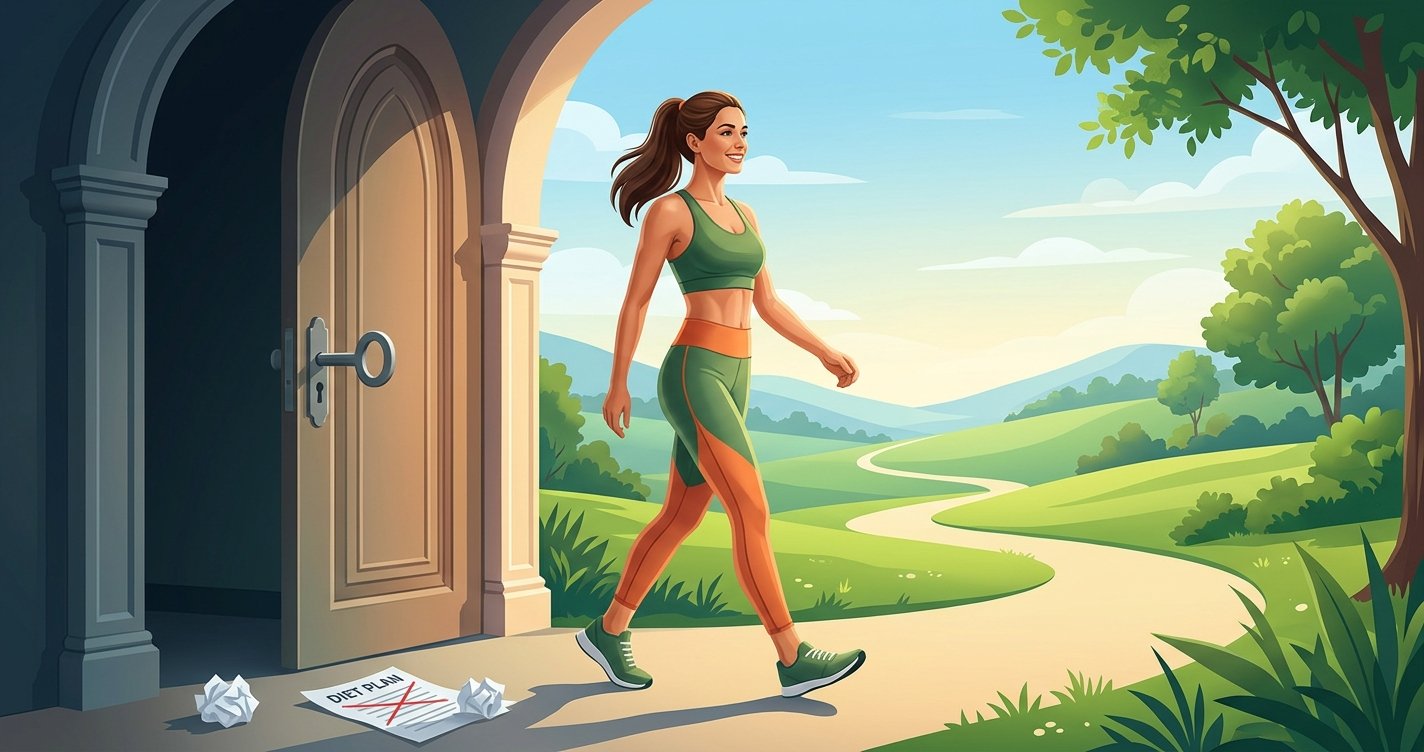
Unlock Sustainable Fat Loss: Ditch the Diets, Embrace Lasting Results
Are you tired of the endless cycle of dieting, restriction, and rebound? Do you dream of achieving your fat loss goals without feeling deprived or constantly battling your cravings? You're not alone. In a world saturated with quick fixes and extreme diet trends, it's easy to get lost and feel frustrated when those promises inevitably fall flat.
But what if there was a better way? A path to fat loss that doesn't involve starvation, endless cardio, or cutting out entire food groups? The good news is, there is. This guide will show you how to move beyond temporary solutions and embrace sustainable, evidence-based strategies for lasting fat loss. We're talking about real, tangible changes that fit into your life, not dictate it. Get ready to transform your body and your relationship with food, all while feeling energized and empowered! this excellent wellness product
Why "Dieting" Often Fails (And What to Do Instead)
Before we dive into what works, let's understand why the traditional "diet" approach so often leads to disappointment and a feeling of failure. It's not you; it's the unsustainable nature of most restrictive plans.
The Vicious Cycle of Restriction and Rebound
Most diets operate on extreme caloric restriction, which might yield rapid initial weight loss, but often comes at a high cost. Your body is incredibly smart; it perceives severe restriction as a threat, triggering survival mechanisms. Your metabolism can slow down to conserve energy, and your hunger hormones (like ghrelin) can increase, making you feel constantly hungry. This biological pushback, coupled with the psychological toll of deprivation, often leads to intense cravings, binge eating, and ultimately, regaining the lost weight – sometimes even more. It's a frustrating loop that many people experience, leading to feelings of guilt and hopelessness.
Beyond the Scale: Focusing on Health, Not Just Weight
Another major pitfall of traditional dieting is its singular focus on the number on the scale. While fat loss is a goal, true success lies in improving overall health, energy levels, body composition, and mental well-being. When you shift your focus from simply dropping pounds to nourishing your body, building strength, managing stress, and improving sleep, the fat loss often follows as a positive side effect. This holistic approach makes the journey more enjoyable and the results more sustainable, because you're building a healthier lifestyle, not just adhering to a temporary diet plan.
The Pillars of Sustainable Fat Loss (No Gimmicks Required)
Sustainable fat loss isn't about deprivation; it's about intelligent choices that support your body's natural functions. Here are the core pillars:
Pillar 1: Smart Nutrition – Fueling Your Body, Not Depriving It
Instead of strict calorie counting or eliminating entire food groups, focus on nutrient density and mindful eating. Your goal is to create a moderate caloric deficit over time while ensuring your body gets all the essential nutrients it needs to thrive.
- Prioritize Protein: Protein is king for fat loss. It's incredibly satiating, helping you feel fuller for longer, which naturally reduces overall calorie intake. Furthermore, it's crucial for preserving muscle mass during a caloric deficit, and muscle burns more calories at rest than fat. Aim for a good source of protein at every meal (e.g., lean meats, poultry, fish, eggs, dairy, legumes, tofu).
- Embrace Fiber-Rich Foods: Foods high in fiber (vegetables, fruits, whole grains, beans) add volume to your meals, promoting satiety without adding many calories. Fiber also aids digestion and helps stabilize blood sugar levels, preventing energy crashes and subsequent cravings.
- Don't Fear Healthy Fats: Healthy fats (avocados, nuts, seeds, olive oil) are essential for hormone production, nutrient absorption, and satiety. While calorie-dense, a moderate amount can help you feel satisfied and prevent overeating.
- Hydrate Adequately: Often overlooked, drinking enough water is vital. Sometimes thirst is mistaken for hunger. Water also plays a role in metabolism and can help you feel full before meals.
- Practice Mindful Eating: Pay attention to your body's hunger and fullness cues. Eat slowly, savor your food, and avoid distractions. This helps prevent overeating and fosters a healthier relationship with food.
Pillar 2: Strategic Movement – Finding Joy in Activity
Exercise isn't just about burning calories; it's about building a stronger, healthier, and more metabolically active body. The best exercise plan is one you can stick to and enjoy.
- Strength Training is Your Secret Weapon: Don't skip the weights! Building muscle increases your basal metabolic rate (BMR), meaning you burn more calories even at rest. Strength training also improves body composition, making you look leaner and more toned even if the scale doesn't drastically change. Aim for 2-4 sessions per week, focusing on major muscle groups.
- Incorporate Cardio for Heart Health and Calorie Burn: While strength training builds muscle, cardiovascular exercise is excellent for heart health, endurance, and burning additional calories. This doesn't mean hours on the treadmill. Find activities you genuinely enjoy – brisk walking, cycling, swimming, dancing, hiking, or team sports. Aim for 150-300 minutes of moderate-intensity cardio per week.
- Increase Non-Exercise Activity Thermogenesis (NEAT): These are the calories you burn doing everyday activities that aren't formal exercise. Take the stairs, park further away, walk during phone calls, stand more, fidget. These small movements add up significantly over the course of a day and week.
Pillar 3: Prioritizing Sleep & Stress Management – The Unsung Heroes
You can eat perfectly and exercise diligently, but if your sleep and stress levels are out of whack, your fat loss efforts will be severely hampered. These factors profoundly impact your hormones and metabolism.
- The Power of Sleep: Lack of sleep disrupts hormones that regulate appetite (ghrelin and leptin). Ghrelin, the "hunger hormone," increases, while leptin, the "satiety hormone," decreases. This makes you hungrier, less satisfied, and more prone to cravings for high-calorie, sugary foods. Aim for 7-9 hours of quality sleep per night. Establish a consistent sleep schedule and create a relaxing bedtime routine.
- Taming Stress for Fat Loss: Chronic stress elevates cortisol levels. High cortisol can promote fat storage, especially around the abdominal area, and increase appetite. Find healthy ways to manage stress, such as meditation, yoga, deep breathing exercises, spending time in nature, journaling, or engaging in hobbies you enjoy.
Pillar 4: Consistency Over Perfection – The Long Game
Sustainable fat loss is a marathon, not a sprint. It's about building consistent habits, not achieving flawless execution every single day. There will be days when you overeat, miss a workout, or don't get enough sleep. That's perfectly normal.
- Embrace Imperfection: Don't let a slip-up derail your entire journey. Acknowledge it, learn from it, and get back on track with your next meal or workout. One unhealthy meal doesn't make you unhealthy, just as one healthy meal doesn't make you healthy. It's the cumulative effect of your choices over time.
- Focus on Small, Sustainable Changes: Instead of overhauling everything at once, pick one or two habits to work on for a few weeks until they become automatic. Then, add another. This gradual approach is far more likely to stick than drastic changes.
- Track Progress Beyond the Scale: Celebrate non-scale victories like increased energy, better sleep, stronger lifts, clothes fitting better, improved mood, and clearer skin. These indicators often reflect true progress better than the number on the scale alone.
Practical Steps to Start Your Sustainable Journey Today
Ready to make lasting changes? Here are some actionable steps you can take right now:
- Meal Prep for Success: Dedicate a few hours each week to prepare healthy meals and snacks. Having nutritious options readily available reduces the likelihood of reaching for less healthy convenience foods.
- Move Your Body Daily: Even if it's just a 30-minute walk, commit to some form of physical activity every day. Consistency is key.
- Audit Your Sleep Habits: For one week, track your sleep duration and quality. Identify areas for improvement and implement one new sleep hygiene practice (e.g., no screens an hour before bed).
- Find Your Stress Relievers: Experiment with different stress-reduction techniques. What helps you unwind and feel calm? Make time for it regularly.
- Set Realistic Expectations: Sustainable fat loss is typically 0.5-2 pounds per week. Celebrate small victories and be patient with yourself.
- Seek Support: Share your goals with a trusted friend, family member, or consider working with a coach or dietitian for personalized guidance and accountability.
Embrace Your Journey to Lasting Health and Happiness
Ditching the diet mentality and embracing a sustainable approach to fat loss is one of the most empowering decisions you can make for your health. It's not about quick fixes or extreme measures; it's about building a foundation of healthy habits that nourish your body, energize your mind, and make you feel truly alive. Remember, every small, consistent step forward contributes to your long-term success. Be patient, be kind to yourself, and celebrate every victory along the way. Your sustainable fat loss journey starts now – and it's going to be a truly rewarding one!