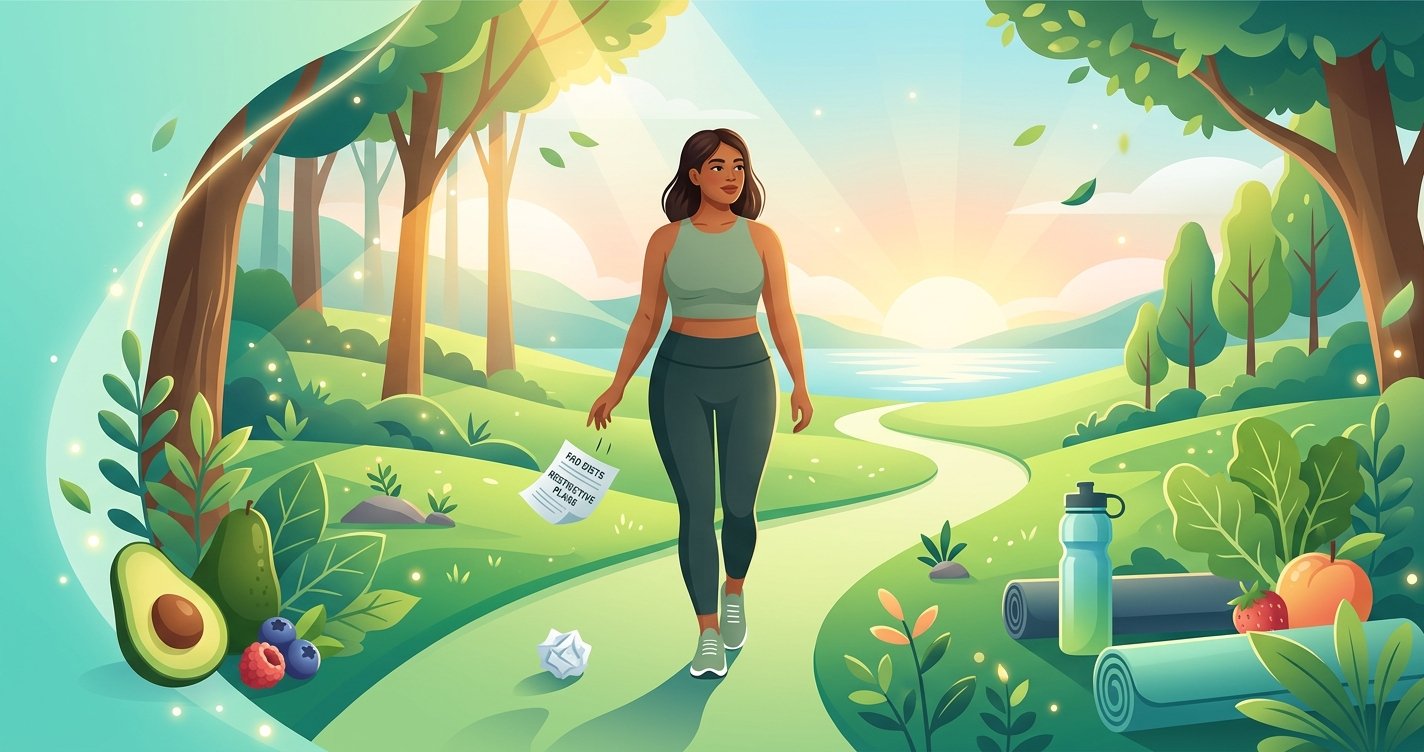
Are you tired of the endless cycle of restrictive diets, quick-fix promises, and the inevitable rebound weight gain? You're not alone. Many of us have fallen prey to the allure of rapid results, only to find ourselves back at square one, feeling frustrated and defeated. But what if there was a better way? A sustainable path to fat loss that doesn't involve deprivation, but instead focuses on building healthy habits that last a lifetime? Good news: there is!
This comprehensive guide will ditch the fads and dive deep into the evidence-based strategies for achieving sustainable fat loss. We're talking about real, lasting change that not only transforms your body but also improves your overall health and well-being. Get ready to unlock the secrets to a healthier, happier you, without the yo-yo effect. this excellent wellness product
Why Quick Fixes Fail: The Yo-Yo Trap
Let's be honest, the appeal of losing 10 pounds in a week is incredibly strong. Crash diets, extreme calorie restriction, and detoxes promise fast results, and sometimes, they even deliver... temporarily. The problem? These methods are rarely sustainable. They often lead to nutrient deficiencies, muscle loss (not just fat!), metabolic slowdown, and an unhealthy relationship with food.
When your body perceives extreme deprivation, it goes into "survival mode." Your metabolism slows down to conserve energy, and your hunger hormones go into overdrive, making it incredibly difficult to stick to the plan. As soon as you return to normal eating patterns, your body, in its wisdom, often overcompensates, leading to weight regain—and often, a little extra on top. This is the notorious "yo-yo effect," a vicious cycle that leaves you heavier and more discouraged than before. Sustainable fat loss, by contrast, is about creating a gentle, consistent deficit that your body can adapt to without feeling constantly under attack.
The Foundation: Understanding Your Calorie Deficit
At its core, fat loss boils down to one fundamental principle: consuming fewer calories than your body expends. This is known as creating a "calorie deficit." It sounds simple, but the key is to do it intelligently and sustainably.
Calculating Your Needs: A Simple Approach
While precise calculations can be complex, you can estimate your daily calorie needs for maintenance using online calculators (search for "TDEE calculator" - Total Daily Energy Expenditure). Once you have that number, aim to create a deficit of 300-500 calories per day. This modest deficit is enough to promote steady fat loss (typically 1-2 pounds per week) without triggering extreme hunger or metabolic slowdown. Remember, this isn't about starvation; it's about mindful eating and making smarter choices.
- Track your intake: For a few days, use an app to log everything you eat. This provides valuable insight into your current habits.
- Focus on quality: Prioritize nutrient-dense foods that keep you full and satisfied.
- Be patient: Fat loss is a marathon, not a sprint. Consistent effort over time yields the best results.
Fueling Your Body Right: Nutrition for Sustainable Fat Loss
A calorie deficit is crucial, but what you eat within that deficit is equally important. Prioritizing whole, unprocessed foods will not only provide essential nutrients but also keep you feeling fuller for longer, making the deficit much easier to maintain.
The Power of Protein and Fiber
These two macronutrients are your best friends on a fat loss journey. Protein is highly satiating, meaning it helps you feel full and reduces cravings. It also helps preserve muscle mass during weight loss, which is vital for maintaining a healthy metabolism. Aim for 0.7-1 gram of protein per pound of body weight per day.
Fiber, found in fruits, vegetables, and whole grains, adds bulk to your meals, aids digestion, and slows down sugar absorption, preventing energy crashes. Plus, high-fiber foods are generally lower in calories for their volume, allowing you to eat more and feel satisfied.
- Excellent Protein Sources: Lean meats, poultry, fish, eggs, dairy (Greek yogurt, cottage cheese), legumes, tofu, tempeh.
- Fiber-Rich Foods: Berries, apples, broccoli, spinach, lentils, black beans, oats, quinoa.
Hydration: An Unsung Hero
Don't underestimate the power of water! Staying well-hydrated is essential for optimal metabolic function, nutrient transport, and even appetite control. Sometimes, what we perceive as hunger is actually thirst. Aim to drink 8-10 glasses of water daily, and consider having a glass before meals.
Move Your Body, Boost Your Metabolism: Exercise for Lasting Results
While nutrition creates the calorie deficit, exercise amplifies your efforts, builds strength, improves cardiovascular health, and boosts your metabolism. It's not just about burning calories; it's about building a stronger, more resilient body.
Embrace Strength Training
If you're not lifting weights, you're missing out on a powerful fat loss tool! Muscle is metabolically active tissue, meaning it burns more calories at rest than fat does. Building and maintaining muscle mass through strength training helps to increase your resting metabolism, making it easier to stay in a deficit and preventing the metabolic slowdown often associated with dieting. Aim for 2-3 full-body strength training sessions per week.
Cardio for Heart Health and Calorie Burn
Cardiovascular exercise (like brisk walking, jogging, cycling, or swimming) is excellent for burning calories, improving heart health, and boosting your mood. While strength training is crucial for muscle preservation, cardio helps increase your daily energy expenditure. Find activities you enjoy and aim for at least 150 minutes of moderate-intensity cardio or 75 minutes of vigorous-intensity cardio per week.
Beyond Food and Exercise: Lifestyle Factors That Matter
Sustainable fat loss isn't just about what you eat and how much you move; it's deeply intertwined with your overall lifestyle. Neglecting these crucial areas can sabotage even the best diet and exercise plans.
The Crucial Role of Sleep
Lack of sleep can wreak havoc on your hormones, specifically ghrelin (the hunger hormone) and leptin (the satiety hormone). When you're sleep-deprived, ghrelin levels increase, making you feel hungrier, while leptin levels decrease, making it harder to feel full. Aim for 7-9 hours of quality sleep per night to support your fat loss goals and overall well-being.
Managing Stress for Better Outcomes
Chronic stress triggers the release of cortisol, a hormone that, in excess, can promote fat storage, particularly around the abdominal area. High cortisol levels can also increase cravings for sugary and fatty foods. Incorporate stress-reduction techniques into your daily routine, such as meditation, yoga, deep breathing exercises, spending time in nature, or engaging in hobbies you love.
Mindful Eating: Reconnecting with Your Body
In our fast-paced world, it's easy to eat on the go, in front of screens, or without truly paying attention to our food. Mindful eating involves slowing down, savoring each bite, and listening to your body's hunger and fullness cues. This practice can help prevent overeating, improve digestion, and foster a healthier relationship with food. Put away distractions, eat slowly, and truly taste your food.
Building Habits That Stick: Consistency Over Perfection
The journey to sustainable fat loss is about progress, not perfection. There will be days when you don't hit your targets, or when life throws a curveball. That's okay! The key is to be consistent most of the time and to get back on track without self-judgment.
- Set realistic goals: Small, achievable goals build momentum and confidence.
- Track your progress: Beyond the scale, consider measurements, how your clothes fit, energy levels, and strength gains.
- Find your support system: Share your journey with friends, family, or a coach.
- Celebrate small wins: Acknowledge your efforts and successes, no matter how minor.
- Be kind to yourself: Self-compassion is a powerful tool for long-term success.
Your Sustainable Fat Loss Journey Starts Today!
Ditching the quick fixes and embracing a sustainable approach to fat loss is perhaps the most empowering decision you can make for your health. It's not about temporary deprivation; it's about cultivating a lifestyle that nourishes your body, strengthens your mind, and brings lasting vitality. By focusing on a smart calorie deficit, nutrient-rich foods, consistent exercise, and crucial lifestyle factors like sleep and stress management, you're not just losing weight—you're building a foundation for a healthier, happier future.
Remember, this is your journey, and every small, consistent step forward is a victory. Be patient, be persistent, and most importantly, be kind to yourself. You have the power to create lasting change. Let's make it happen!