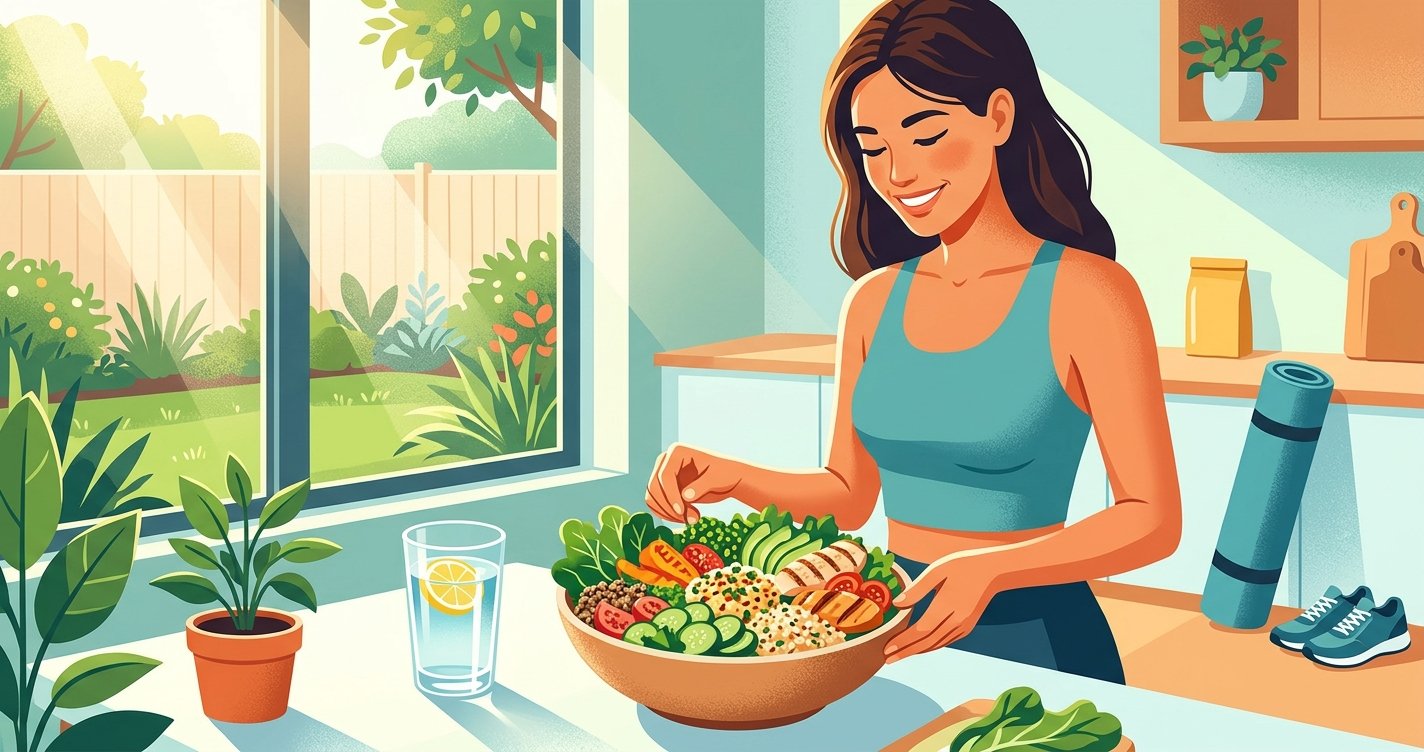
Are you tired of the endless cycle of crash diets, restrictive eating, and the frustrating 'yo-yo' effect? You're not alone. Millions of people embark on strict fat loss journeys only to find themselves back where they started, often feeling more discouraged than before. The truth is, sustainable fat loss isn't about deprivation; it's about cultivation. It's about nurturing your body and mind with lasting, positive lifestyle changes that make you feel good, inside and out. This isn't just about shedding pounds; it's about gaining health, energy, and a happier relationship with food and your body.
In this comprehensive guide, we'll explore an evidence-based approach to fat loss that focuses on sustainability, enjoyment, and long-term well-being. Get ready to ditch the diet mentality and embrace a kinder, more effective path to the body you desire. this excellent wellness product
Why Most Diets Fail (And What to Do Instead)
Many popular diets promise rapid fat loss through extreme calorie restriction or eliminating entire food groups. While these methods might show quick initial results, they often lead to metabolic slowdown, intense cravings, nutrient deficiencies, and a detrimental impact on your mental health. Your body is incredibly smart; when it senses starvation, it adapts by slowing down its metabolism to conserve energy, making further fat loss incredibly difficult.
Furthermore, psychological restriction often backfires, leading to obsessive thoughts about food, binge eating, and feelings of guilt and failure. It's a vicious cycle that leaves you feeling defeated.
What to do instead:
- Focus on Sustainability: Can you realistically follow this eating pattern for the rest of your life? If not, it's likely not sustainable for long-term fat loss.
- Prioritize Nourishment: Shift your mindset from 'what can't I eat?' to 'what can I add to nourish my body?'
- Listen to Your Body: Relearn your body's natural hunger and fullness cues.
The Power of Mindful Eating: Beyond Calories In, Calories Out
While the 'calories in, calories out' principle holds true for fat loss, it often oversimplifies the complex relationship we have with food. Mindful eating is about paying attention to your food, your body, and your eating experience without judgment. It helps you recognize true hunger versus emotional hunger, savor your meals, and stop when you're comfortably full.
Research consistently shows that mindful eating practices can lead to reduced calorie intake, improved digestion, and a more positive body image. It's not about counting every single calorie, but about being present and intentional with your food choices.
How to practice mindful eating:
- Eat Slowly: Put your fork down between bites.
- Engage Your Senses: Notice the colors, aromas, textures, and flavors of your food.
- Eliminate Distractions: Turn off the TV, put away your phone, and focus on your meal.
- Check In: Ask yourself, 'Am I truly hungry?' and 'Am I satisfied?' during your meal.
Fueling Your Body Right: Nutrient-Dense Choices for Sustainable Fat Loss
Sustainable fat loss isn't about eating less; it's about eating better. Prioritizing nutrient-dense, whole foods will naturally lead to greater satiety, better energy levels, and improved metabolic health without feeling deprived. These foods provide essential vitamins, minerals, fiber, and macronutrients that support your body's natural fat-burning processes.
Key nutrient-dense foods to embrace:
- Lean Proteins: Chicken, turkey, fish, eggs, legumes, tofu. Protein is crucial for muscle repair, satiety, and has a higher thermic effect (meaning your body burns more calories digesting it).
- High-Fiber Foods: Vegetables, fruits, whole grains, beans, lentils. Fiber helps you feel full, aids digestion, and stabilizes blood sugar.
- Healthy Fats: Avocados, nuts, seeds, olive oil. Healthy fats are essential for hormone production, nutrient absorption, and long-term satiety.
- Plenty of Water: Staying hydrated is vital for metabolism, energy, and can help reduce mistaken hunger cues.
Focus on filling half your plate with non-starchy vegetables, a quarter with lean protein, and a quarter with complex carbohydrates or healthy fats.
Moving Your Body Joyfully: Exercise That Sticks
Movement is a powerful tool for fat loss, but it doesn't have to be a chore. The key to sustainable exercise is finding activities you genuinely enjoy, making it easier to stick with them long-term. Exercise not only burns calories but also builds muscle, boosts metabolism, improves mood, and reduces stress – all factors that contribute to healthy fat loss.
Embrace diverse movement:
- Strength Training: Lifting weights or using bodyweight exercises builds muscle, which is metabolically active tissue, meaning it burns more calories even at rest. Aim for 2-3 sessions per week.
- Cardiovascular Exercise: Walking, jogging, cycling, swimming, dancing. Find what you love! Aim for 150 minutes of moderate-intensity activity per week.
- Non-Exercise Activity Thermogenesis (NEAT): This includes all the movement you do outside of structured exercise – taking the stairs, parking further away, standing more, fidgeting. Small movements add up!
Remember, consistency trumps intensity. A daily walk you enjoy is far more effective than sporadic, grueling workouts you dread.
The Unsung Heroes of Fat Loss: Sleep, Stress, and Support
Often overlooked, these three factors play a critical role in your body's ability to lose fat and maintain a healthy weight. Ignoring them can sabotage even the most diligent diet and exercise efforts.
Sleep for Success:
Lack of sleep disrupts hormones that regulate hunger (ghrelin) and satiety (leptin), leading to increased cravings for high-calorie foods. It also elevates cortisol (the stress hormone), which can promote belly fat storage. Aim for 7-9 hours of quality sleep per night.
Manage Your Stress:
Chronic stress keeps cortisol levels elevated, making fat loss difficult, especially around the midsection. Find healthy ways to manage stress, such as:
- Meditation or deep breathing exercises
- Yoga or gentle stretching
- Spending time in nature
- Journaling
- Engaging in hobbies you love
Build a Support System:
You don't have to do this alone. Surround yourself with positive influences – friends, family, or a supportive community – who encourage your healthy choices. Accountability and shared experiences can make a huge difference in your journey.
Building Sustainable Habits: Small Steps, Big Results
The journey to sustainable fat loss is a marathon, not a sprint. It's about consistently making small, manageable changes that accumulate into significant results over time. Don't try to overhaul everything at once; pick one or two habits to focus on each week or month.
Practical tips for building lasting habits:
- Start Small: Instead of 'I'll never eat dessert again,' try 'I'll have dessert once a week.'
- Be Consistent: Regularity is more important than perfection. Missing a day isn't a failure, it's an opportunity to recommit.
- Track Progress Beyond the Scale: Notice improvements in energy levels, sleep quality, mood, clothes fit, and strength.
- Practice Self-Compassion: There will be setbacks. Treat yourself with kindness, learn from the experience, and get back on track.
- Celebrate Non-Scale Victories: Acknowledge all the positive changes you're making, not just the number on the scale.
Your Journey to Lasting Wellness Begins Now
Sustainable fat loss isn't a quick fix; it's a commitment to a healthier, happier you. By ditching restrictive diets and embracing mindful eating, nutrient-dense foods, joyful movement, adequate sleep, stress management, and a supportive environment, you're not just losing fat – you're building a foundation for lifelong wellness. This journey requires patience, consistency, and self-compassion, but the rewards are profound: increased energy, improved health, and a more confident, vibrant you.
Remember, your body is capable of amazing things. Treat it with kindness, nourish it well, and move it joyfully. You've got this!