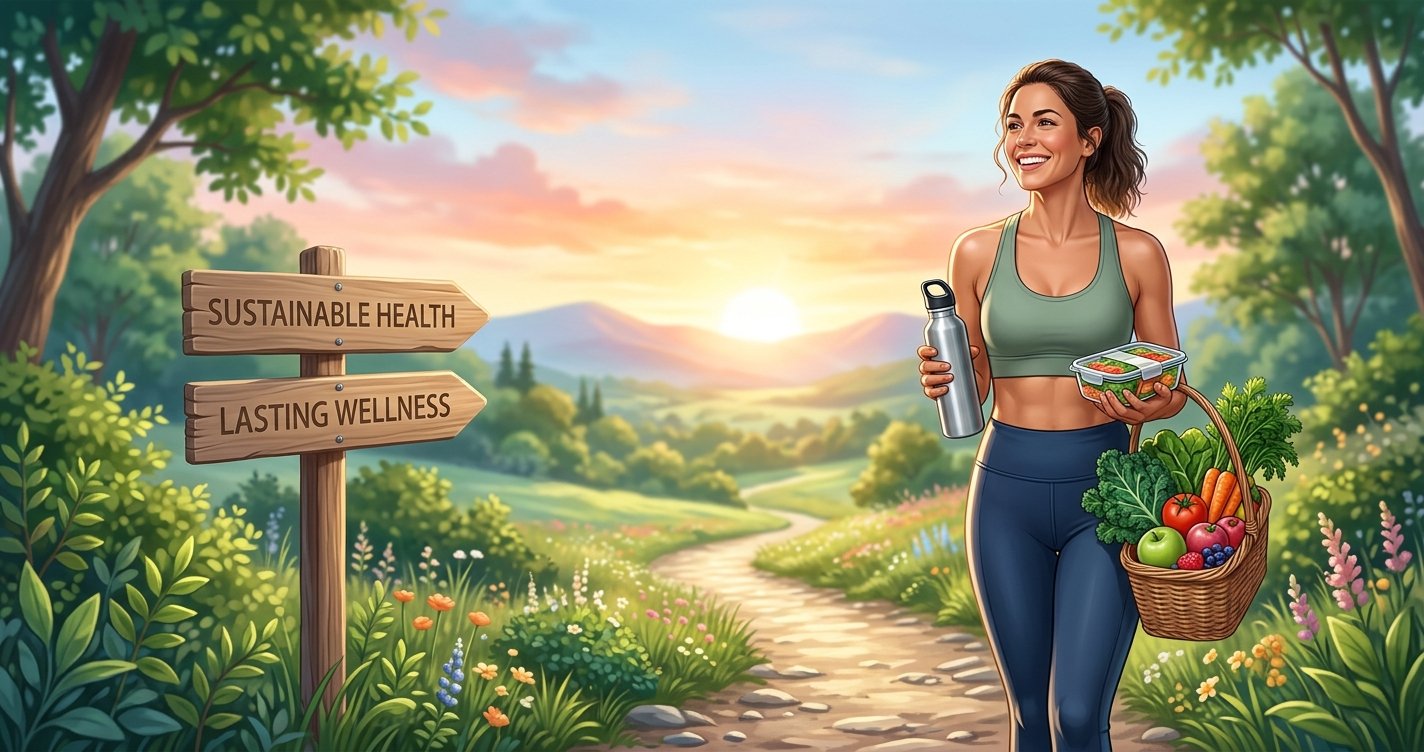
Unlock Sustainable Fat Loss: Ditch Extreme Diets, Embrace Lasting Health
Are you tired of the endless cycle of restrictive diets, quick fixes, and the inevitable rebound? Many of us have been there, chasing the dream of rapid weight loss only to find ourselves frustrated, exhausted, and often heavier than when we started. The truth is, while extreme diets might promise fast results, they rarely deliver sustainable fat loss. They often leave us feeling deprived, battling cravings, and struggling to maintain any progress.
But what if there was a better way? A path to lose fat without dieting in the traditional sense, focusing instead on building healthy, lasting habits that support your body, boost your metabolism, and genuinely improve your well-being? This isn't about deprivation; it's about empowerment. It's about understanding your body and creating a lifestyle that naturally leads to a healthier, leaner you. Let's explore how to achieve true, long-term fat loss by ditching the extremes and embracing a more balanced approach. this excellent wellness product
The Cycle of Frustration: Why Extreme Diets Fall Short
The appeal of a 7-day detox or a super-low-calorie plan is understandable. We want results, and we want them now! However, these approaches often overlook the complex biology and psychology behind fat loss and weight management. They're often too rigid to fit into real life, leading to burnout and eventual abandonment.
The Metabolism Myth: Understanding Your Body's Wisdom
When you drastically cut calories, your body, in its ancient wisdom, perceives this as a famine. It responds by slowing down your metabolism to conserve energy. This is known as metabolic adaptation. While you might lose weight initially, a significant portion of that is often water and muscle, not just fat. Losing muscle is counterproductive for fat loss because muscle tissue is more metabolically active than fat, meaning it burns more calories even at rest. When you inevitably return to a more normal eating pattern, your slowed metabolism and reduced muscle mass make it easier to regain weight, often more than you lost. This is the infamous 'yo-yo effect' and why focusing on a true metabolism boost is crucial for sustainable results.
Beyond Willpower: The Psychological Toll of Restriction
Extreme diets demand immense willpower, which is a finite resource. Constant restriction can lead to increased cravings, obsessive thoughts about food, and a strained relationship with eating. This psychological burden often results in 'cheat days' turning into 'cheat weeks' or periods of overeating, followed by guilt and further restriction. It's an exhausting cycle that rarely fosters a healthy mindset or sustainable habits for healthy weight loss.
Building Your Foundation: The Pillars of Lasting Fat Loss
Instead of quick fixes, let's focus on foundational strategies that work *with* your body, not against it. These evidence-based pillars will help you achieve sustainable fat loss without feeling constantly deprived.
Protein Power: Your Satiety & Muscle-Preserving Ally
If there's one nutrient to prioritize for fat loss, it's protein. Protein is incredibly satiating, meaning it helps you feel fuller for longer, reducing overall calorie intake naturally. It also has a higher thermic effect of food (TEF) compared to carbs and fats, meaning your body burns more calories digesting it. Most importantly, adequate protein intake is crucial for preserving lean muscle mass, especially when you're in a calorie deficit. Aim for 0.7-1 gram of protein per pound of body weight daily from sources like lean meats, poultry, fish, eggs, dairy, legumes, and plant-based protein powders. This is a cornerstone for effective protein for fat loss strategies.
Strength Training: Your Metabolism's Best Friend
Cardio is great for heart health, but if you want to truly reshape your body and boost your metabolism, strength training for fat loss is non-negotiable. Building and maintaining muscle mass is key because muscle burns more calories at rest than fat. The more muscle you have, the higher your resting metabolic rate (RMR), meaning you burn more calories even when you're just sitting around. Aim for 2-4 strength training sessions per week, focusing on compound movements that work multiple muscle groups. Don't worry about 'bulking up' – for most women, this is incredibly difficult without specific training and dietary protocols.
Sleep & Stress Management: The Unsung Heroes of Weight Control
Often overlooked, sleep and stress play critical roles in your body's ability to lose fat. Chronic sleep deprivation can disrupt hormones that regulate appetite (ghrelin and leptin), making you hungrier and less satisfied. It also increases cortisol, the stress hormone, which can promote fat storage, especially around the belly. Similarly, chronic stress keeps cortisol levels elevated, leading to increased cravings for high-calorie comfort foods and hindering fat loss. Prioritizing 7-9 hours of quality sleep per night and finding effective ways to manage stress (meditation, yoga, hobbies, nature walks) are vital components for addressing sleep and fat loss and mitigating stress and weight gain.
Hydration & Fiber: Simple Habits, Profound Impact
- Stay Hydrated: Drinking enough water (aim for 8 glasses or more) can boost metabolism slightly, help with satiety, and is essential for all bodily functions. Sometimes, thirst is mistaken for hunger, so staying hydrated can prevent unnecessary snacking.
- Boost Fiber Intake: Fiber-rich foods (fruits, vegetables, whole grains, legumes) add bulk to your meals, promoting fullness and aiding digestion. Soluble fiber, in particular, can slow down digestion, helping stabilize blood sugar and reduce cravings.
Mindful Eating: Cultivating a Healthy Relationship with Food
Beyond what you eat, how you eat plays a significant role in fat loss and overall well-being. This isn't about strict rules but about developing awareness and listening to your body.
Tune In: Recognizing True Hunger and Fullness
Extreme diets often disconnect us from our internal hunger and fullness cues. Mindful eating encourages you to pay attention. Before eating, ask yourself: Am I truly hungry, or am I bored, stressed, or just craving something? While eating, slow down, savor each bite, and notice when you're comfortably satisfied, not stuffed. This practice helps prevent overeating and fosters a healthier relationship with food.
The 80/20 Rule: Flexibility Over Perfection
Sustainable fat loss isn't about being perfect 100% of the time. The 80/20 rule suggests aiming for nutritious, whole foods 80% of the time, allowing for a little more flexibility with the remaining 20%. This approach makes your eating plan more enjoyable and sustainable long-term, reducing feelings of deprivation and the likelihood of falling off track completely. It's a key part of how to lose fat without dieting in a rigid sense.
Beyond the Scale: Embracing Your Journey and Non-Scale Victories
While the scale can be a useful tool, it doesn't tell the whole story. Your weight can fluctuate daily due to water retention, muscle gain, and other factors. Focusing solely on the number can be demotivating. Instead, celebrate non-scale victories:
- Increased energy levels
- Clothes fitting better
- Improved strength and endurance
- Better sleep quality
- Enhanced mood and mental clarity
- Reduced cravings
- Better digestion
These victories are often more indicative of true progress and contribute significantly to your overall quality of life. Take progress photos, measure your waist circumference, and notice how you feel – these are powerful motivators on your journey to healthy weight loss.
Conclusion: Your Path to Lasting Health and Fat Loss
Achieving sustainable fat loss isn't about chasing the next fad diet; it's about building a foundation of consistent, healthy habits that support your body and mind. By prioritizing protein, embracing strength training, managing sleep and stress, staying hydrated, eating fiber-rich foods, and practicing mindful eating, you can create a lifestyle that naturally leads to a leaner, healthier, and happier you.
Remember, this is a journey, not a race. Be patient with yourself, celebrate small wins, and focus on progress, not perfection. You have the power to transform your body and your relationship with food in a way that truly lasts. Start today by choosing one small habit to implement, and watch as those small changes accumulate into remarkable, sustainable results.