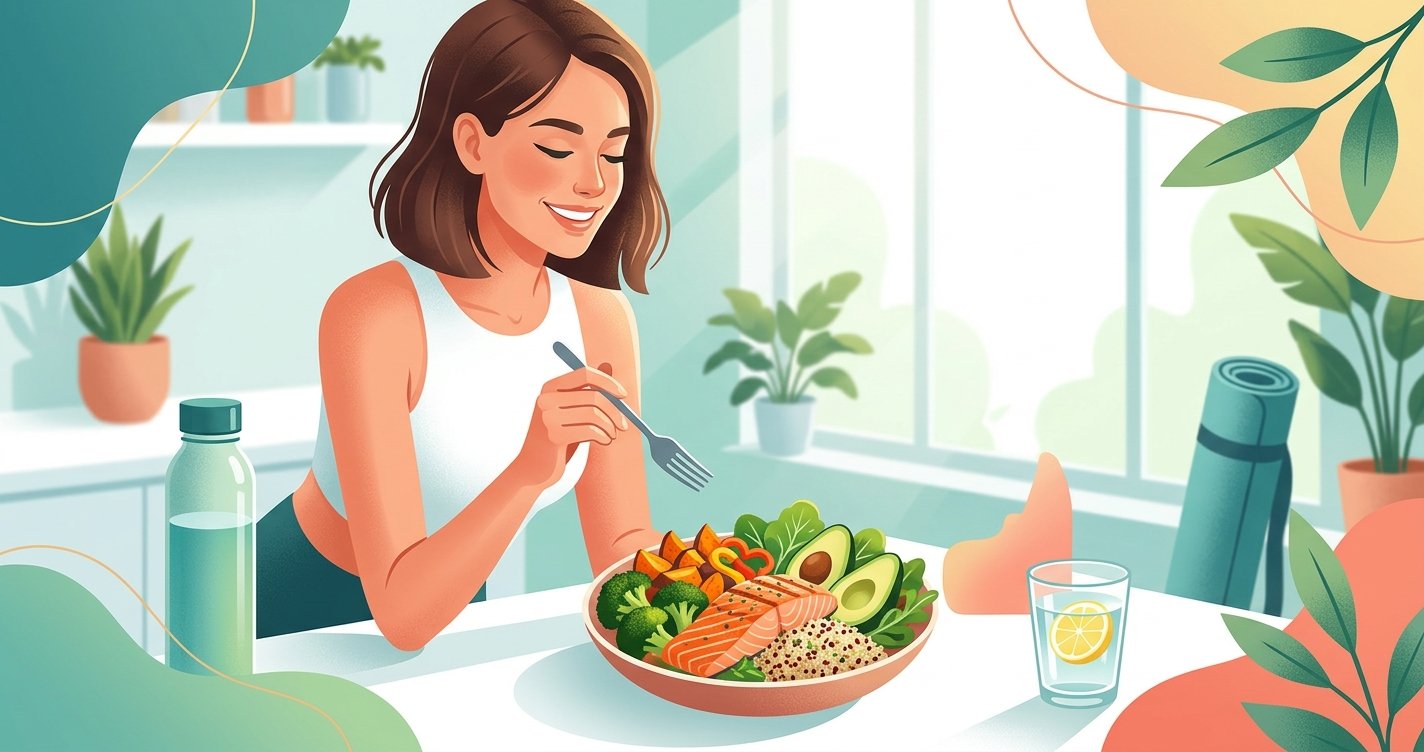
Are you tired of the endless cycle of restrictive diets, quick fixes, and the inevitable rebound? You’re not alone. In a world saturated with promises of rapid weight loss, it’s easy to fall prey to extreme measures that often leave us feeling defeated, deprived, and further away from our goals. But what if there was a better way? A path to fat loss that’s not only effective but also sustainable, enjoyable, and genuinely good for your overall health? Welcome to the world of sustainable fat loss – where consistency beats intensity, and nourishing your body triumphs over punishing it.
This isn’t about a crash diet or a magic pill. It’s about understanding your body, making smart, evidence-based choices, and building habits that support a healthier, happier you for the long haul. Let’s ditch the deprivation mindset and embrace a journey that truly lasts. this excellent wellness product
Why Extreme Diets Are a Recipe for Disaster
Before we dive into what works, let’s briefly explore why those tempting, ultra-restrictive diets almost always fail in the long run. They promise quick results, and often deliver them initially, but at a significant cost to your metabolism, mood, and relationship with food.
The Metabolic Slowdown Trap
When you drastically cut calories, your body, in its ancient wisdom, thinks it’s starving. It adapts by slowing down your metabolism to conserve energy. This means you burn fewer calories at rest. Once you inevitably return to a more normal eating pattern, your now slower metabolism is ill-equipped to handle the increased intake, leading to rapid weight regain, often surpassing your starting point. This is the dreaded 'yo-yo effect'.
The Psychological Toll
Extreme diets are mentally exhausting. They foster an unhealthy obsession with food, leading to constant cravings, guilt, and a feeling of deprivation. This often culminates in binge eating, followed by intense remorse, creating a vicious cycle that is incredibly difficult to break. They can also lead to nutrient deficiencies, mood swings, and a general feeling of misery.
The Foundation: A Gentle, Sustainable Calorie Deficit
At its core, fat loss still comes down to one fundamental principle: consuming fewer calories than your body burns over time. This is known as a calorie deficit. However, the key word here is 'gentle' and 'sustainable'. We’re not talking about drastic cuts that trigger your body’s alarm bells.
How to Estimate Your Needs (Without Obsession)
Instead of meticulously counting every single calorie, think about making modest, consistent adjustments. A deficit of 300-500 calories per day is often enough to promote steady, healthy fat loss (around 1-2 pounds per week) without slowing your metabolism or causing extreme hunger. You can estimate your daily calorie needs using online calculators (search for 'TDEE calculator'), but remember these are just starting points. Listen to your body and adjust as needed. The goal is to feel satisfied, not stuffed, and certainly not starved.
Fuel Your Body Right: Prioritizing Nutrient-Dense Foods
While calories matter, the *source* of those calories is equally, if not more, important. Focusing on whole, unprocessed, nutrient-dense foods will keep you fuller for longer, provide essential vitamins and minerals, and support your metabolism.
The Power of Protein: Your Satiety Superstar
- Keeps you full: Protein is the most satiating macronutrient, meaning it helps you feel full and satisfied, reducing overall calorie intake.
- Preserves muscle: When you’re in a calorie deficit, your body can break down muscle for energy. Adequate protein intake helps protect your precious muscle mass, which is crucial for a healthy metabolism.
- Boosts metabolism: Protein has a higher thermic effect of food (TEF) than carbs or fats, meaning your body burns more calories digesting it.
Aim for a good source of protein at every meal. Think lean meats, poultry, fish, eggs, dairy (Greek yogurt, cottage cheese), legumes, and tofu.
Embrace Fiber: The Gut-Friendly Fat Loss Ally
Fiber-rich foods are another secret weapon for sustainable fat loss. They add bulk to your meals without adding many calories, helping you feel fuller. Fiber also aids digestion, stabilizes blood sugar levels (preventing energy crashes and cravings), and supports a healthy gut microbiome.
Load up on fruits, vegetables, whole grains (oats, quinoa, brown rice), and legumes.
Don't Fear Healthy Fats
Fats are essential for hormone production, nutrient absorption, and overall health. While calorie-dense, healthy fats (like those found in avocados, nuts, seeds, and olive oil) contribute to satiety and can prevent you from feeling deprived. Enjoy them in moderation.
Move Your Body Smart: Exercise for Fat Loss, Not Just Calorie Burn
Exercise isn’t just about burning calories; it’s about building a stronger, more efficient body that's better equipped to lose fat and keep it off. A balanced approach combining strength training and cardiovascular exercise is ideal.
Strength Training: Your Metabolic Multiplier
This is arguably the most underrated component of sustainable fat loss. Building muscle increases your resting metabolic rate (RMR), meaning your body burns more calories even when you’re not exercising. More muscle also gives your body a leaner, more toned appearance.
- Aim for 2-4 strength training sessions per week, focusing on compound movements that work multiple muscle groups (squats, deadlifts, presses, rows).
- You don’t need a gym; bodyweight exercises can be incredibly effective.
Cardio: Find Your Rhythm
Cardiovascular exercise is excellent for heart health, calorie expenditure, and stress reduction. The best cardio is the kind you enjoy and will do consistently. This could be brisk walking, jogging, cycling, swimming, dancing, or hiking.
Mix it up! Incorporate both steady-state cardio (like a long walk) and perhaps some higher-intensity interval training (HIIT) if appropriate for your fitness level, as HIIT can be very time-efficient and boost calorie burn post-workout.
Beyond Food and Exercise: The Unsung Heroes of Fat Loss
Sustainable fat loss is a holistic endeavor. Your lifestyle outside of the kitchen and gym plays a huge role in your success.
Sleep: Your Recovery & Hormone Regulator
Lack of sleep can wreak havoc on your fat loss efforts. It disrupts hormones that regulate hunger (ghrelin) and fullness (leptin), leading to increased cravings and a bigger appetite. It also raises cortisol (the stress hormone), which can promote fat storage, especially around the belly. Aim for 7-9 hours of quality sleep per night.
Stress Management: Taming the Cortisol Beast
Chronic stress keeps cortisol levels elevated, which, like lack of sleep, can hinder fat loss and encourage belly fat storage. Find healthy ways to manage stress: meditation, yoga, spending time in nature, hobbies, or simply deep breathing exercises. Prioritizing mental well-being is just as important as physical health.
Hydration: Simple, Yet Powerful
Drinking enough water is a simple yet powerful tool. Water can help you feel fuller, boost metabolism slightly, and is essential for all bodily functions. Sometimes, what you perceive as hunger is actually thirst. Aim for at least 8 glasses of water a day, more if you’re exercising or in a hot climate.
Mindful Eating: Listening to Your Body
Practice mindful eating by paying attention to your hunger and fullness cues. Eat slowly, savor your food, and put away distractions like phones or TV. This helps you recognize when you’re truly satisfied, preventing overeating.
Consistency, Not Perfection: Your Path to Lasting Change
The biggest secret to sustainable fat loss is consistency. It’s not about being perfect 100% of the time; it’s about showing up most of the time. One 'off' meal or even an 'off' day won't derail your progress. Just get back on track with your next meal or workout.
Set Realistic Goals and Celebrate Small Wins
Focus on building healthy habits rather than just chasing a number on the scale. Celebrate non-scale victories like increased energy, better sleep, clothes fitting better, or improved strength. Set realistic, achievable goals that motivate you without overwhelming you.
Sustainable fat loss isn't a race; it's a journey of self-discovery and self-care. By ditching extreme diets and embracing a balanced approach to nutrition, exercise, and lifestyle, you’re not just losing fat – you’re building a healthier, stronger, and happier you for life. Be patient, be kind to yourself, and trust the process. Your body will thank you for it.