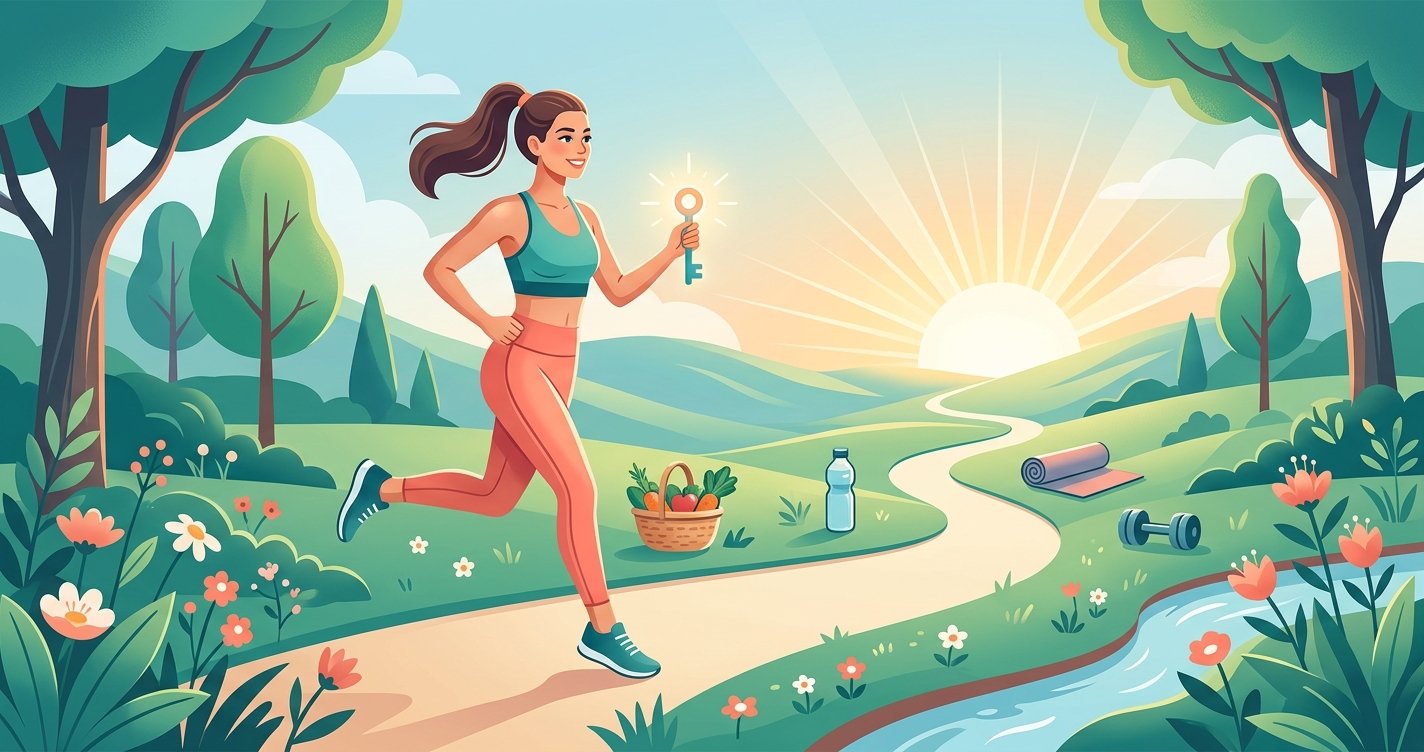
Unlock Sustainable Fat Loss: Ditch the Quick Fixes for Lasting Results
Are you tired of the endless cycle of crash diets, intense workouts that leave you burnt out, and the frustration of seeing the scale yo-yo? You're not alone. In a world saturated with 'lose weight fast' promises, it's easy to fall into the trap of quick fixes that rarely deliver long-term results. But what if there was a better way? A path to fat loss that isn't about deprivation or extreme measures, but about building healthy habits that last a lifetime?
This isn't just about shedding pounds; it's about transforming your relationship with food, exercise, and your body. We're going to dive deep into evidence-based strategies for sustainable fat loss – the kind that not only helps you reach your goals but also improves your overall health and well-being. Get ready to discover how to achieve lasting change, one smart step at a time. this excellent wellness product
Why Quick Fixes Fail: The Trap of Unsustainable Diets
The allure of rapid results is powerful. Juice cleanses, extreme calorie restriction, and fad diets promise a dream body in weeks. While they might deliver initial weight loss, this is often due to water loss and muscle mass, not just fat. The harsh reality is that these approaches are incredibly difficult to maintain and often lead to a rebound effect, where you regain the lost weight (and sometimes more!).
Why? Because they're unsustainable. They create an unhealthy relationship with food, trigger intense cravings, and can even slow down your metabolism in the long run. Our bodies are designed for survival, and drastic calorie cuts signal starvation, prompting your body to hold onto fat and burn fewer calories. It’s a vicious cycle that leaves you feeling defeated. True, lasting fat loss requires a more thoughtful, holistic, and patient approach.
The Foundation: Creating a Smart Calorie Deficit (Without Starvation)
Understanding Energy Balance
At its core, fat loss boils down to a simple principle: you need to consume fewer calories than your body burns. This is called a calorie deficit. However, the key word here is 'smart.' A moderate deficit, typically 300-500 calories below your maintenance level, is far more effective and sustainable than a drastic one. It allows your body to tap into fat stores for energy without triggering extreme hunger or metabolic slowdown.
You can estimate your daily calorie needs using online calculators, but remember these are just starting points. Listen to your body, track your progress, and adjust as needed. The goal isn't to starve yourself, but to provide just enough of a deficit for your body to start utilizing stored fat.
Prioritizing Nutrient-Dense Foods
Not all calories are created equal. While a calorie deficit is fundamental, the *quality* of those calories makes all the difference. Focusing on nutrient-dense foods means choosing foods that provide a high amount of vitamins, minerals, fiber, and protein for relatively few calories. These foods keep you feeling full and satisfied, making a calorie deficit much easier to maintain.
- Lean Proteins: Chicken breast, turkey, fish, eggs, Greek yogurt, tofu, legumes.
- Fiber-Rich Carbohydrates: Whole grains (oats, quinoa, brown rice), fruits, vegetables.
- Healthy Fats: Avocados, nuts, seeds, olive oil.
These foods not only nourish your body but also help regulate blood sugar levels, prevent energy crashes, and curb cravings – all crucial for sustainable fat loss.
Fueling Your Body: The Power of Protein and Fiber
Protein: Your Fat Loss Ally
If there's one macronutrient to prioritize for fat loss, it's protein. Protein is incredibly satiating, meaning it keeps you feeling fuller for longer, which naturally reduces overall calorie intake. Furthermore, it has a higher thermic effect of food (TEF) than carbs or fats, meaning your body burns more calories digesting and metabolizing protein.
Crucially, adequate protein intake helps preserve lean muscle mass during a calorie deficit. Muscle is metabolically active, meaning it burns more calories at rest than fat does. Protecting your muscle ensures your metabolism stays revved up, even as you lose weight.
- Aim for 0.7-1 gram of protein per pound of body weight, spread throughout your meals.
- Good sources include chicken, fish, lean beef, eggs, dairy, lentils, and protein supplements if needed.
Fiber: The Gut-Friendly Helper
Fiber is another unsung hero of fat loss. Found abundantly in fruits, vegetables, whole grains, and legumes, fiber adds bulk to your meals without adding many calories. This bulk helps you feel full and satisfied, reducing the likelihood of overeating.
Beyond satiety, fiber plays a vital role in digestive health, promoting regularity and supporting a healthy gut microbiome. Soluble fiber, in particular, can help slow down the absorption of sugar, leading to more stable blood sugar levels and preventing those dreaded energy crashes that often lead to unhealthy snacking.
- Include plenty of leafy greens, berries, apples, oats, beans, and lentils in your diet.
Moving Your Body: Smart Exercise for Fat Loss and Muscle Preservation
While nutrition is paramount, incorporating smart exercise is a powerful accelerator for fat loss and overall health. It's not just about burning calories in the moment; it's about building a stronger, more efficient body.
Embrace Strength Training
Forget the myth that strength training is just for bodybuilders. For fat loss, it's a game-changer. Lifting weights (or using your body weight) helps build and maintain muscle mass. As discussed, more muscle means a higher resting metabolic rate, so you burn more calories even when you're not exercising.
Strength training also improves body composition, meaning you'll look leaner and more toned even if the scale doesn't move drastically. Aim for 2-4 strength training sessions per week, targeting all major muscle groups. You don't need a gym; bodyweight exercises are incredibly effective!
Incorporate Mindful Cardio
Cardio has its place, but it shouldn't be your sole focus. While it burns calories and improves cardiovascular health, endless hours on the treadmill can be counterproductive if it leads to burnout or excessive hunger. Instead, integrate moderate-intensity cardio (like brisk walking, jogging, cycling, or swimming) for 150-300 minutes per week.
Consider High-Intensity Interval Training (HIIT) for shorter, more intense bursts. HIIT can be very time-efficient and has an 'afterburn effect,' meaning your body continues to burn calories at an elevated rate even after your workout is over.
The Power of NEAT (Non-Exercise Activity Thermogenesis)
Don't underestimate the power of simply moving more throughout your day. NEAT refers to the calories burned from everything you do that isn't formal exercise or sleeping – walking, standing, fidgeting, doing chores. These small movements add up significantly over time.
- Take the stairs instead of the elevator.
- Park further away from your destination.
- Walk during phone calls.
- Stand up and stretch every hour if you have a desk job.
- Engage in active hobbies like gardening or dancing.
Boosting your NEAT is a fantastic, low-effort way to increase your daily calorie expenditure without feeling like you're 'working out' all the time.
Beyond Diet and Exercise: The Lifestyle Pillars of Lasting Fat Loss
Sustainable fat loss isn't just about what you eat and how you move; it's deeply intertwined with your overall lifestyle. Overlooking these crucial elements can sabotage even the most diligent efforts.
Prioritize Quality Sleep
In our always-on world, sleep is often the first thing to get sacrificed. However, poor sleep can wreak havoc on your fat loss efforts. Lack of sleep disrupts hunger-regulating hormones: it increases ghrelin (the hunger hormone) and decreases leptin (the satiety hormone). This means you'll feel hungrier and less satisfied, making you more prone to overeating and craving high-calorie, sugary foods.
Additionally, sleep deprivation elevates cortisol, the stress hormone, which can promote fat storage, particularly around the belly. Aim for 7-9 hours of quality sleep per night. Create a relaxing bedtime routine, keep your bedroom dark and cool, and limit screen time before bed.
Master Stress Management
Chronic stress, like lack of sleep, keeps cortisol levels elevated. Beyond promoting belly fat, high cortisol can increase appetite and cravings for comfort foods, making adherence to a healthy eating plan incredibly difficult. Finding healthy ways to manage stress is paramount for both your mental health and your waistline.
- Practice mindfulness or meditation.
- Engage in hobbies you enjoy.
- Spend time in nature.
- Connect with loved ones.
- Consider journaling or deep breathing exercises.
Identifying and addressing your stressors is a powerful step towards sustainable well-being and fat loss.
Hydration is Key
Often overlooked, adequate water intake plays several important roles in fat loss. Water helps metabolize stored fat, transports nutrients, and regulates body temperature. Sometimes, our bodies confuse thirst with hunger, leading us to eat when all we really need is a glass of water.
Drinking water before meals can also help you feel fuller, potentially reducing your calorie intake. Make sure you're consistently sipping water throughout the day. Keep a water bottle handy as a visual reminder.
Building Habits, Not Restrictions: The Psychology of Sustainable Change
The biggest secret to sustainable fat loss isn't a secret at all: it's consistency. Instead of focusing on extreme restrictions, shift your mindset to building small, positive habits that you can maintain indefinitely. These small wins accumulate over time, leading to significant, lasting change.
Be patient with yourself. Fat loss is rarely linear, and there will be plateaus and setbacks. Don't let perfection be the enemy of progress. If you have an off day or a less-than-ideal meal, simply get back on track with your next choice. Self-compassion is a powerful tool in this journey.
Focus on progress, not perfection. Celebrate small victories – fitting into old clothes, having more energy, lifting heavier weights. These positive reinforcements will fuel your motivation and solidify your commitment to a healthier lifestyle.
Your Journey to Lasting Fat Loss Starts Now
Sustainable fat loss isn't about chasing fleeting trends; it's about embracing a lifestyle that nourishes your body, strengthens your mind, and respects your well-being. By focusing on a smart calorie deficit from nutrient-dense foods, prioritizing protein and fiber, incorporating a mix of strength training and mindful cardio, and optimizing your sleep and stress management, you're building a foundation for success that goes far beyond the scale.
Ditch the quick fixes and embrace the journey of building healthy habits, one consistent step at a time. Be kind to yourself, celebrate every bit of progress, and remember that lasting change is the most rewarding kind. Your healthier, happier self is waiting!