Hey there, health seeker! Are you tired of the endless cycle of restrictive diets, calorie counting that feels like a full-time job, and the frustration of fat loss plateaus? You’re not alone. Many traditional approaches to fat loss leave us feeling hungry, deprived, and ultimately, defeated.
But what if I told you there’s a more empowering, sustainable, and frankly, more delicious way to approach fat loss? A strategy that doesn't just focus on 'eating less' but on 'eating smarter' – specifically by harnessing the incredible power of two often-underestimated nutrients: protein and fiber. These aren't just buzzwords; they're the dynamic duo that can transform your body, boost your energy, and make your fat loss journey genuinely enjoyable and lasting. Let's dive in and discover how! this excellent wellness product
Why Traditional Dieting Often Fails (And What Works Instead)
For decades, the fat loss mantra has been simple: eat less, move more. While calorie deficit is a fundamental principle, simply slashing calories without considering what you're eating can backfire. Highly restrictive diets often lead to:
- Constant Hunger: Feeling ravenous makes adherence incredibly difficult.
- Nutrient Deficiencies: Limiting food groups can deprive your body of essential vitamins and minerals.
- Metabolic Slowdown: Drastically cutting calories can signal your body to conserve energy, making fat loss harder over time.
- Muscle Loss: Without adequate protein, a significant portion of the weight you lose can be precious muscle, which is crucial for a healthy metabolism.
The key to sustainable fat loss lies in shifting your focus from mere calorie restriction to nutrient optimization. By prioritizing foods that promote satiety, preserve muscle, and support overall metabolic health, you can create a caloric deficit naturally, without feeling deprived. This is where protein and fiber shine!
Protein: Your #1 Ally in the Fat Loss Battle
Think of protein as the cornerstone of your fat loss nutrition. It’s not just for bodybuilders; it’s essential for everyone looking to optimize their body composition and feel fantastic.
The Satiety Superstar
Ever notice how a high-protein meal keeps you feeling full much longer than a high-carb snack? That’s protein’s incredible satiating power at work! Research consistently shows that protein is the most filling macronutrient. It impacts several hormones that control hunger and fullness, such as ghrelin (the hunger hormone) and GLP-1 and CCK (which promote satiety). This means fewer cravings, less mindless snacking, and easier adherence to your eating plan.
Muscle Maintenance & Metabolism Boost
When you're in a calorie deficit, your body can sometimes break down muscle tissue for energy. This is detrimental because muscle is metabolically active – it burns more calories at rest than fat does. Adequate protein intake is crucial for preserving lean muscle mass during fat loss, ensuring that your metabolism stays revved up and you lose primarily fat, not muscle. Furthermore, protein has a higher Thermic Effect of Food (TEF) than carbs or fats, meaning your body burns more calories just to digest and process it.
Taming Cravings & Stabilizing Blood Sugar
Protein helps to slow down the absorption of carbohydrates, leading to a more gradual rise and fall in blood sugar. This stability is critical for preventing those energy crashes and intense sugar cravings that often derail fat loss efforts. By keeping blood sugar levels steady, protein helps you maintain consistent energy throughout the day.
How Much Protein Do You Really Need?
For fat loss, general recommendations often suggest aiming for 0.7 to 1 gram of protein per pound of your ideal body weight (or current body weight if you're quite active). For a 150-pound individual, that could mean 105-150 grams per day. Distribute this intake across all your meals and snacks for optimal benefits. Excellent sources include:
- Lean meats (chicken breast, turkey, lean beef)
- Fish (salmon, cod, tuna)
- Eggs
- Dairy (Greek yogurt, cottage cheese)
- Legumes (lentils, beans, chickpeas)
- Tofu and tempeh
- Protein powders (whey, casein, plant-based)
Fiber: The Unsung Hero of Sustainable Fat Loss
While protein gets a lot of the spotlight, fiber is equally vital for a successful and healthy fat loss journey. It's often overlooked, but its benefits are profound and far-reaching.
The Fullness Factor (Again!)
Like protein, fiber contributes significantly to feelings of fullness. Soluble fiber, found in foods like oats, apples, and beans, forms a gel-like substance in your digestive tract, slowing digestion and nutrient absorption. Insoluble fiber, found in whole grains and vegetables, adds bulk to your stool, promoting regularity and helping you feel full. Both types contribute to a satisfied feeling, reducing overall calorie intake naturally.
Gut Health & Fat Loss Connection
A healthy gut microbiome (the community of bacteria in your intestines) plays a surprisingly significant role in fat loss. Fiber acts as a prebiotic, feeding these beneficial gut bacteria. A diverse and healthy gut flora has been linked to improved metabolism, reduced inflammation, and even better weight management. Certain fibers are fermented by gut bacteria into short-chain fatty acids (SCFAs), which have been shown to influence satiety and fat metabolism.
Blood Sugar Balance & Cholesterol Management
Just like protein, fiber helps to moderate blood sugar responses, preventing those sharp spikes and crashes. This is especially true for soluble fiber. Furthermore, soluble fiber can help lower LDL ('bad') cholesterol levels, contributing to overall cardiovascular health – a fantastic bonus for anyone on a health journey!
Daily Fiber Targets & Delicious Sources
Most adults should aim for 25-35 grams of fiber per day, but many fall short. Gradually increase your fiber intake to allow your digestive system to adjust. Wonderful sources include:
- Fruits (berries, apples, pears, oranges)
- Vegetables (broccoli, spinach, carrots, Brussels sprouts)
- Legumes (black beans, kidney beans, lentils)
- Whole grains (oats, quinoa, brown rice, whole wheat bread)
- Nuts and seeds (chia seeds, flax seeds, almonds)
Bringing It All Together: Practical Strategies for Your Plate
Now that you understand the 'why,' let's talk about the 'how.' Implementing these strategies doesn't have to be complicated. Small, consistent changes yield the biggest results.
Prioritize Protein & Fiber at Every Meal
- Breakfast: Swap sugary cereals for Greek yogurt with berries and chia seeds, or scrambled eggs with spinach.
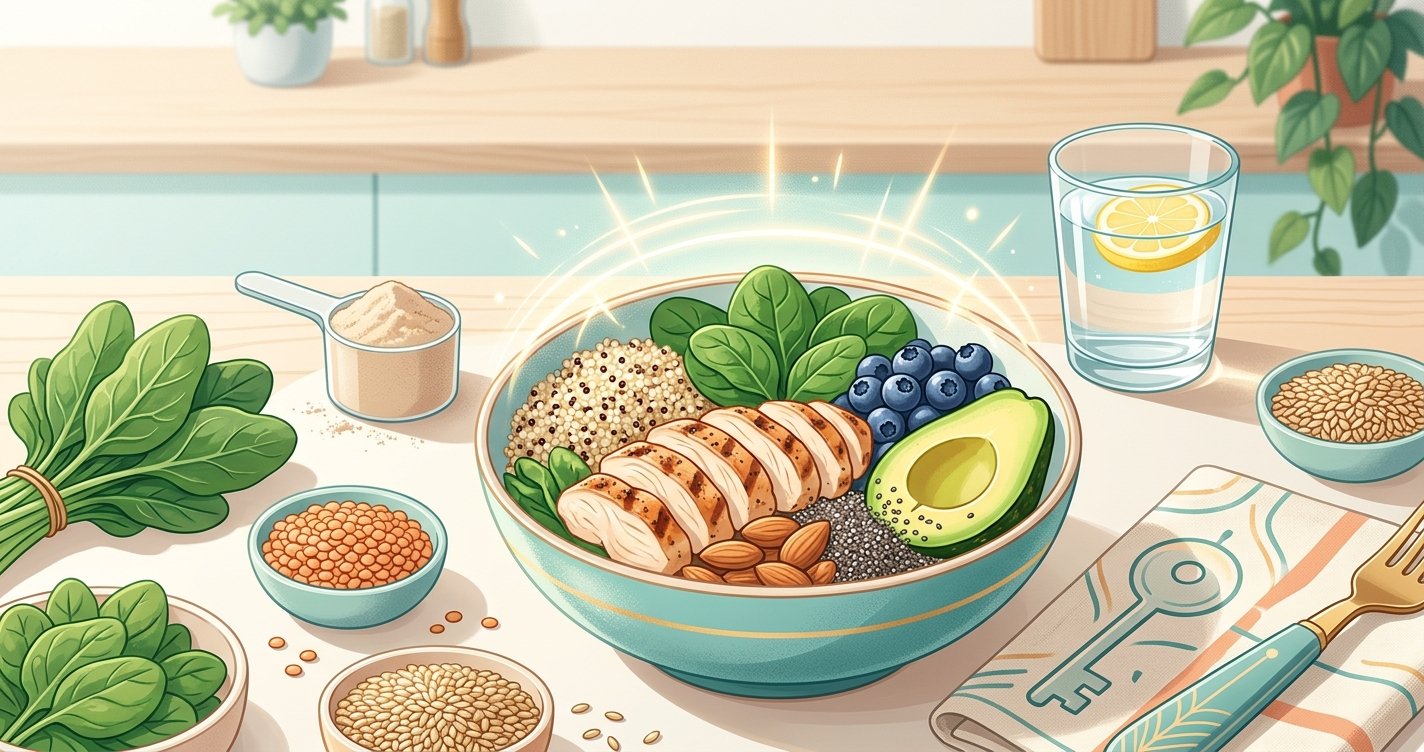
- Lunch: Build your plate around a lean protein source (chicken, fish, beans) and a generous serving of colorful vegetables and a small portion of whole grains.
- Dinner: Aim for a balanced meal with protein, plenty of non-starchy vegetables, and a complex carbohydrate source like quinoa or sweet potato.
- Snacks: Opt for high-protein, high-fiber options like an apple with nut butter, a handful of almonds, or cottage cheese with vegetable sticks.
Embrace Whole, Unprocessed Foods
The best sources of protein and fiber come from whole, minimally processed foods. Focus on filling your plate with real food rather than items from a box or a drive-thru. This approach naturally increases your nutrient density and reduces your intake of added sugars, unhealthy fats, and refined carbohydrates.
Hydration & Mindful Eating
Don't forget the basics! Drinking plenty of water is essential for fiber to work effectively and can help with satiety. Practice mindful eating – slowing down, savoring your food, and listening to your body's hunger and fullness cues – to enhance the benefits of your nutrient-rich meals.
Beyond the Plate: Lifestyle Factors That Support Your Journey
While nutrition is paramount, remember that fat loss is a holistic journey. Don't underestimate the power of:
- Adequate Sleep: Poor sleep can disrupt hunger hormones and increase cravings.
- Stress Management: Chronic stress can lead to increased cortisol levels, potentially hindering fat loss.
- Regular Movement: Incorporate both strength training (to build and preserve muscle) and cardiovascular exercise (for calorie expenditure and heart health).
Your Sustainable Fat Loss Journey Starts Now!
You have the power to transform your body and your relationship with food by focusing on smart, evidence-based nutrition. By making protein and fiber the stars of your plate, you’ll not only achieve your fat loss goals but also enjoy sustained energy, better digestion, and an overall healthier, happier you. It’s not about perfection, but about progress. Start small, be consistent, and celebrate every step of your journey. You've got this!